
Planting
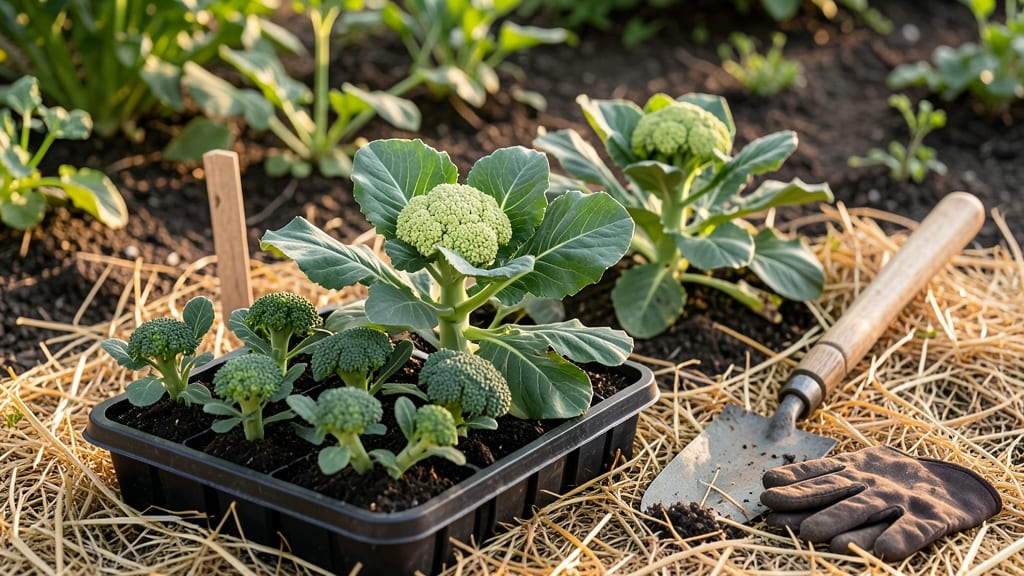
Planting a fall garden in North Carolina means starting your seeds or transplants 8–12 weeks before your first frost, so timing is the key to beating the heat and frost.
North Carolina’s extended growing season offers a second chance to plant a thriving fall garden—but timing is everything. Plant too early, and your crops will bolt in the heat; too late, and frost will ruin your harvest.
Whether you’re in the Piedmont’s Zone 7 or the Mountains’ Zone 6, the right window ensures heat-tolerant crops like collards, kale, and sweet potatoes mature before the first frost—usually late October to early November.
Below, I’ll break down exact planting dates by zone, the best crops for NC’s fall transition, and how to protect your garden from unpredictable weather spikes.
NC fall planting timeline by hardiness Zone: exact dates for heat-tolerant crops
North Carolina's fall planting season begins when summer heat subsides, typically in late July through August, depending on your USDA hardiness zone. For Zones 6-8, this means timing your heat-tolerant crops carefully to avoid bolting while maximizing growth before the first frost.
My Raleigh garden (Zone 7b) often starts with okra and sweet potatoes in late July, while Asheville's cooler climate (Zone 7a) waits until early August.
Your planting window is short—just 6-8 weeks before average first frost dates. In Charlotte (Zone 8a), expect frost around November 15, while Asheville (Zone 7a) sees frost by October 20. Use this fall planting timeline to align your crops with local microclimates and avoid wasted effort.
Soil preparation is your first critical step. Test your soil's pH (6.0-7.0 ideal) and amend with compost or aged manure 2-3 weeks before planting. Warm-season crops like collards and black-eyed peas thrive in 65-85°F soil, so wait until nighttime temps drop below 90°F before sowing seeds or transplanting.
For transplanting seedlings, wait until your nighttime temperatures consistently stay above 50°F. In Zone 6, this often means mid-August, while Zone 8 can start as early as late July. Use shade cloth if daytime temps exceed 90°F to protect young plants from heat stress.
Mulch your beds with straw or wood chips (2-3 inches deep) to retain moisture and regulate soil temperature. This is especially critical for okra and sweet potatoes, which need consistent moisture but hate soggy roots.
My Asheville garden uses black plastic mulch for early-season warmth, then switches to organic mulch as temps drop.
Succession planting extends your harvest window. For example, sow turnips every 2 weeks from August through September to ensure a steady supply. In Charlotte's Zone 8a
Best heat-tolerant fall garden vegetables for NC: what to plant and when to avoid bolting
North Carolina’s fall transition can be tricky—summer heat lingers while cooler nights arrive. The key to a successful harvest? Choosing heat-tolerant vegetables that thrive in these shifting conditions.
These varieties won’t bolt prematurely, giving you time to enjoy fresh produce well into October and November. Let’s explore the best options and their ideal planting windows.
I’ve tested these crops in my own Zone 7b garden in Raleigh, and they consistently deliver. Malabar spinach, cowpeas, and black-eyed peas top the list for their ability to handle late-summer heat while still producing before frost.
But timing is everything—plant too early, and you’ll trigger bolting; too late, and frost will cut your harvest short.
- 🌡️ 1. Start seeds indoors by mid-July for heat-tolerant greens like Malabar spinach and cowpeas.
- 🌱 2. Transplant seedlings outdoors late July to early August when soil temps drop below 85°F.
- 🌿 3. Direct-sow heat lovers like black-eyed peas and sweet potatoes mid-August.
- 🌡️ 4. Use shade cloth (30-50%) if temps exceed 90°F to prevent bolting.
- 🍂 5. Mulch heavily with straw to maintain even soil moisture and extend harvests.
One of my favorite heat-tolerant greens is Malabar spinach, which handles 90°F+ temperatures without bolting. Plant seeds late July to early August for a harvest that lasts until first frost.
Pair it with cowpeas, which fix nitrogen in the soil while producing edible pods. These legumes thrive when sown mid-August and can even overwinter in Zone 7.
For root crops, sweet potatoes and carrots (like the 'Danvers' variety) are excellent choices. Start slips indoors in early July and transplant late July for a harvest in October-November.
Avoid bolting by keeping soil consistently moist and using shade cloth during heatwaves. I’ve found that drip irrigation works best for these crops.
Don’t overlook heat-tolerant brassicas like 'Southern Comfort' kale and 'Windy City' collards. These varieties handle late-summer heat better than traditional types and can be planted late July to early August.
They’ll sweeten with frost, making them perfect for fall harvests. Just be sure to harden off seedlings gradually to avoid transplant shock.
Common mistakes that cause premature bolting include overwatering, poor soil drainage, and planting too early. I once lost a batch of turnips because I planted them in June—by August, they’d all bolted!
Stick to the late July to mid-August window for most heat-tolerant crops, and always use well-draining soil amended with compost. A 2-3 inch mulch layer will also help regulate soil temperature.
With these heat-tolerant varieties and proper timing, you’ll enjoy a bountiful fall harvest even as NC’s temperatures dip. Start with Malabar spinach, cowpeas, and sweet potatoes, then expand to kale and collards for a diverse garden. Happy planting—your fall table will thank you! 🍂