
Planting
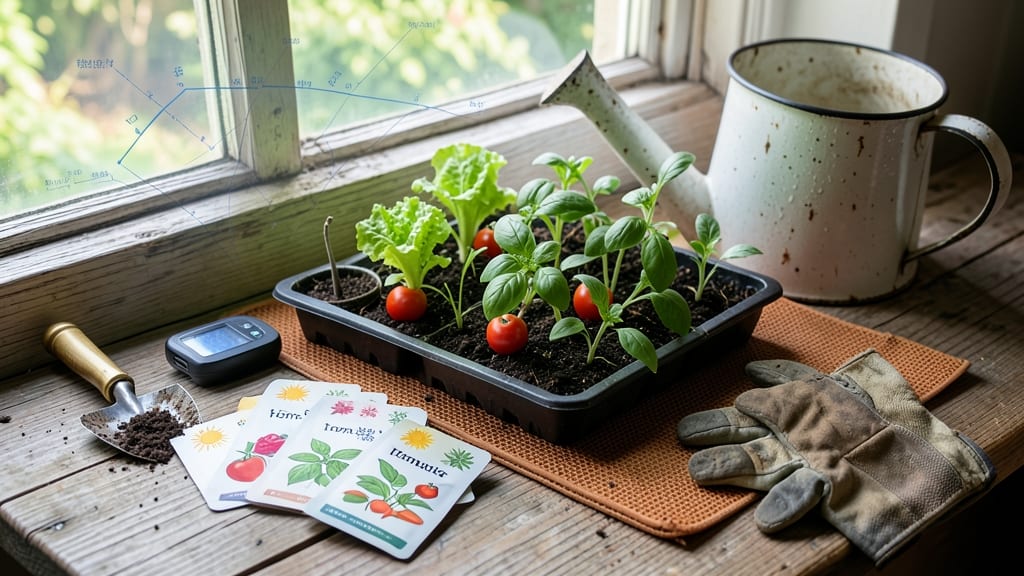
Planting seeds in your garden at the right time means the difference between a bountiful harvest and wasted effort—so why leave it to chance?
Picture this: you’ve spent hours preparing your soil, picking the perfect seeds, and dreaming of that lush, thriving garden. But if you plant too early, a late frost wipes out your seedlings.
Too late, and your warm-season crops bolt before they even set fruit. The key? Timing it down to the week, using your last frost date as your guide.
In Zone 6a, where I garden, the last frost typically lands around April 15, but that’s just the starting point. Cool-season crops like spinach or peas need to go in 4-6 weeks before, while tomatoes and peppers wait until after that date.
This guide breaks down the exact windows for every type of seed—and how to adjust for row covers, cold frames, or even microclimates that mess with the rules.
You’ll learn how to calculate your precise frost dates, which crops to plant when for maximum yield, and the 3 pro tips that let you stretch your season by weeks—no guesswork, just science-backed timing.
How to calculate your last frost date for seed planting
Timing your seed planting perfectly can mean the difference between a thriving garden and wasted effort. The last frost date is your garden's golden rule—it determines when to plant warm-season crops like tomatoes and when to start cool-season crops like lettuce.
Without knowing this date, you risk planting too early (and losing seedlings to frost) or too late (and missing the growing season).
Fortunately, calculating your last frost date is easier than ever with USDA zone maps, local weather data, and online frost calculators. Even better, you can adjust these dates for your garden's microclimates—those unique pockets of warmth or cold in your yard.
Let's break down the process step by step so you can plant with confidence.
Why frost dates matter: They signal when soil temperatures rise enough for seeds to germinate and young plants to thrive. For example, tomatoes need warm soil (above 50°F), while peas can handle cooler conditions (40°F). Planting at the right time ensures your garden gets a head start.
| USDA Zone | Avg Last Frost Date | Safe Planting Window After | Key Adjustments |
|---|---|---|---|
| Zone 3-4 | Mid-May | 2-3 weeks after | Add 1-2 weeks in cold pockets (e.g., valleys) |
| Zone 5-6 | Early May | 1-2 weeks after | Subtract 1 week in urban heat islands |
| Zone 7-8 | Mid-April | 1 week after | Extend by 10 days for coastal areas |
| Zone 9-10 | Mid-March | Immediate planting | Monitor for late frosts (rare but possible) |
First, find your USDA hardiness zone using the USDA Plant Hardiness Zone Map. This map divides the U.S. into 13 zones based on average annual minimum temperatures.
For example, if you're in Zone 6a, your last frost date is typically around April 15, but this can vary by 5-10 days depending on your location.
Next, use a frost date calculator like the one from the Old Farmer's Almanac or your local cooperative extension service. These tools ask for your zip code or city and provide a 30-year average for your last frost date.
For instance, in Zone 7b, the calculator might show a last frost date of April 1, but your actual date could be March 28 or April 10 depending on weather patterns.
Don’t rely solely on averages—check your local weather records for the past 5 years. Websites like NOAA offer historical frost data. If your area has experienced late frosts in recent years, add a 1-2 week buffer to your planting schedule.
For example, if the average last frost is May 1 but you’ve had frosts in early June, wait until May 15 to plant heat-loving crops like peppers.
Microclimates can shift your frost dates by 1-3 weeks, so observe your garden’s unique conditions. A south-facing slope warms up faster than a north-facing valley, while a paved driveway creates a heat island that delays frost.
Use these observations to adjust your planting timeline. For example, if your garden bed near the house stays 5°F warmer than the rest of your yard, you can plant warm-season crops 1 week earlier there.
For cool-season crops like spinach or kale, plant 4-6 weeks before your last frost date to ensure they mature before summer heat sets in. For warm-season crops like tomatoes or cucumbers, wait until 2 weeks after your last frost date to avoid frost damage.
If you’re unsure, start seeds indoors 6-8 weeks before your last frost date and transplant seedlings after the danger of frost has passed.
Pro tip: Use row covers or cold frames to extend your planting window. These tools can push your last frost date back by 2-4 weeks, giving you more time to grow cool-season crops in early spring or warm-season crops in fall.
Just input these adjustments into your frost calculator to refine your planting schedule.
Remember, even the most precise frost date is just a guideline. Keep a gardening journal to track your local frost patterns and adjust your planting schedule each year. With practice, you’ll develop an intuitive sense of when to plant seeds in your garden—no calculator needed! 🌱
Best planting times for common vegetables by frost sensitivity
Understanding your local frost dates transforms seed planting from a guessing game into a precise science. Cool-season crops like lettuce and peas thrive when sown weeks before the last frost, while tomatoes and peppers need warm soil to germinate.
Even herbs have ideal windows—cilantro, for example, bolts in heat but survives light frosts. Let's break down the exact timing for each category so you can input these directly into frost calculators for foolproof results.
Most gardeners rely on USDA zone maps to estimate frost dates, but microclimates—like urban heat islands or sheltered valleys—can shift these by weeks. For instance, a Zone 5 garden might see its last frost in early May, but a nearby hilltop could delay it until mid-May.
Always check your local weather averages and adjust by 1-2 weeks if your yard fits a microclimate exception. This precision ensures your cool-season crops mature before summer heat, while warm-season plants get a head start on their growing season.
Cool-Season Crops (Plant 4-6 Weeks Before Last Frost)
Examples: Spinach, kale, radishes, peas, broccoli, cabbage
Calculator Input: Select "Cool Season" in tools like Johnny's Selected Seeds Frost Calculator or Burpee Planting Guide
Warm-Season Crops (Plant After Last Frost)
Examples: Tomatoes, cucumbers, basil, peppers, eggplant, beans
Calculator Input: Use "Warm Season" setting + add 2-week buffer for soil warmth (aim for 60°F+)
Frost-Tolerant Herbs (Plant 2-3 Weeks Before Last Frost)
Examples: Cilantro, parsley, chives, dill, mint
Calculator Input: Select "Herb" category in specialized tools like Old Farmer's Almanac Planting Calendar
For cool-season crops, the key is early planting—typically 4-6 weeks before your last frost date. This gives seedlings time to establish roots before summer heat arrives. For example, if your last frost is April 15, plant spinach or kale around March 1-15.
Use a frost calculator to input your zone and get exact dates, then adjust by 1-2 weeks if your yard is colder (e.g., near a lake) or warmer (e.g., urban pavement).
Pro tip: Peas and radishes can handle light frosts, so don’t rush them—plant them 2-3 weeks before your cool-season window for an earlier harvest.
Warm-season crops like tomatoes and peppers are frost-intolerant, so wait until after your last frost to plant them. However, soil temperature matters more than air temperature—these plants need 60°F+ soil to germinate. Use a soil thermometer to confirm warmth before sowing.
If your frost date is April 15, hold off until mid-to-late May in cooler zones (e.g., Zone 5). In warmer zones (Zone 8+), you might plant tomatoes as early as March, but always check for late frosts.
For extra safety, start warm-season seeds indoors 6-8 weeks before your last frost.
Frost-tolerant herbs like parsley and chives bridge the gap between cool and warm seasons. Plant them 2-3 weeks before your last frost for a head start, but avoid sowing too early—herbs like cilantro bolt (go to seed) in heat.
If you live in Zone 6 with a May 1 frost date, plant cilantro around April 1-15 for a spring harvest, then resow in late summer for a fall crop. Always input your herb category into frost calculators to avoid bolting or frost damage.
For basil, wait until soil is warm (70°F+) and plant after your last frost—it’s not frost-tolerant at all.
Remember: Frost dates are averages, not guarantees. Use row covers or cold frames to extend your planting window for cool-season crops, or harden off warm-season seedlings gradually if planting early.
Most frost calculators let you input these adjustments—simply add 2 weeks to your frost date if using row covers, or shift to a warmer USDA zone if using cold frames. With these timelines and tools, you’ll never plant too early or too late again.