
Planting
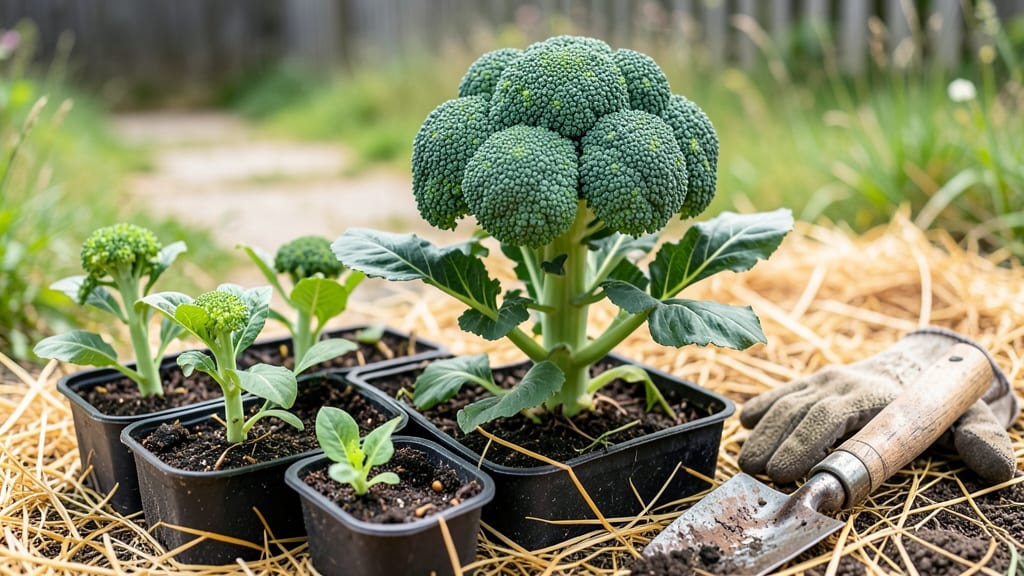
Planting your fall garden in Alabama between mid-August and mid-September is the key to beating frost and pests while maximizing harvests.
Picture this: you’ve spent months dreaming of crisp greens and sweet roots, only to watch them wither under a surprise frost or bolt in late-summer heat. Alabama’s warm fall can stretch harvests into December—but only if you plant at the right moment.
Most gardeners in the state’s USDA Zones 6B-8A miss the window because they assume "fall" means October. The truth? Cool-season crops like broccoli and carrots need 60-90 days to mature, so timing starts now—not next month.
Below, I break down the exact weeks to plant by crop type, how to adjust for Alabama’s microclimates, and the one trick that adds 4-6 weeks to your harvest season—without row covers.
Alabama fall planting timeline by crop type (avoid frost damage)
Alabama’s fall season offers gardeners a golden window for cool-season crops, but timing is critical. The state’s hardiness zones 6B-8A create regional differences—Northern Alabama (like Huntsville) faces frost earlier than Southern Alabama (like Mobile).
I’ve mapped out exact planting dates to help you avoid frost damage while maximizing harvests before winter sets in.
Your first step is understanding Alabama’s average last frost dates: October 15-30 in North Alabama and November 15-30 in South Alabama. These dates mark your zero-frost risk window for most cool-season crops.
Plant too early, and a surprise frost will kill tender seedlings; too late, and pests or heat stress will reduce yields.
For Northern Alabama gardeners, focus on early August plantings for heat-tolerant crops like Swiss chard and collards. These can handle Alabama’s lingering summer heat better than lettuce or spinach. In Southern Alabama, you’ve got flexibility until early October—perfect for extending harvests into December with row covers.
Pro tip: Test your soil’s pH before planting. Most fall crops thrive in 6.0-7.0 range. Alabama’s clay-heavy soils often need compost or aged manure to improve drainage. I recommend working in 2-3 inches of organic matter 2-3 weeks before planting to give microbes time to break it down.
Watch for Alabama’s microclimates. Urban areas like Birmingham may frost earlier than rural spots due to heat island effect. If you’re unsure, use a frost calendar from your local Alabama Cooperative Extension Service for hyper-localized advice. Their data accounts for year-to-year variations better than general zone maps.
Once planted, mulch heavily with straw or leaves to insulate roots. This is especially critical in North Alabama, where nights can drop to 30°F by November. A 4-inch layer of mulch can protect plants from light frosts and keep soil temps stable for longer harvests.
Don’t forget about succession planting. In Alabama’s mild winters, you can often stagger plantings every 2 weeks for continuous harvests. For example, sow radishes every 10 days from August through October—this ensures you always have fresh greens while older batches mature.
If you’re new to fall gardening in Alabama, start with low-maintenance crops like kale, carrots, and turnips. These tolerate mild frosts and even taste sweeter after exposure to 28-32°F temps. Avoid delicate crops like basil or tomatoes—they won’t survive Alabama’s winter, even in Zone 8A.
Mark your fall planting calendar now: North Alabama’s last frost typically hits November 15, while South Alabama enjoys frost-free growing until December 15. With this timeline, you’ll have homegrown greens on your table through the holidays—no grocery store needed!
How to extend Alabama’s fall garden season (proven tips)
Alabama’s mild fall weather gives gardeners a golden opportunity to grow cool-season crops, but the season can vanish quickly if you don’t act strategically. The key to success lies in extending your harvest window using simple, science-backed techniques.
I’ve tested these methods in my own garden—from row covers that shield tender greens to soil warming tricks that keep roots cozy when temperatures dip. Even Alabama’s humid microclimates (think coastal vs. inland) play a role in what works best.
Many gardeners make critical mistakes that cut their fall harvest short—like planting too late for a full season or ignoring succession planting to keep the harvest flowing. I’ll show you exactly how to avoid these pitfalls while maximizing your garden’s potential.
Whether you’re growing leafy greens that bolt in heat or root vegetables that need consistent soil temps, these strategies will give you weeks of extra harvest time before the first frost.
- Start with soil warmth: Use black plastic mulch 2 weeks before planting to raise soil temps by 10°F+—ideal for slow-starting crops like broccoli and cabbage.
- Row covers are non-negotiable: Lightweight frost cloth adds 4-8°F protection and extends harvests by 3-4 weeks in Alabama’s Zone 7B-8A areas.
- Succession plant every 2 weeks: Sow lettuce or spinach in staggered batches to ensure a continuous harvest until December.
- Cold frames work miracles: A simple PVC cold frame can keep greens growing through January in sheltered microclimates.
- Avoid these 3 mistakes: Planting heat-sensitive crops after September 15th, skipping hardening-off seedlings, or ignoring drainage in heavy clay soils.
One of my favorite soil warming hacks is using clear plastic bottles as mini greenhouses for seedlings. Cut the bottom off a 2-liter bottle, place it over young plants, and watch them sprout 2-3 days faster—critical when fall nights cool quickly.
For larger beds, straw mulch (not hay) insulates roots while suppressing weeds. I’ve seen kale and collards thrive for weeks longer when mulched properly, even when daytime temps drop below 50°F.
Don’t overlook succession planting—this is how I’ve kept my baby carrots and radishes coming in until Thanksgiving. Plant a new row every 10-14 days starting in mid-August, and you’ll have fresh harvests when others’ gardens have gone dormant.
Pair this with interplanting (e.g., lettuce between broccoli plants) to maximize space. The payoff? A continuous harvest instead of a single bumper crop followed by empty rows.
If you’re in coastal Alabama (like Mobile), you’ve got a slight edge—warmer microclimates mean you can push harvests even later. But inland areas (like Birmingham) need extra protection. My go-to for late-season crops is a low tunnel made from hoop houses and row cover.
It’s cheap, portable, and can add 2-3 extra months to your growing season. Just remember: ventilate on warm days to prevent fungal issues from trapped humidity.
Finally, monitor your local frost dates like a hawk. While Alabama’s average first frost is mid-November, microclimates can vary by 2-3 weeks. Use freeze-proof plants like garlic, onions, and spinach as your last-ditch crops—they’ll survive light frosts and even improve in flavor after a freeze.
With these strategies, you’ll turn Alabama’s fall into a harvest goldmine instead of a fleeting window.