
Planting
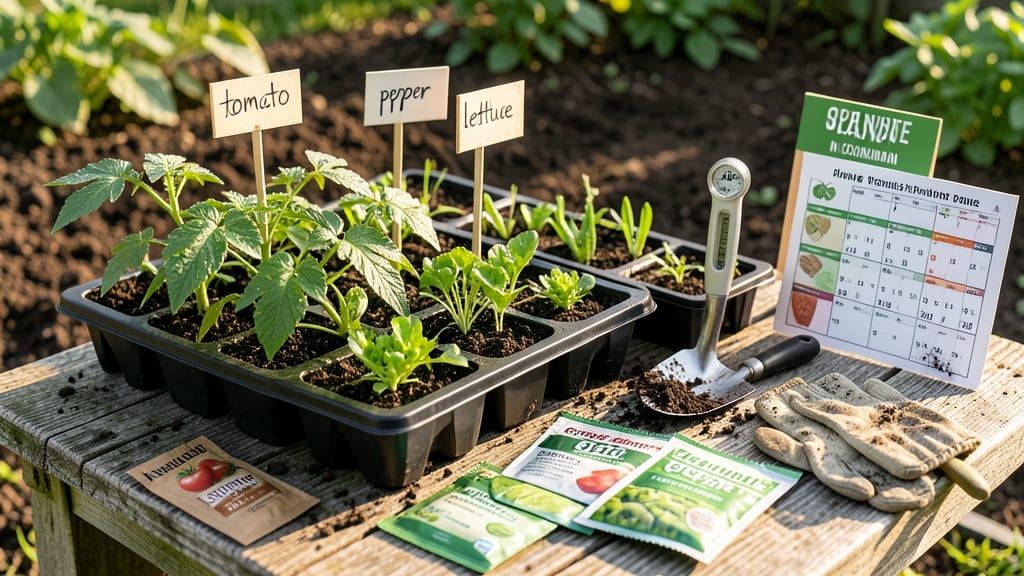
To plant a vegetable garden in Oklahoma, time your seeds and transplants with the last frost date—typically mid-March to early April in most zones, but earlier in southern Oklahoma.
Oklahoma’s unpredictable weather can make or break your vegetable garden—plant too early and risk frost, too late and miss peak harvests. But with the right frost-free planting calendar tailored to Oklahoma’s unique zones, you can grow a thriving garden year-round.
Whether you’re planting cool-season crops like leafy greens in early spring or warm-season favorites like tomatoes in late spring, the key is knowing your local frost dates and soil temperatures.
Urban gardeners in Oklahoma City face different challenges than those in rural western Oklahoma, where desert microclimates can extend growing seasons.
Below, I break down the best planting windows by month, soil prep tips, and how to adjust for your specific zone—so you can enjoy a bountiful harvest from spring through fall.
Oklahoma planting zones & frost dates: when to start seeds indoors vs. direct sowing
Oklahoma spans USDA Hardiness Zones 6b through 8a, creating dramatic differences in frost dates from the panhandle to the southeast. In Zone 6b (northwest), average last frost dates arrive around April 15, while Zone 8a (southeast) sees frost-free conditions by March 1.
These variations mean your planting timeline depends heavily on where you live within the state.
Understanding these frost-free windows is critical because warm-season crops like tomatoes and peppers can't tolerate frost, while cool-season greens like spinach and lettuce thrive in cooler temperatures. I'll break down when to start seeds indoors versus direct-sowing outdoors for each Oklahoma zone.
Pro Tip: Use a frost date calculator for your specific city—Oklahoma's microclimates can shift frost dates by 2-3 weeks even between neighboring towns. For example, Oklahoma City (Zone 7a) averages last frost on April 5, while Tulsa (Zone 7b) typically sees frost-free conditions by March 25.
For warm-season vegetables like tomatoes, peppers, and squash, I recommend starting seeds indoors 4-6 weeks before your last frost date. In Zone 7a, that means beginning tomato seeds around February 15—they'll be ready to transplant by April 15, just as the soil warms.
Direct-sowing cool-season crops like lettuce, spinach, and peas can begin as early as February in southern Oklahoma (Zone 8a) or wait until March in northern zones. These hardy greens tolerate light frosts, but avoid planting after mid-August if you want fall harvests before first frost.
One common mistake I see is overestimating soil warmth. Even if your last frost passed, soil temperatures below 60°F will stunt warm-season crops. Use a soil thermometer to confirm—tomatoes and peppers need soil at 70°F+ to thrive.
In Zone 6b, where frosts linger later, I often recommend staggered planting for warm crops. Start a second batch of beans or cucumbers in early June to extend harvests before fall frosts arrive. This succession planting strategy works wonders for continuous yields.
Remember that microclimates matter. A south-facing slope in Zone 7a might warm up 2 weeks earlier than a low-lying area. Observe your garden's unique conditions for 2-3 years to refine your planting schedule—this local knowledge beats generic zone guidelines every time.
For fall planting, aim to sow cool-season crops 90 days before your first frost. In Zone 8a, that means starting kale or broccoli by July 15, while Zone 6b gardeners should begin by August 1.
🌱
Best vegetables to plant by month in Oklahoma: month-by-month planting schedule
Oklahoma’s diverse climate—from the cooler northern regions to the warmer southern areas—means your planting schedule should adapt to local microclimates. Whether you're in USDA Zone 6b or Zone 8a, timing is everything.
Below is a month-by-month guide to help you maximize your harvest potential with the right crops at the right time.
For northern Oklahoma, aim to start cool-season crops like spinach and kale in early spring, while southern Oklahoma gardeners can extend planting into late fall. Succession planting is key for continuous yields—think beans every 2 weeks or lettuce every 3 weeks.
Adjust based on your last frost date (typically late March to early April in most areas).
🌱 Numbered Highlights: Oklahoma Planting Schedule by Month
- March-April: Start cool-season crops like onions, carrots, and peas. Transplant broccoli and cabbage after last frost.
- May: Plant warm-season veggies like tomatoes, peppers, and squash. Begin succession planting of lettuce and radishes.
- June-July: Sow beans, cucumbers, and corn. Harvest early spring crops like spinach before heat sets in.
- August: Plant fall crops like kale, collards, and turnips. Start cool-season seeds indoors for late fall.
- September-October: Direct-sow carrots, beets, and garlic. Extend tomato and pepper harvests with row covers.
- November: Focus on hardy greens like spinach and mustard greens. Mulch to protect winter crops from frost.
🌿 Note: Southern Oklahoma can plant 1-2 months later than northern regions for most crops.
In northern Oklahoma, where frosts linger longer, prioritize early spring plantings of potatoes and radishes in March. Use row covers to extend the season for lettuce and spinach into early summer.
For southern Oklahoma, where heat arrives earlier, start tomatoes and peppers in April and transition to fall crops by August.
Don’t overlook succession planting—it’s the secret to a non-stop harvest. For example, plant beans every 2 weeks from May to July, or lettuce every 3 weeks from April to September.
This ensures you’re always picking fresh produce. Herbs like basil and cilantro thrive in Oklahoma’s heat but benefit from afternoon shade in peak summer.
Adjust for urban vs. rural gardens: Urban areas may experience heat islands, so monitor soil temperature closely. Rural gardens often have more consistent moisture, making them ideal for drought-tolerant crops like okra and sweet potatoes.
Always test your soil’s pH and nutrients before planting—Oklahoma’s clay-heavy soils often need compost or lime for optimal growth.
Plan ahead for fall and winter harvests by sowing garlic in October or overwintering onions. These crops reward patience with early spring harvests. With this schedule, you’ll enjoy fresh veggies from April to November, even in Oklahoma’s variable climate. Happy planting! 🌱