
Planting
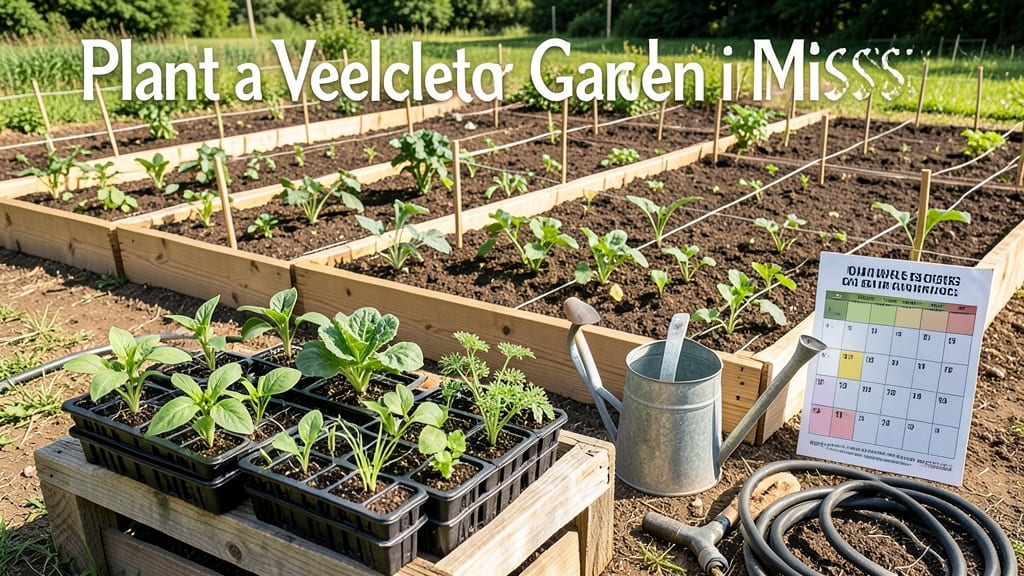
Planting a vegetable garden in Mississippi at the right time means the difference between a bountiful harvest and a sad, wilted mess by June.
Mississippi’s Zone 8A climate lets you grow year-round, but frost dates and soil warmth are the real gatekeepers. Get it wrong, and you’ll watch your seedlings turn to mush before they even sprout—or worse, have your tomatoes bolt to seed before they ripen.
Here’s the game-changer: zero-frost-risk planting windows for your top crops, plus how to stretch those deadlines with simple tricks like row covers and succession planting. No more guessing—just science-backed timing for a garden that actually produces.
From late February through early April (spring) and August to September (fall), I’ll walk you through the exact months to plant everything from leafy greens to heat-loving peppers, plus how to handle Mississippi’s tricky microclimates.
Mississippi zone 8A planting calendar: best months for zero-frost vegetables
Mississippi’s Zone 8A climate gives gardeners a 220-260 frost-free day advantage, but even here, timing matters for maximizing yields. North Mississippi’s last frost date typically falls around February 15, while southern regions like Jackson or Gulf Coast may see frost-free conditions as early as January 15.
This extended window lets you grow zero-frost-risk crops like tomatoes and peppers year-round with proper planning.
For heat-loving vegetables, aim to plant after soil temperatures reach 60°F+—usually by mid-March in most areas. Meanwhile, cool-season crops like lettuce and broccoli thrive when nights stay 55°F or cooler, making fall planting (August-September) ideal.
Let’s break down the month-by-month planting calendar to help you time your garden perfectly.
🌱 PRO TIP: Use a soil thermometer to confirm readiness—warm-season crops won’t germinate below 60°F, while cool-season crops may bolt in 75°F+ heat. Adjust your schedule based on your specific microclimate.
| Month | Heat-Loving Crops (Plant After Last Frost) | Cool-Season Crops (Plant Before Heat Sets In) | Soil Temp Requirement | Notes | ||||||||||||||||||||||||
|---|---|---|---|---|---|---|---|---|---|---|---|---|---|---|---|---|---|---|---|---|---|---|---|---|---|---|---|---|
| January | - | Spinach, Kale, Lettuce (South MS only) | 50-60°F | Use row covers for frost protection | ||||||||||||||||||||||||
| February | - (North MS) / Okra (South MS) | Broccoli, Cabbage, Peas | 55-65°F | Start seeds indoors for early spring | ||||||||||||||||||||||||
| March | Tomatoes, Peppers, Eggplant, Okra | Lettuce, Spinach, Radishes | 60-70°F | Plant after last frost date (varies by region) | ||||||||||||||||||||||||
| April | Sweet Potatoes, Corn, Cucumbers | - (Too hot for cool crops) | 65-75°F | Succession plant beans and squash | ||||||||||||||||||||||||
| May | Okra, Southern Peas, Melons | - | 70-80°F | Mulch to retain moisture | ||||||||||||||||||||||||
| June-July | All heat-loving crops (extend season) | - | 75-85°F | Provide afternoon shade for tender plants | ||||||||||||||||||||||||
| August | Okra, Sweet Potatoes, Collard Greens | Broccoli, Cabbage, Lettuce (shade-cloth) | 6
How to extend your Mississippi growing season without frost damageMississippi’s Zone 8A climate offers gardeners a unique advantage—longer frost-free seasons—but early and late frosts can still threaten tender crops. The key to maximizing yields lies in extending your growing season with smart techniques like row covers and succession planting. By pushing boundaries, you can enjoy fresh produce 3-4 weeks earlier in spring and 2-3 weeks later in fall compared to traditional planting. One of my favorite methods is using cold frames or low tunnels, which can raise soil temperatures by 5-10°F and protect seedlings from sudden cold snaps. These structures are especially effective for cool-season crops like lettuce and spinach, allowing you to plant them 4-6 weeks before the official last-frost date. For heat-loving crops like tomatoes and peppers, heat-tolerant varieties (such as 'Celebrity' tomatoes or 'Jalapeño M') thrive when planted just 2 weeks after the traditional window. Here’s how these strategies compare in real-world results for Mississippi gardens:
For fall extensions, focus on cool-season crops planted in late July or early August. Use floating row covers to protect tender seedlings from light frosts in October. My go-to varieties for late planting include 'Winter Density' kale and 'Red Fire' lettuce, both of which thrive in 50-60°F soil and can be harvested well into December. Don’t overlook succession planting—this technique alone can double your harvest by staggering plantings every 2-3 weeks. For example, sow radishes every 10 days from March through June to ensure a steady supply. Pair this with intercropping (planting fast growers like radishes between slower crops like carrots) to maximize space and yield. Pro tip: Monitor soil temperatures with a simple soil thermometer—most cool-season crops need 40-50°F soil to germinate, while warm-season crops thrive at 60-70°F. Adjust your planting timeline based on these readings to avoid disappointment. With these strategies, you’ll enjoy a longer, more productive growing season without frost-related setbacks. |