
Planting
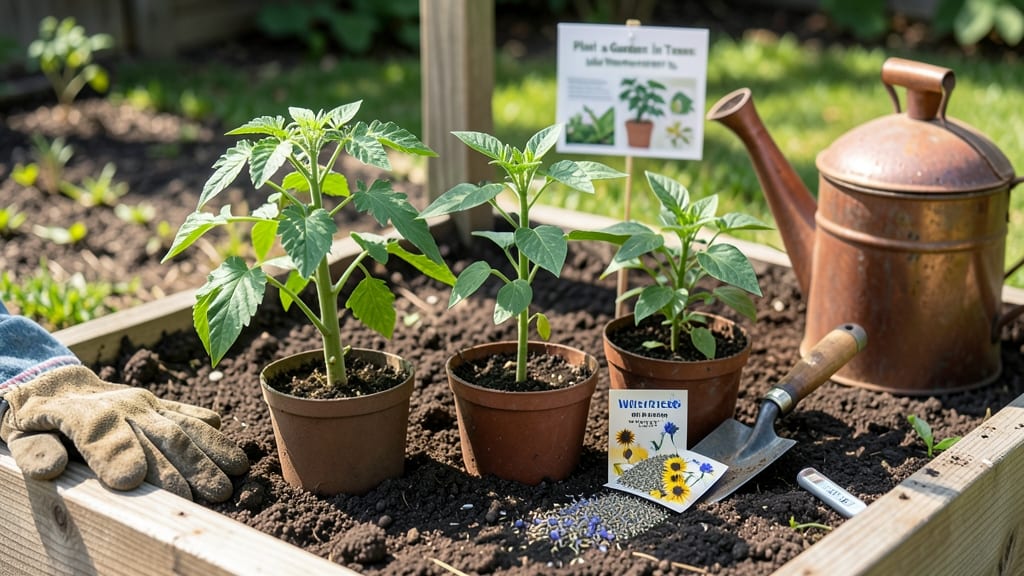
To plant a garden in Texas at the right time means beating the heat and frost—your fastest harvests start with knowing when to put seeds in the ground.
Texas gardeners know timing is everything: plant too early and risk frost, too late and miss peak harvests. But with the state’s diverse climate zones, finding the perfect planting window can feel like solving a puzzle.
From North Texas’s chilly February starts to South Texas’s January kickoff, the ideal window shifts by hundreds of miles. Even within the same region, cool-season crops like lettuce and warm-season favorites like tomatoes demand different strategies.
Here’s your zone-by-zone guide—plus the pro tips to stretch your growing season and avoid the most common mistakes that derail Texas gardens.
Texas planting Zones explained: when to start seeds and transplants
Texas spans 11 USDA planting zones (6a–9b), creating wildly different growing conditions from the Panhandle’s chilly winters to South Texas’s scorching summers. If you plant cool-season crops like lettuce too late, a surprise frost will wipe them out.
Conversely, warm-season plants like tomatoes bolt in Zone 9’s heat if planted before May. Understanding your zone’s last frost date and heat tolerance limits is your secret weapon for a thriving garden.
For example, North Texas (Zones 7a–8b) has an average last frost date of February 15, while South Texas (Zones 9a–9b) rarely sees frost at all. This means spinach and broccoli thrive in spring for North Texans but wilt in summer heat for South Texans.
Meanwhile, okra and sweet potatoes love Zone 9’s heat but struggle in Zone 7’s short summers. Let’s break down your zone’s unique rules for starting seeds and transplanting.
Pro Tip: Use row covers to extend cool-season planting by 2–4 weeks in Zones 7–8, or shade cloth to protect tender seedlings in Zones 9–10. These tricks let you plant earlier or later than the calendar suggests.
| Zone | Avg. Last Frost | Cool-Season Planting Window | Warm-Season Planting Window | Heat-Tolerant Alternatives |
|---|---|---|---|---|
| 6a–6b (Panhandle) | March 15 | Late March–April | May 15–June 1 | Malabar spinach, New Zealand spinach |
| 7a–7b (North TX) | February 15 | Late Feb–March | April 15–May 1 | Swiss chard, collard greens |
| 8a–8b (Central TX) | January 31 | Late Jan–Feb | March 15–April 15 | Okra, black-eyed peas |
| 9a (South-Central TX) | January 15 | Late Dec–Jan | February 15–March 1 | Sweet potato, eggplant |
| 9b (Deep South TX) | None (rare frost) | Year-round (with shade) | January–April | Peppers, tomatoes (heat-tolerant varieties) |
In Zones 6a–7b, I start cool-season seeds indoors in January for transplants after the last frost. For warm-season crops, I wait until soil temps hit 60°F—usually mid-April in Zone 7.
In Zone 9b, I plant peppers and tomatoes in January under shade cloth, then move them outdoors as temps rise. The key is matching plant needs to your zone’s heat and cold extremes.
For transplants, harden off seedlings for 7–10 days before moving them outside.
In Zones 8–9, I use drip irrigation to keep seedlings hydrated during 100°F+ days. Slow-growing crops like cabbage need 60–80 days to mature, so I plant them 4–6 weeks before your zone’s first frost date to ensure harvests before cold snaps.
If you’re in Zone 9a or 9b, avoid planting heat-sensitive crops like lettuce after March 15. Instead, opt for okra, sweet potatoes, or black-eyed peas, which thrive in 90°F+ temps.
I’ve had success with ‘Arkansas Traveler’ tomatoes, which handle South Texas heat better than standard varieties. For North Texas gardeners, ‘Early Girl’ tomatoes are a safer bet—they mature before summer’s worst heat arrives.
One common mistake? Planting warm-season crops too early in Zones 7–8. Soil stays too cold for seeds to germinate, leading to rotted seedlings. To test soil warmth, press your hand into the ground—if it’s cooler than your wrist, wait another week.
For Zone 9+, the opposite is true: overheated soil can kill seedlings, so I use shade cloth
Best month-by-month planting calendar for Texas gardens
Texas gardeners know timing is everything—plant too early and risk frost, too late and miss peak harvests. But with the state’s diverse climate zones, finding the perfect planting window can feel like solving a puzzle.
This month-by-month guide will help you align your planting schedule with Texas’ unique seasons, ensuring faster growth and bigger harvests.
From cool-season crops in early spring to heat-tolerant plants in late summer, each month offers specific opportunities. Whether you’re in Zone 8a or Zone 10a, these deadlines will keep your garden thriving year-round. Let’s dive into the best planting, transplanting, and harvesting times for Texas gardens.
- January: Start cool-season crops indoors (e.g., onions, peas). Plant garlic and broccoli in South Texas.
- February: Transplant cabbage and lettuce after last frost. Begin tomato and pepper seeds indoors in North Texas.
- March: Plant warm-season crops (e.g., okra, sweet potatoes) in South Texas. Transplant tomatoes by March 15 in Zone 8.
- April: Critical deadline: Plant tomatoes and peppers by April 15 in Zone 8. Direct-sow beans and squash after soil warms.
- May: Sow heat-tolerant crops like eggplant and melons. Avoid planting cool-season greens in Zone 9+.
- June: Focus on succession planting for okra and peppers. Harvest early spring crops before heat stress.
- July: Plant fall crops (e.g., carrots, radishes) in North Texas. Mulch to retain moisture.
- August: Direct-sow cool-season crops for fall harvests. Transplant broccoli and cauliflower by August 15.
- September: Ideal time for tomatoes, peppers, and kale. Plant winter wheat in North Texas.
- October: Last chance for cool-season crops (e.g., spinach, turnips). Harvest fall squash before frost.
- November: Plant garlic and onions for spring harvests. Cover tender plants with row covers.
- December: Focus on winter mulching and soil prep. Start cool-season seeds indoors for early spring.
Adjust these timelines based on your USDA zone. For example, South Texas gardeners can plant tomatoes as early as February, while North Texas should wait until March 15 to avoid frost damage. Always check your local last-frost dates for precision.
Don’t forget about succession planting—sowing new seeds every 2-3 weeks ensures a continuous harvest. For instance, plant lettuce every 10 days from March to October to enjoy fresh greens all season. This strategy works wonders for bush beans and radishes too.
In Zone 9 and 10, summer planting is possible for heat-loving crops like sweet potatoes and black-eyed peas. However, avoid planting cool-season crops like spinach or kale after March—they’ll bolt or wilt in the heat. Instead, opt for shade-tolerant greens like Swiss chard or Malabar spinach.
By following this calendar, you’ll maximize your garden’s potential and enjoy fresh produce year-round. Happy planting! 🌱