
Planting
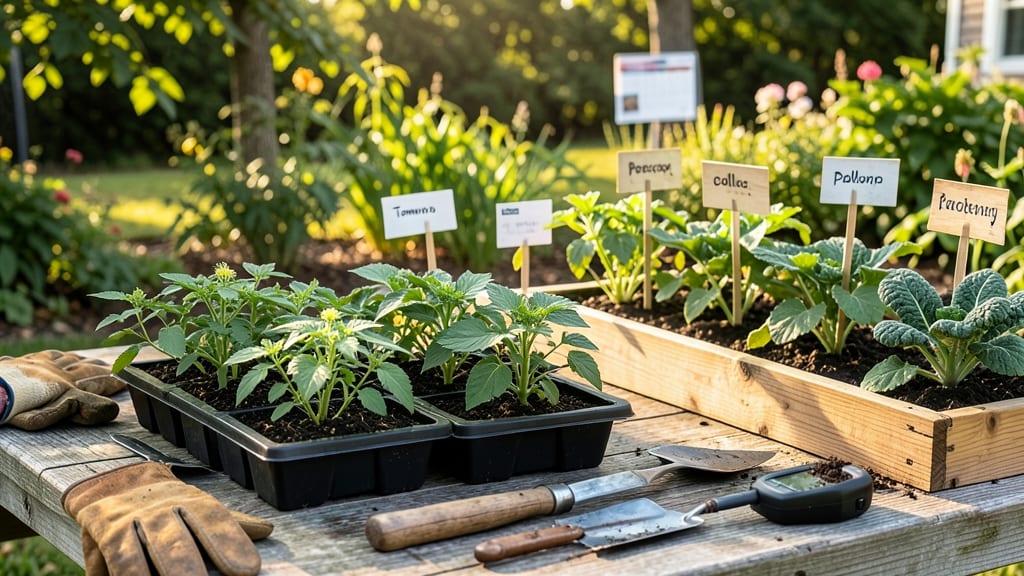
To plant a garden in South Carolina means timing your seeds between mid-February and early September—a window that lets you grow everything from spinach to sweet potatoes without fighting the frost.
But here’s the catch: South Carolina’s climate isn’t one-size-fits-all. Coastal areas like Charleston (Zone 8B) can plant two weeks earlier than the Piedmont’s Greenville (Zone 7A), where a late frost can still sneak in. Miss that window, and you’re staring at wilted seedlings or stunted harvests.
This guide breaks down the exact frost-free deadlines for your zone, plus the best crops to plant in spring and fall—so you can avoid the most common mistakes and grow like a pro.
You’ll learn which vegetables to start indoors, when to direct-sow, and how to stretch your growing season with simple tricks—all tailored to SC’s humidity and soil quirks.
South Carolina planting calendar: frost-free deadlines by zone 7A vs 8B
South Carolina’s two USDA zones—7A (cooler uplands) and 8B (warmer coastal areas)—create distinct planting windows. Zone 7A’s last frost date typically falls around March 15, while Zone 8B enjoys a 10-14 day head start, often seeing frost-free conditions by March 1.
These differences mean your cool-season crops like lettuce and broccoli can go in earlier in 8B, while 7A gardeners must wait longer to avoid frost damage.
Understanding these zones helps you align your planting schedule with soil temperatures and seasonal shifts.
For example, warm-season crops like tomatoes and peppers should only go in after soil reaches 60°F, which happens 2-3 weeks earlier in 8B than in 7A. This guide breaks down the month-by-month timeline for both zones, so you can maximize your garden’s potential without risking seed loss or slow growth.
In Zone 7A, where frost dates are later, focus on succession planting to stretch your harvests. For example, sow radishes every 2 weeks from February to September to ensure a continuous supply.
Meanwhile, Zone 8B gardeners can push the limits by planting warm-season crops like okra as late as June and still enjoy harvests before the first frost in
Top 5 crops to plant early (before May) in South Carolina’s zones
South Carolina’s early spring offers the perfect window to get a head start on your garden. By planting frost-tolerant crops before May, you can enjoy fresh harvests while avoiding the summer heat. These fast-growing vegetables thrive in cooler temperatures and give you a jump on the growing season.
Whether you’re in Zone 7A’s cooler Piedmont or Zone 8B’s warmer coastal areas, these crops will adapt well. The key is to plant them early enough to avoid late frosts but not so early that they bolt in the heat.
Let’s dive into my top 5 picks for a successful early spring garden.
- 🌱 Spinach – Plant in February-March for a 4-6 week harvest. Choose ‘Bloomsdale Long Standing’ for heat tolerance. Harvest outer leaves first to extend the season.
- 🌿 Peas – Direct sow ‘Sugar Snap’ or ‘Green Arrow’ in late February. They thrive in cool soil and can handle light frosts. Trellis for space-saving and better airflow.
- 🌶️ Radishes – Fastest crop on this list! Plant ‘Cherry Belle’ in February-March for a 3-4 week harvest. Ideal for succession planting every 2 weeks.
- 🥬 Broccoli – Start ‘Waltham 29’ indoors in February or direct sow in March. Transplant seedlings 18 inches apart. Harvest heads before they flower.
- 🌿 Cilantro – Plant in February-March for a 4-6 week harvest. Bolt-resistant varieties like ‘Santo’ work best. Harvest leaves regularly to encourage bushier growth.
To extend your harvests into summer, use shade cloth during peak heat or plant in partial shade. For example, spinach and cilantro will bolt if temperatures rise above 80°F, so succession planting is key. Start new seeds every 2 weeks for continuous harvests.
Don’t forget to mulch around plants to retain moisture and regulate soil temperature. A 2-inch layer of straw or shredded leaves works perfectly. This simple step can make the difference between a thriving garden and one struggling in early spring’s unpredictable weather.
For Zone 7A gardeners, keep an eye on frost dates—late March is typically safe for most of these crops. In Zone 8B, you can push planting slightly later (early April) for longer harvest windows.
The secret to success? Start small and experiment with varieties to find what thrives best in your microclimate.
With these early-season crops, you’ll have fresh greens and herbs ready by spring. Happy planting—your garden will thank you with a bountiful harvest! 🌱