
Planting
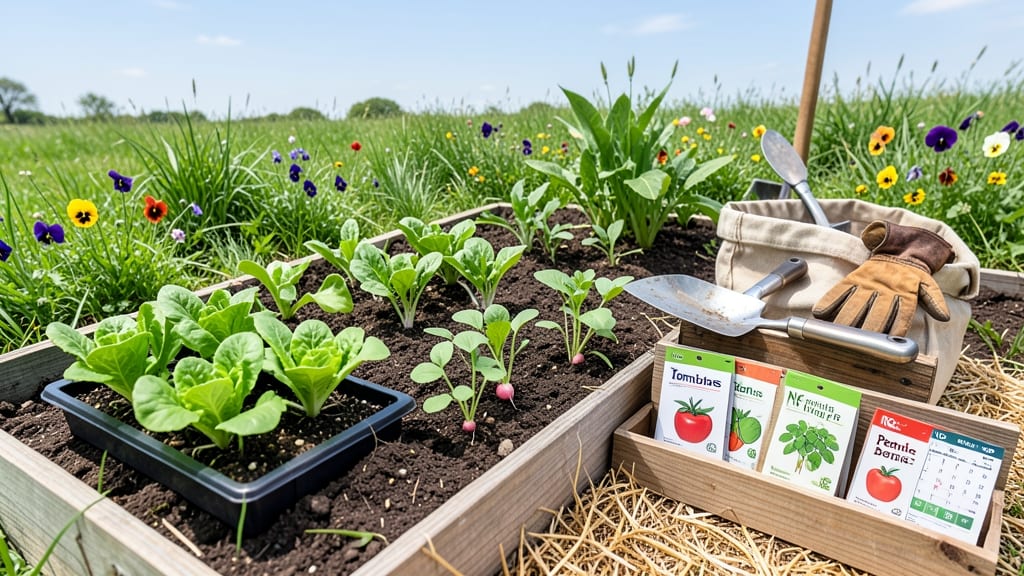
Planting a garden in North Carolina at the right time means the difference between a bountiful harvest and a sad pile of wilted seedlings.
North Carolina’s diverse climate—from coastal swamps to mountain highlands—means planting your 🌱 General Vegetable Garden at the wrong time can spell disaster for your hard work. But timing it just right ensures lush harvests and fewer pests, no matter which NC zone you’re in.
Whether you’re in the Piedmont’s 7b or the mountains’ 6b, knowing when to start seeds indoors and when to transplant outdoors is the key to avoiding frost damage and maximizing yield.
Below, I break down the exact planting windows for cool-season crops like kale and warm-season favorites like tomatoes, plus region-specific tips to keep your garden thriving all year.
North Carolina planting zones: when to start seeds and transplant by region
North Carolina spans USDA Hardiness Zones 7b to 8a, creating dramatic differences between the coastal plain, Piedmont, and mountain regions. These zones dictate your last frost dates, which are critical for knowing when to start seeds indoors or transplant seedlings outdoors.
For example, Zone 7b in the mountains may see frost as late as May 15, while Zone 8a along the coast might avoid frost until January 15. Understanding these differences ensures your tomatoes, kale, and other crops thrive.
Your planting success hinges on three key factors: last frost dates, soil temperature, and microclimates. Valleys and low-lying areas often experience frost 1-2 weeks later than ridges or higher elevations.
For instance, Asheville (Zone 7b) might have a last frost on April 15, while Raleigh (Zone 7a) typically sees its last frost around March 30. Adjusting for these variations can mean the difference between a thriving garden and lost seedlings.
Here’s a zone-by-zone breakdown of when to start seeds indoors and transplant seedlings outdoors for cool-season crops like broccoli and warm-season crops like peppers. Use this as your NC planting calendar to avoid common mistakes like planting too early or missing the window for fall harvests.
For cool-season crops like kale, broccoli, and spinach, start seeds indoors 4-6 weeks before your last frost date. For example, if your last frost is April 1 (like in Raleigh), begin sowing seeds around February 15.
Transplant these seedlings outdoors 2-3 weeks before the last frost to give them time to establish roots. In Zone 7b, this means transplanting around March 15.
Warm-season crops such as tomatoes, peppers, and cucumbers require soil temperatures above 60°F to germinate
Cool-season vs. warm-season crops: NC-specific planting schedules for maximum yield
North Carolina’s cool-season and warm-season crops thrive on precise timing, but getting it wrong can mean wasted effort or stunted growth. Cool-season crops like spinach and broccoli love the mild temperatures of early spring and fall, while warm-season favorites such as tomatoes and cucumbers crave the heat of summer.
The key? Planting at the right time to avoid bolting (premature flowering) or frost damage.
For maximum yield, I’ve mapped out the best planting windows for 12 essential NC crops, including succession planting strategies to stretch your harvest.
Whether you’re in the coastal plain or the mountains, these schedules align with NC’s last frost dates (mid-March in Piedmont, late February in mountains) to keep your garden productive year-round.
One of the biggest mistakes NC gardeners make is planting warm-season crops too early. For example, tomatoes and peppers planted before the soil reaches 60°F will rot or fail to thrive. To avoid this, use black plastic mulch or wait until after your region’s last frost date.
For cool-season crops, the opposite is true—planting too late can lead to bolting or bitter flavors, especially in spinach and lettuce.
Extend your harvests with succession planting. For instance, sow radishes every 10 days from March to September, or stagger green bean plantings every 2 weeks from May to July. This ensures you’re always harvesting fresh produce instead of facing a glut all at once.
Just be mindful of day-length sensitive crops like lettuce—long summer days can trigger bolting, so opt for heat-tolerant varieties or provide afternoon shade.
Pro tip: Use NC State Extension’s frost forecasts to fine-tune your schedule. Coastal areas (like Wilmington) can plant 2 weeks earlier than the mountains (like Asheville), so adjust accordingly. And always keep an eye on your soil temperature—it’s the real game-changer for seed germination and root development.
With these schedules, you’ll avoid the heartbreak of frost-nipped seedlings or wilting heat-stressed plants. Instead, enjoy a garden that’s always in sync with NC’s ever-changing seasons—from crisp spring greens