
Planting
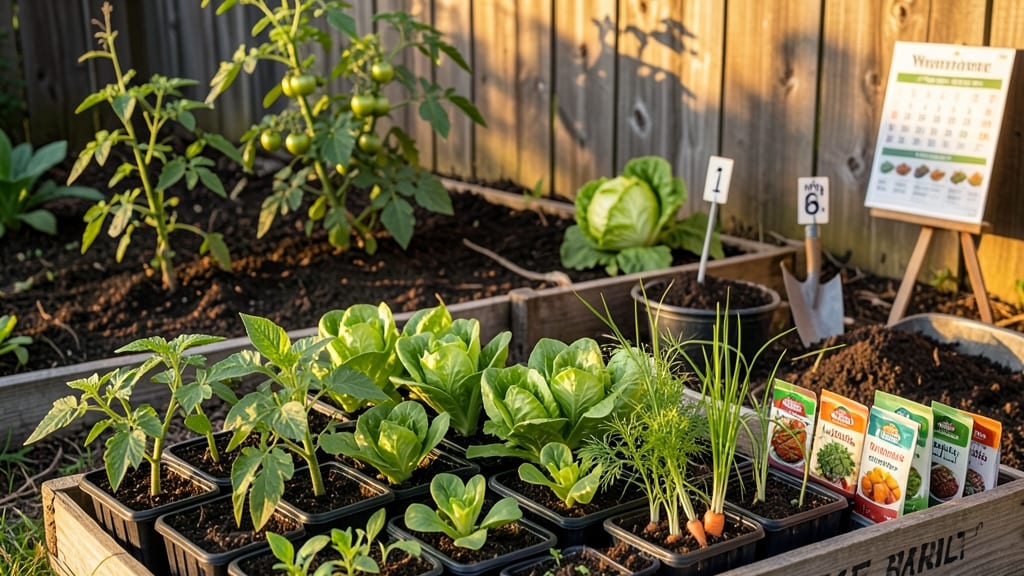
Planting a vegetable garden in Virginia at the right time means the difference between a bountiful harvest and wasted effort — and the clock starts ticking as soon as the snow melts.
Virginia’s diverse climate—from the mountains to the coast—means planting your vegetable garden at the wrong time can mean lost crops or stunted growth. Timing is everything, and knowing the exact frost dates for your Virginia zone can mean the difference between a thriving harvest and a disappointing failure.
Cool-season crops like spinach and peas thrive when soil temperatures are still chilly, while tomatoes and peppers demand warmth before they’ll even think about setting fruit. Get it wrong, and you’re either watching seedlings freeze or wilting under summer heat before they’ve had a chance to establish roots.
Below, I break down the zone-specific planting windows you need to know, from the last frost dates in the Tidewater region to the extended growing season in the Shenandoah Valley. Plus, how to stretch your harvest with smart succession planting and container gardening hacks for urban gardeners.
Virginia planting zones and last frost dates: what you must know
Virginia’s USDA planting zones range from 5a in the mountains to 8a along the coast, creating dramatic differences in frost timing. Understanding these zones helps you avoid frost damage to tender crops like tomatoes while maximizing harvests of cold-hardy greens.
The last spring frost typically arrives in early April in Zone 7a but can linger until mid-May in Zone 5a mountain regions.
Knowing your first fall frost dates is equally critical—these range from October in Zone 8a to November in Zone 5a. Planting heat-lovers like peppers too early risks stunted growth, while cool-season crops like spinach planted too late may bolt before harvest.
Let’s break down what you need to know for each zone to time your plantings perfectly.
In Zone 5a, where winters are harshest, focus on early spring planting of cold-hardy crops like peas and spinach. These can handle light frosts and even improve in flavor after exposure. Start seeds indoors in late February for a head start, then transplant after your last frost date.
For Zone 8a, where winters are milder, you can plant heat-lovers like okra and sweet potatoes as early as mid-March.
Your Zone 6a and 7a regions offer the most flexibility. Begin cool-season crops like broccoli and lettuce in early March for an early spring harvest, then transition to warm-season plants like tomatoes and peppers after your last frost date.
Use row covers to extend your growing season in cooler zones, protecting tender seedlings from unexpected late frosts.
For fall planting, aim to sow heat-loving crops like bush beans and cucumbers by mid-July in Zone 7a to ensure they mature before frost. In Zone 5a, focus on fast-maturing varieties or use cold frames to shield crops from early frosts.
Cool-season crops like kale and carrots can be planted as late as mid-September in Zone 8a, benefiting from cooler autumn temperatures.
Always check local microclimates—valleys and low-lying areas may experience later frosts than higher elevations. Urban areas can also be 5-10°F warmer than rural zones, affecting planting times. Use a frost calendar from your local Cooperative Extension Service for the most accurate dates in your specific area.
Pro tip: Use biodegradable plant pots for seedlings to avoid disturbing roots when transplanting after frost. This is especially helpful for heat-sensitive crops like peppers, which can struggle if transplanted too early.
Harden off seedlings gradually by exposing them to outdoor conditions for 1-2 hours daily before their final move to the garden.
Remember, soil temperature matters just as much as air temperature. Use a soil thermometer to ensure it’s at least 50°F for cool-season crops and 60°F for warm-season plants before planting. In cooler zones, consider black plastic mulch to warm the soil faster and give your garden a head start.
By aligning your planting schedule with Virginia’s frost dates and USDA zones, you’ll maximize your harvests and minimize wasted effort. Start with the cold-hardy crops in early spring, transition to heat-lovers after frost, and plan your fall garden with speedy varieties in mind. Happy planting!
Best vegetables to plant in Virginia by season: spring, summer, and fall timing
Virginia’s varied climate—from the coastal plains to the mountain regions—lets you grow a wide variety of vegetables year-round. But timing is everything. Planting cool-season crops too late or warm-season plants too early can ruin your harvest.
Let’s break down the best vegetables to plant in Virginia by season, including succession planting tips for continuous yields.
Spring is the perfect time for cool-loving vegetables like broccoli, cabbage, and peas. These crops thrive in 50-60°F soil and can handle light frosts. Meanwhile, summer brings heat-lovers like tomatoes, peppers, and cucumbers that need warm soil (at least 60°F) and full sun.
Fall is your second chance for cool-season crops, extending your harvest well into November or December.
Succession planting is key to maximizing your garden’s potential. By staggering plantings every 2-3 weeks, you can enjoy a steady supply of fresh vegetables all season long. For example, plant bush beans every 10 days from May to July for a continuous harvest. This strategy works especially well for lettuce, radishes, and carrots.