
Planting
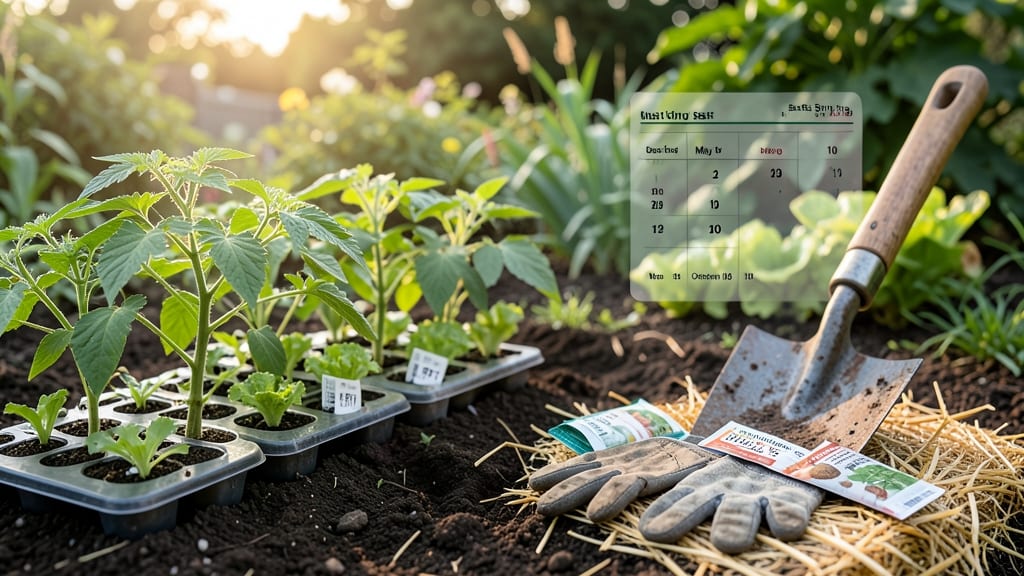
Planting a garden in Michigan at the right time means the difference between a thriving harvest and a sad pile of frost-nipped seedlings.
Michigan’s unpredictable frost dates can turn a gardener’s excitement into frustration—plant too early, and your tender seedlings become a frozen snack. But timing your garden right means lush harvests instead of lost hopes.
With USDA zones 5b-6b and frost dates shifting from mid-April in Detroit to early May in Grand Rapids, the key is knowing when to start seeds indoors, when to transplant, and how to adjust for your local microclimate.
In this guide, I’ll break down the best planting windows for cool-season crops like spinach and warm-season favorites like tomatoes, plus how to extend your growing season with row covers and smart scheduling.
Michigan’s planting zones: when frost dates dictate your garden timeline
Michigan’s USDA Plant Hardiness Zones range from 5b in the north to 6b in the south, creating a 10-day window difference in frost dates that can make or break your garden.
The Upper Peninsula (Zone 5b) often sees its last frost in mid-May, while southern Michigan (Zone 6b) can plant as early as early April. These variations mean your neighbor’s tomato plants might thrive while yours still sit in seed trays.
To navigate these differences, I’ve mapped out average last frost dates by region and added a 10-day buffer—a gardener’s secret weapon. This rule means waiting 10 days after the official last frost date to plant warm-season crops like peppers and eggplants.
For cool-season crops such as spinach and kale, you can start 4-6 weeks before the last frost, often in March or early April.
Here’s the critical breakdown of Michigan’s frost dates and planting zones, including regional variations that could save your garden:
| Region | USDA Zone | Avg. Last Frost | Safe Planting Window | Key Crops |
|---|---|---|---|---|
| Upper Peninsula (Marquette, Houghton) | 5b | Mid-May | Late May - Early June | Potatoes, peas, cabbage |
| Northern Lower Peninsula (Traverse City, Grand Rapids) | 5b-6a | Late April - Early May | Early May - Mid-May | Tomatoes, beans, lettuce |
| Southern Lower Peninsula (Detroit, Kalamazoo) | 6a-6b | Early April - Mid-April | Mid-April - Early May | Peppers, cucumbers, squash |
| Thumb Region (Battle Creek, Saginaw) | 6b | Late March - Early April | Early April - Late April | Strawberries, melons, basil |
If you’re in Zone 6b, like much of southern Michigan, you can start warm-season crops like tomatoes and peppers 2-3 weeks after your last frost date—often by mid-April. But if you’re in Zone 5b, hold off until late May to avoid a frost-killed garden.
Pro tip: Use row covers or cold frames to extend your planting window by 2-4 weeks in cooler zones.
Don’t rely solely on the USDA zone map, though. Microclimates—like south-facing slopes or urban heat islands—can shift your frost dates by 1-2 weeks. For example, a blacktop parking lot near your garden might warm the soil enough to plant peppers 7 days earlier than the official date.
Always check local weather forecasts and consider using a soil thermometer to confirm when the ground is warm enough for seeds.
For cool-season crops, like broccoli and spinach, you can start seeds indoors 6-8 weeks before your last frost date. These hardy plants can often handle light frosts (down to 20°F), so don’t rush to transplant them.
In fact, some gardeners in Zone 5b plant peas and lettuce as early as March, using cloches or cold frames to protect them.
Remember the 10-day rule: After your last frost date, wait 10 days before planting tender annuals like tomatoes and peppers. This buffer accounts for late frosts, which Michigan is famous for. For example, if your last frost is May 10, don’t plant until May 20.
If you’re eager to start earlier, opt for frost-resistant varieties like ‘Early Girl’ tomatoes or ‘Sugar Snap’ peas, which can tolerate cooler temperatures.
Fall planting is another critical window. In Zone 6b, you can direct-sow cool-season crops like kale and radishes as late as early September, with harvests ready before the first frost. In <
Best vegetables to plant by month in Michigan (with frost-resistant exceptions)
Michigan’s short growing season demands strategy—cool-season crops like spinach and kale thrive in spring’s chill, while tomatoes and peppers need summer’s warmth. The key? Knowing which plants tolerate light frosts (like broccoli and peas) and when to use row covers to extend your harvest window.
Let’s break it down month by month.
Start with March for cold-hardy greens—spinach, lettuce, and peas can handle frost down to 20°F. By April, add broccoli, kale, and radishes, which survive light frosts.
Warm-season plants like tomatoes and peppers wait until May, after the last frost (typically mid-April to early May in Michigan).
🌱Pro Tip: Use row covers to plant cabbage and carrots 2–3 weeks earlier, protecting them from late frosts. For fall, kale, spinach, and garlic planted in September sweeten after frost, while onions and beets can go in until October.
- March: Peas, spinach, lettuce (cold-hardy)
- April: Broccoli, kale, radishes (light frost tolerance)
- May: Tomatoes, peppers, beans (after last frost)
- June: Cucumbers, squash, corn (warm soil needed)
- September: Kale, garlic, onions (fall harvest)
- October: Spinach, beets, carrots (frost-sweetened)
For warm-season crops, soil temperature matters more than air temperature. Test your soil—tomatoes and peppers need 60°F+ soil to thrive.
If your spring is slow, start these indoors in March and transplant after the last frost. Beans and corn are more forgiving; plant them directly in May once the ground warms.
Don’t forget fall planting! Garlic planted in October stores energy over winter for a June harvest. Spinach and lettuce sown in September can survive light frosts and taste sweeter after a frost. Even kale becomes sweeter when exposed to 20–30°F temps—just cover it if frost threatens.
🌿Key Takeaway: Michigan’s 150-day growing season is short, so prioritize fast-maturing varieties (e.g., bush beans in 50 days vs. pole beans in 60). Use succession planting—sow lettuce every 2 weeks from April to September—to maximize your harvest.
With the right timing, you’ll turn Michigan’s challenges into a year-round gardening victory.