
Planting
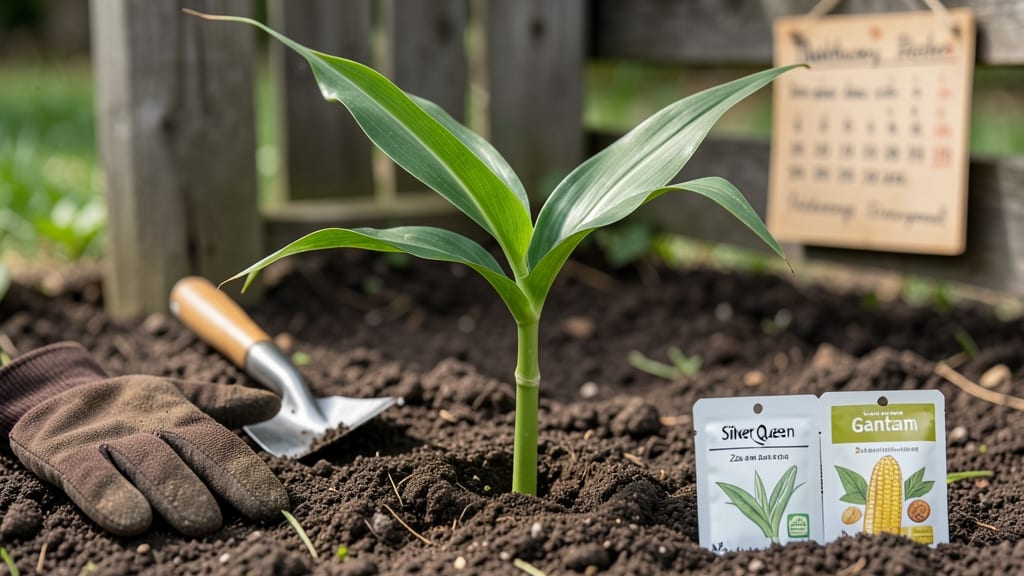
To plant a garden in Iowa, aim for mid-April after the last frost date—when soil warms to at least 50°F—or late July for fall crops, since Zone 4b’s short season demands precision.
Iowa’s unpredictable Zone 4b climate means planting your garden at the wrong time can mean wasted seeds, stunted growth, or even crop failure—but timing it perfectly ensures a thriving harvest.
Cool-season crops like spinach and peas can go in as early as March, while tomatoes and peppers need to wait until late May, when nighttime temperatures stay above 55°F. Missing these windows means either freezing seedlings or bolting greens.
In this guide, I’ll break down the exact frost dates for your region, how to stretch your season with row covers, and the three biggest mistakes Iowans make—plus how to avoid them.
Iowa’s last frost dates: critical planting windows by month for Zone 4b
Understanding Iowa’s Zone 4b frost dates is the key to unlocking a bountiful garden. The average last spring frost falls between April 15 and May 15, but this can shift dramatically depending on your specific location in the state.
For example, southern Iowa might see frost-free conditions by April 10, while northern areas could wait until May 1. These dates determine whether your tomatoes, peppers, or corn will thrive or wither.
Cool-season crops like spinach, peas, and kale can often handle light frosts, making them ideal for early spring planting—sometimes as early as March 15 under row covers.
However, warm-season crops like eggplants and squash demand consistent warmth and should only be planted after the last frost date has passed and soil temperatures reach at least 55°F (13°C).
Historical data from Iowa State University and the USDA confirms that waiting until mid-May guarantees a 90% frost-free probability for most of Iowa. This is especially critical for transplants like tomato seedlings, which are far more vulnerable to cold damage than direct-sown seeds.
Planting too early can lead to stunted growth or even seedling death, while waiting too long risks overcrowded gardens as the season progresses.
| Plant Type | Sun Needs | Planting Window | Notes |
|---|---|---|---|
| Cool-Season Crops (Spinach, Peas, Lettuce) | Partial Sun | March 15–April 15 (spring) or August 15–September 15 (fall) | Tolerates light frost; harvest before bolting. |
| Warm-Season Crops (Tomatoes, Peppers, Corn) | Full Sun | After May 1 (soil temp ≥55°F) | Wait for consistent warmth; use row covers if needed. |
| Root Vegetables (Carrots, Beets, Potatoes) | Full Sun | April 1–May 15 (spring) or July 1–August 15 (fall) | Plant early for fall harvest; avoid late planting. |
| Herbs (Basil, Cilantro, Dill) | Full Sun | After May 1 (basil) or March 15 (cilantro) | Basil needs warmth; cilantro bolts in heat. |
| Flowers (Marigolds, Zinnias, Sunflowers) | Full Sun | After April 15 (direct sow) or May 1 (transplants) | Brightens gardens and attracts pollinators. |
For successive planting, consider staggering your lettuce or radish seeds every 2 weeks from March through June. This ensures a continuous harvest and reduces the risk of bolting due to heat. Meanwhile, corn and beans should be planted in blocks rather than rows to improve pollination and yield.
If you’re unsure about your local frost dates, use a soil thermometer to confirm when temperatures consistently stay above 50°F (10°C). This is especially important for warm-season crops, which can suffer from poor germination in cold soil.
For example, peppers may take 3 weeks longer to sprout in 50°F soil compared to 70°F soil.
Don’t forget about fall planting! Many crops like kale, broccoli, and carrots thrive when sown in late July or August. These plants benefit from cooler autumn temperatures and can often be harvested well into November before the first frost.
To maximize your fall garden, aim to plant 6–8 weeks before your expected first frost date, which in Iowa typically falls around October 15.
Pro tip: Keep a garden journal to track your local frost dates over
How to extend your Iowa growing season: cold frames, row covers, and successive planting
Iowa’s short growing season (just 165 frost-free days) can feel like a race against time—but with the right tools, you can push your harvests earlier and later. Cold frames add 2–4 weeks of growing time, while row covers extend your season by 3–6 weeks, and successive planting ensures a steady supply of fresh produce.
These methods work together to turn Iowa’s challenges into opportunities for a longer, more productive garden.
For cool-season crops like lettuce, spinach, and peas, I start seeds in cold frames as early as March—sometimes even late February—when soil temperatures hover around 35–40°F.
The clear plastic or glass traps heat during the day and radiates it back at night, creating a microclimate that’s 10–15°F warmer than the outside air. This head start means I can transplant seedlings into the garden 3–4 weeks earlier than usual.
DIY with wooden boxes and clear plastic ($20–$50). Best for leafy greens and root vegetables like carrots and radishes.
Lightweight floating fabric ($10–$30) lifts temps by 5–10°F. Ideal for broccoli, cabbage, and peppers in spring/fall.
Sow lettuce every 2 weeks from April to August for continuous harvests. Works for radishes, beans, and bush peas too.
Commercial hoop tunnels ($50–$150) extend seasons by 6–8 weeks. Perfect for tomatoes, peppers, and cucumbers in late spring.
Row covers are my go-to for warm-season crops like tomatoes and peppers. I drape them over seedlings in early May, just as the last frost threatens, and remove them in late June when temps consistently stay above 60°F.
The covers protect young plants from late frosts while allowing sunlight and water to pass through. For fall planting, I reuse them in September to shield crops like kale and spinach from early frosts, often harvesting until mid-October instead of early October.
Don’t overlook successive planting—it’s the simplest way to maximize your garden’s potential. Instead of planting all your lettuce seeds at once, I sow a new row every 2 weeks from April through August.
This ensures a steady supply of fresh greens, even when some varieties bolt or get overwhelmed by heat. The same strategy works for radishes (ready in 30 days) and bush beans (harvestable in 50–60 days).
For hardier gardeners, low-tunnel hoop houses are a game-changer. These DIY or pre-made structures (like those from GrowSpan or Agribon) create a mini greenhouse over your beds. I’ve used them to start tomato seedlings in April and extend the season until early November.
The key is ventilation—leave the ends open on warm days to prevent overheating, which can scorch plants.
Pro tip: Combine these methods for maximum impact. Start seeds in a cold frame, transplant into the garden under a row cover, and then use successive planting to keep the harvest going.
With this approach, I’ve turned Iowa’s short season into a year-round gardening adventure, even in Zone 4b.