
Planting
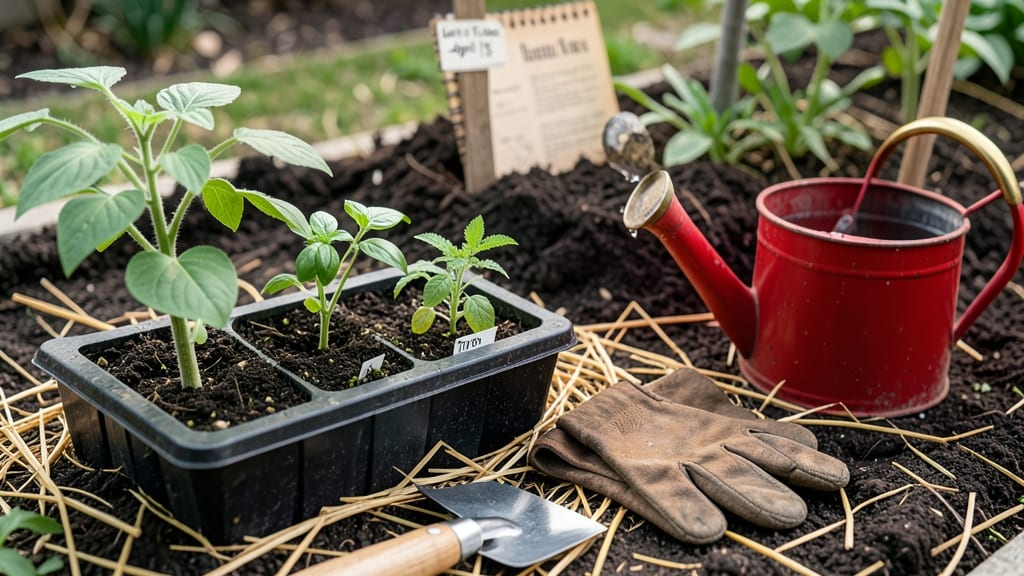
Planting a garden in Indiana at the right time means the difference between a thriving harvest and a sad, withered mess by summer.
Indiana’s diverse microclimates—from the humid south to the cooler north—can turn your gardening success from hit-or-miss to consistently bountiful. Planting at the right time isn’t just about avoiding frost; it’s about aligning with your local growing zone’s unique rhythms.
If you’ve ever rushed to plant tomatoes only to watch them wilt in a late spring frost, or struggled with bolting lettuce because you waited too long, you know timing matters.
The key is knowing when your soil warms up, when the last frost is actually behind you, and how to adjust for your specific corner of the state.
In this guide, I’ll break down the best planting windows for Indiana’s USDA Zones 5 and 6, share tricks for handling unpredictable weather, and highlight the hardiest crops for your garden. By the end, you’ll know exactly when to dig in for the best yields—no guesswork required.
Indiana planting timing by microclimate: USDA Zones 5-6 breakdown
Indiana spans USDA Zones 5 and 6, creating distinct planting windows across its three main regions: Northern (Zone 5), Central (Zone 5-6), and Southern (Zone 6).
These zones dictate when to plant cool-season crops like lettuce and warm-season crops like tomatoes for optimal yields. Let’s break down the precise timing for each region.
For Northern Indiana (Zone 5), the average last frost date falls between April 20–May 10, while Southern Indiana (Zone 6) typically sees its last frost by April 10–April 25.
Central Indiana falls right in between, with April 15–April 30 as the general window. These dates are your guideposts for starting seeds indoors and transplanting seedlings outdoors.
Soil temperature is just as critical as air temperature. Most warm-season crops like peppers and tomatoes need soil to reach 60°F (15°C) before planting. In Zone 5, this usually happens around May 15–May 25, while Zone 6 soils warm up by May 1–May 15.
Cool-season crops, such as spinach and peas, can handle cooler soils and may go in as early as March 15–April 1 in Southern Indiana.
| Region | Last Frost Date | Warm-Season Planting | Cool-Season Planting | Soil Temp Threshold |
|---|---|---|---|---|
| Northern (Zone 5) | April 20–May 10 | May 15–May 25 | March 20–April 15 | 60°F (15°C) |
| Central (Zone 5-6) | April 15–April 30 | May 1–May 15 | March 15–March 30 | 55°F (13°C) |
| Southern (Zone 6) | April 10–April 25 | April 25–May 10 | March 1–March 15 | 50°F (10°C) |
In Northern Indiana (Zone 5), start indoor seeds for tomatoes and peppers around March 1–March 15, then transplant seedlings outdoors after the last frost. For Southern Indiana (Zone 6), you can push this timeline slightly earlier, with March 15–March 30 being ideal for indoor starts.
This earlier window allows for a longer growing season and potentially two harvests of warm-season crops.
Cool-season crops like lettuce, spinach, and kale thrive in Indiana’s cooler months. In Zone 6, you can sow these directly into the garden as early as February 20–March 15, while Zone 5 gardeners should wait until March 15–April 1.
These crops tolerate light frosts, so don’t rush to harvest them—late-spring frosts can actually sweeten their flavor.
For succession planting, which is key to a continuous harvest, aim to sow radishes and lettuce every 2–3 weeks from spring through early summer. In Central Indiana, this means starting your first batch around March 15 and continuing until June 15.
This strategy ensures you won’t run out of fresh greens before the warm-season crops take over.
If you’re growing perennials like asparagus or rhubarb, plant them in early spring (March–April) when the soil is workable but not waterlogged. These plants establish slowly, so give them a head start by planting in well-draining soil with plenty of organic matter.
In Zone 5, asparagus crowns should go in by April 15, while Zone 6 gardeners have until April 30.
Always keep an eye on local weather forecasts and soil temperature—these can shift your planting dates by a week or more.
For example, a late frost in Northern Indiana might delay warm-season planting until May 25, while an early warm spell in Southern Indiana could allow for earlier plantings. Flexibility is key to Indiana gardening success.
By aligning your planting schedule with your USDA zone and microclimate, you’ll maximize your garden’s potential. Whether you’re growing tomatoes in Zone 6 or kale in Zone 5, timing is everything for a thriving garden. Happy planting! 🌱
How to adjust planting dates for Indiana’s unpredictable weather patterns
Indiana’s variable climate can leave gardeners scrambling—one week brings frost warnings, the next swelters with 90°F heatwaves. The key to success? Flexibility. Unlike rigid planting guides, Indiana demands real-time adjustments based on soil temperature, frost forecasts, and your specific microclimate.
Even experienced gardeners in USDA Zone 5-6 often lose crops by ignoring these shifts.
Start by tracking your local frost-free dates, which can vary by 2-3 weeks across the state. Northern Indiana’s last frost might hit May 15, while southern counties could be frost-free by April 20.
Use the National Weather Service or local ag extensions for updates, but always verify with a soil thermometer—cool soil delays germination even after air temperatures warm.
⚠️ callout-warning ⚠️
Risk: Seedlings die from late frosts (common in May). Example: Tomatoes planted before May 20 in Northern Indiana often suffer damage.
Solution: Use row covers or wait until soil hits 60°F+ for 10+ days. For peppers and eggplants, delay until June 1—they need 70°F+ soil.
Pro Tip: Start warm-season crops indoors 6-8 weeks before your last frost date to extend your growing window.
For cool-season crops like lettuce or spinach, plant 4-6 weeks before your average last frost. But here’s the trick: succession plant every 2 weeks until July 4. This ensures a steady harvest while avoiding bolting (when plants flower prematurely from heat stress).
In my Zone 5b garden, I’ve doubled radish yields by using this tactic.
Don’t forget to monitor heatwaves—even in spring. If temperatures hit 85°F+ for 3+ days, shade cloth or afternoon watering can save leafy greens from wilting.
I once lost an entire basil crop because I ignored the heat advisory—a lesson that taught me to invest in a soil thermometer ($15 at garden centers) and a weather alert app.
Adjust your planting calendar based on these rules:
- Cool crops (kale, peas): Plant March-April (or August-September for fall harvests).
- Warm crops (tomatoes, beans): Wait until after May 15 (or use black plastic mulch to warm soil faster).
- Heat-tolerant crops (okra, sweet potatoes): Plant June-July when soil is 75°F+.
Finally, keep a gardening journal to track your local patterns. Over 3 years, I’ve shifted my zucchini planting from May 1 to May 10 after noting consistent late-May frosts. Small adjustments make a huge difference—your future self (and your harvest) will thank you! 🌱