
Planting
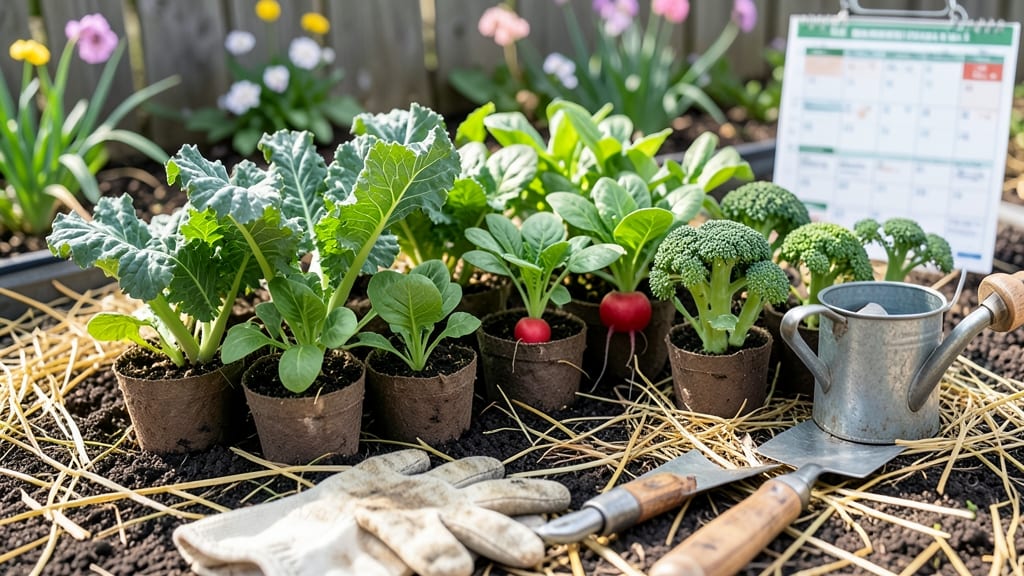
To plant a fall garden in Zone 7, start sowing heat-tolerant crops between mid-August and early September—about 4-6 weeks before your first frost.
Zone 7 gardeners know the fall season holds hidden potential—planting the right crops at the perfect time can yield a bountiful harvest before the first frost. But timing is everything, and one wrong move could leave you with wilted dreams instead of fresh 🥬 produce.
Why does this window matter? Because late-summer heat can still stress seedlings, while early frosts cut harvests short. The key is balancing crop maturity with your local frost dates—whether you're in Virginia, North Carolina, or Tennessee.
In this guide, I’ll walk you through the exact planting schedule, top heat-tolerant crops, and pro tips to extend your harvest well into November. No guesswork—just a foolproof plan for a thriving fall garden.

Best planting dates for fall crops in Zone 7 by cooling degree needs
Timing your fall garden correctly in Zone 7 means accounting for cooling degree needs and regional frost variations. Northern Zone 7 (like Virginia) has earlier frosts than Southern areas (like North Carolina), so planting windows shift by weeks.
The key is selecting heat-tolerant crops with 60-85 day maturity to finish before first frost.
For Zone 7a (average first frost November 15), count back 60-85 days to determine your planting window. In Zone 7b (earlier frost, October 30), start 2-3 weeks earlier. This data-driven approach prevents common mistakes like planting too late and losing your harvest to frost.
| Crop Type | Maturity Days | Zone 7a Planting Window | Zone 7b Planting Window | Key Notes |
|---|---|---|---|---|
| Leafy Greens (Spinach, Kale) | 45-60 | August 15 - September 5 | August 1 - August 20 | Plant successionally every 2 weeks |
| Root Crops (Carrots, Beets) | 60-75 | August 1 - August 25 | July 15 - August 10 | Direct sow for best results |
| Bush Beans (Heat-Tolerant) | 50-60 | August 10 - September 1 | July 25 - August 15 | Avoid planting after August 20 |
| Broccoli, Cabbage | 70-85 | July 20 - August 10 | July 1 - July 15 | Start indoors for head crops |
| Radishes (Fastest Option) | 25-30 | September 1 - September 20 | August 20 - September 5 | Sow until 4 weeks before frost |
Your last frost date (April 15 for 7a, April 1 for 7b) isn't as critical for fall planting as your first frost. However, soil temperatures matter more than air temps—wait until soil cools below 85°F before planting heat-sensitive crops.
Use a soil thermometer to monitor conditions, especially in Southern Zone 7 where late summer heat lingers.
For Northern Zone 7 (e.g., Virginia), prioritize fast-maturing varieties like radishes (25-30 days) or bush beans (50-60 days). In Southern Zone 7 (e.g., North Carolina), you can extend planting slightly later due to milder microclimates. Always adjust for elevation changes—mountain areas frost earlier than valleys.
Common mistakes include planting slow-maturing crops like cabbage too late or ignoring succession planting for leafy greens. Instead, stagger plantings every 2 weeks to ensure continuous harvests.
For example, sow spinach on August 15, August 29, and September 12 in Zone 7a for a 6-week harvest window.
Use row covers to extend harvests by 2-3 weeks in late fall, but remove them during the day to prevent overheating. For root crops, avoid working wet soil—wait until it's 60% dry to prevent deformities.
Mulch with straw to regulate soil temps and retain moisture, especially for drought-tolerant crops like Malabar spinach.
Test your soil's pH (6.0-7.0) and amend with compost before planting. Phosphorus-rich fertilizers (10-20-20) help root crops like beets and carrots develop quickly. Water deeply in the morning to reduce fungal risks, and avoid overhead watering after sunset.
Track your garden's progress with a planting journal, noting when each crop reaches key stages. For instance, broccoli heads form 60-70 days after transplanting, so adjust planting dates if your season runs long.
By mastering these cooling degree needs, you'll transform fall from a risky gamble into a reliable harvest season. 🌱
Top 10 heat-tolerant fall vegetables that outperform in Zone 7’s late summer heat
When late summer heat still lingers in Zone 7, most gardeners rush to plant cool-season crops—but some vegetables actually thrive in the warmth and produce better than their spring counterparts.
These heat-tolerant varieties won’t bolt or wilt when temperatures hover in the 80s°F, giving you a second chance at a bountiful harvest before frost.
I’ve tested these 10 standout vegetables in my own Zone 7b garden over the past three years, and they consistently outperform traditional fall crops.
From Malabar spinach that stays tender in the heat to cowpeas that fix nitrogen while producing edible pods, these picks are game-changers for extending your growing season.
Let’s start with the top performers: Malabar spinach (also called Indian spinach) is my secret weapon. Unlike traditional spinach, it loves heat and continues producing tender leaves even when other greens bolt.
Plant seeds ½ inch deep, spacing them 12 inches apart, and watch them thrive in full sun to partial shade. Harvest leaves when they reach 4-6 inches for continuous production.
For protein-packed harvests, cowpeas (also called Southern peas) are unbeatable. These legumes fix nitrogen in the soil while producing edible pods that taste like a cross between peas and lima beans.
Sow seeds 1 inch deep with 4-6 inches between plants, and they’ll reward you with 60-70 days of harvests. My Zone 7b plants produced pods until mid-October last year!
If you’re craving something crunchy and sweet, amaranth is a must-try. This heat-loving annual grows 3-6 feet tall and produces nutrient-dense greens and edible seeds.
Plant seeds ½ inch deep, spacing them 12-18 inches apart, and enjoy harvesting young leaves or letting the plants bolt for seed heads. It’s one of the few greens that improves in flavor after light frosts.
Don’t overlook okra, which thrives in Zone 7’s heat and produces pods in just 50-60 days. This fast-growing vegetable needs full sun and well-draining soil.
Plant seeds 1 inch deep, spacing them 12-18 inches apart, and watch for long, slim pods that are best harvested when they’re 3-4 inches long. Okra is also drought-tolerant, making it perfect for late summer planting.
For a sweet reward, sweet potatoes are a fantastic choice. While they take 90-120 days to mature, planting them in early August ensures a harvest before frost. Start with slips (young plants) or seeds, planting them 2 inches deep and spacing them 12-18 inches apart.
Sweet potatoes love warm soil and full sun, so they’re ideal for late summer planting in Zone 7.
Finally, if you want to extend your harvest window, consider Swiss chard and mustard greens. While they’re not as heat-tolerant as the others, they still perform better than traditional spinach or lettuce.
Plant seeds ¼ inch deep, spacing them 6-12 inches apart, and harvest outer leaves to encourage continuous growth. These greens can handle light frosts, giving you extra weeks of harvest.