
Picking
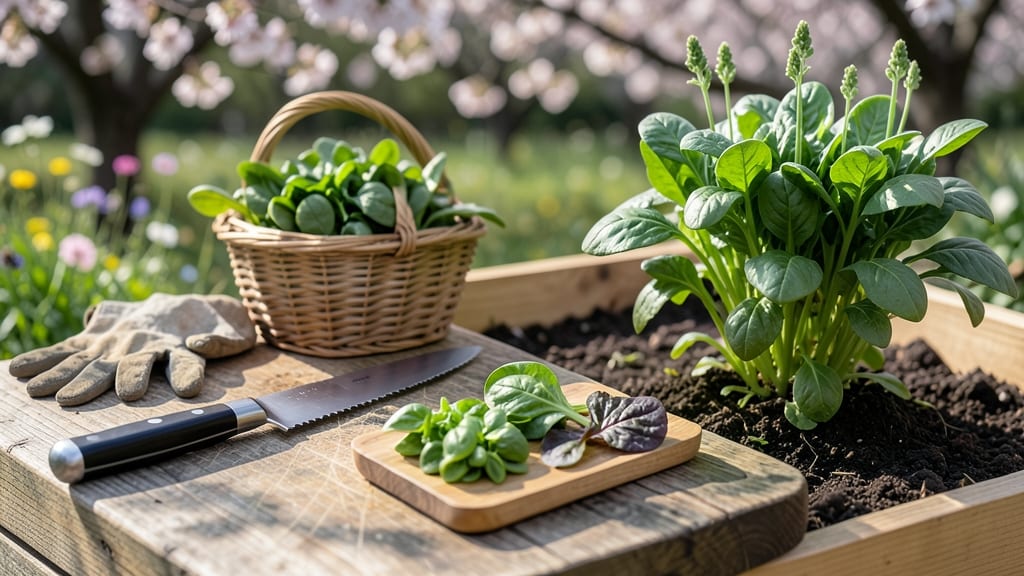
Picking spinach from your garden at the right time means tender, flavorful leaves packed with nutrients—but timing it wrong leads to bitter, tough greens that ruin salads and stir-fries.
You might think bigger leaves mean better spinach, but wait too long, and those bright green leaves turn woody and start bolting (that’s when they send up flower stalks and go to seed).
Here’s the secret: harvest when leaves are 4–6 inches long, soft to the touch, and still bright green. That’s when they’re at their peak for salads, sautéing, or even raw in smoothies.
Below, I’ll walk you through three simple tests to check spinach readiness, plus the best times of day to pick for maximum flavor and how to keep your plants producing all season long.


3 Leaf tests to determine when to pick spinach for maximum freshness
Knowing exactly when to harvest your spinach can transform your garden's bounty from tough, bitter leaves to tender, flavorful greens. The key lies in three simple leaf tests that reveal the perfect moment to pick.
These tests focus on leaf size, texture, and color—visual cues that tell you when your spinach is at its peak. Whether you're growing baby leaf spinach for quick harvests or letting it mature for larger leaves, these indicators apply to all varieties.
Spinach is a cool-season crop that thrives when picked young, but leaving it too long leads to bolting (flowering) and bitter flavors. The good news? You don’t need a harvesting calendar or complex tools—just your eyes and fingers.
By mastering these tests, you’ll avoid the disappointment of woody stems and maximize your garden’s productivity. Let’s dive into the three foolproof ways to know when your spinach is ready for the cutting board.
- 1 Leaf Size Test: Harvest when leaves reach 4–6 inches long. For baby leaf spinach, pick at 2–3 inches for milder flavor. Larger leaves (6+ inches) signal maturity but risk bitterness if left longer.
- 2 Texture Test: Gently squeeze a leaf—it should feel tender and slightly wrinkled. If it’s crisp or woody, it’s overripe. For smooth, glossy leaves, harvest immediately to preserve freshness.
- 3 Color Test: Bright deep green leaves with no yellowing or browning are ideal. Avoid leaves with red or purple veins (sign of stress) or white-tipped edges (bolting). Harvest before color fades to pale green.
For baby leaf spinach, timing is everything—these varieties are bred for rapid growth and mild flavor. Test leaves at 3–4 weeks after planting, focusing on the leaf size test first. Baby spinach is ready when leaves are 2–3 inches long and still tender.
If you wait too long, even baby spinach can develop tough stems and a stronger taste, defeating the purpose of growing this quick-harvest variety.
Mature spinach, like Bloomsdale Long Standing, gives you more flexibility but requires closer attention to the texture and color tests. These varieties can handle slightly larger leaves (up to 6 inches) but still demand harvests before they bolt.
Pay special attention to the color test: any hint of yellowing or browning means the leaf is past its prime. A deep, vibrant green is your golden ticket to the best flavor and texture.
One common mistake gardeners make is waiting until spinach looks "fully grown" before harvesting. By then, the leaves may already be bolting or developing bitter compounds. Instead, use the texture test as your final check—if a leaf feels slightly crisp or resistant, it’s time to pick.
This test is especially useful for container-grown spinach, where space is limited, and you want to encourage continuous regrowth.
Pro tip: Harvest spinach in the morning when leaves are cool and crisp. This is when they’re at their peak tenderness and flavor. Avoid picking after a hot day, as leaves can become limp and less flavorful.
If you’re unsure whether a leaf is ready, err on the side of picking it—spinach regrows surprisingly well when harvested correctly, giving you multiple harvests per plant.
Seasonal variations also play a role in spinach readiness. In early spring, when temperatures are cool, spinach grows quickly and may be ready for harvest in as little as 4–5 weeks. In fall, growth slows slightly, so monitor leaves closely to avoid missing the optimal window.
Always check for bolting signs (tall flower stalks) and harvest before they appear, as bolting spinach becomes tough and inedible.
If you’re growing spinach for continuous harvests, focus on the outer leaves first. This practice encourages the plant to produce new growth from the center, giving you a steady supply of fresh greens.
Use sharp pruning shears or clean scissors to avoid damaging the plant, and always cut leaves at their base to prevent disease. With these tests in your toolkit, you’ll never again wonder when to pick spinach from your garden.
Remember, the goal is to balance harvest frequency with plant health. Over-harvesting can stress your spinach, while under-harvesting leads to bitter leaves. Aim to pick every 1–2 weeks for baby spinach and every 2–3 weeks for mature varieties, adjusting based on your climate and the plant’s response.
Happy harvesting—and enjoy those fresh, homegrown greens! 🥬
Best harvesting practices to preserve spinach flavor and growth
Harvesting spinach correctly is the key to enjoying tender, flavorful leaves while encouraging your plants to keep producing. Unlike many vegetables, spinach thrives when you pick it young and frequently—this prevents the plant from bolting (flowering) and becoming bitter.
The right technique also extends your harvest season, giving you fresh greens for weeks.
Timing matters just as much as how you harvest. Spinach grows best in cool weather, so plan your harvests for early spring or fall. In my garden, I’ve found that picking in the morning after dew dries yields the sweetest, crispest leaves.
This simple habit makes all the difference in flavor and texture.
⚠️ WARNING: Avoid These Harvesting Mistakes
- Don’t cut the base—always snip outer leaves to leave the center intact for regrowth.
- Never harvest in heat—spinach bolts quickly when stressed by temperatures above 75°F.
- Skip overripe leaves—tough, yellowing leaves won’t improve and may spread disease.
Harvesting too close to the base or in hot weather forces spinach to bolt prematurely, ruining your crop. Plan your harvests for cool, cloudy days to preserve tenderness.
To harvest spinach properly, use clean, sharp scissors or pruning shears to snip leaves about 1 inch above the base. This method lets the plant regrow from the center, giving you multiple harvests.
I always start with the outer leaves first, working my way inward—this keeps the plant compact and productive.
Frequency is just as important as technique. For continuous harvests, pick spinach every 1–2 weeks during its active growing season. In my experience, this rhythm prevents the plant from becoming overcrowded and encourages a steady supply of fresh leaves.
Just be sure to leave at least 3–4 inches of growth on the plant after each harvest.
Seasonal timing plays a huge role in spinach success. Plant your crop 4–6 weeks before your last frost date for a spring harvest, and again in late summer for a fall crop.
In my USDA Zone 6a garden, I aim for harvests between May and June, then again in September and October before frost sets in.
With the right harvesting practices, you can enjoy fresh spinach for months—no bitter surprises or wasted plants. The secret? Stay consistent with your timing, use the right tools, and always prioritize the plant’s health over quantity. Your spinach will reward you with tender, flavorful leaves all season long. 🥬