
Picking
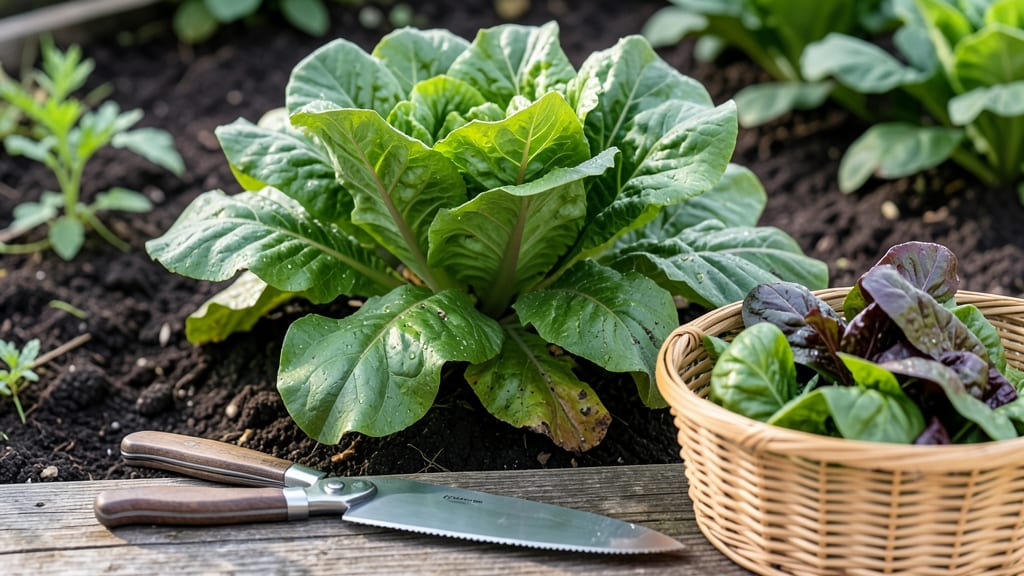
Picking lettuce from your garden at the right time means the difference between crisp, sweet leaves and bitter, tough disappointment.
Harvesting too early leaves you with tiny, underdeveloped greens, while waiting too long turns your 🥬 into a woody mess. The key is watching for those 4-6 inch outer leaves that are deep green and firm to the touch.
Season matters too—spring and fall are your best bets in Zone 6a. Heat and long days trigger bolting, so in summer, opt for shade-tolerant varieties like romaine or harvest baby leaves every 2-3 weeks to keep production going.
Below, I’ll walk you through the three leaf stages to aim for, plus how to test readiness without guessing. Master this, and you’ll never waste another harvest again.


3 Key lettuce leaf stages for perfect harvest timing
Knowing when to pick lettuce from your garden isn't just about waiting for leaves to grow—it's about recognizing three distinct stages that determine flavor, texture, and usability.
Each stage offers a different experience, from delicate baby greens to robust mature leaves, and even the bitter aftermath if you wait too long. Understanding these visual cues ensures you harvest at peak freshness every time.
First, there's the baby leaf stage, where lettuce is tender, sweet, and perfect for salads. Then comes the mature leaf stage, ideal for sandwiches and wraps with its crisp, full-bodied texture.
Finally, there's the bolted leaf stage, a clear signal that your lettuce has gone past its prime. Let's break down each stage so you can harvest lettuce at its best.
| Stage | Leaf Size | Texture | Color | Flavor Profile | Best For |
|---|---|---|---|---|---|
| Baby Leaf | 1-3 inches | Very tender | Light green | Sweet, mild | Salads, garnishes |
| Mature Leaf | 4-6 inches | Crisp, firm | Deep green | Crisp, full-bodied | Sandwiches, wraps |
| Bolted Leaf | Variable | Tough, fibrous | Yellowing | Bitter, strong | Avoid |
The baby leaf stage is where lettuce shines for delicate salads. These tiny leaves, typically 1-3 inches long, are harvested when they're just a few weeks old. Their light green color and tender texture make them perfect for adding freshness to your dishes.
If you're growing varieties like Buttercrunch or Oakleaf, this stage often occurs around 30-40 days after planting.
At the mature leaf stage, your lettuce is ready for its prime role in sandwiches and wraps. Leaves reach 4-6 inches in length, develop a deep green hue, and achieve a crisp, firm texture.
This is the sweet spot for flavor and usability, typically around 45-60 days after sowing. Varieties like Romaine and Iceberg are best enjoyed at this stage for their robust structure.
If you miss the mature leaf window, your lettuce may start bolting, a process where it sends up a tall flower stalk. This bolted leaf stage is characterized by yellowing leaves, a bitter taste, and a fibrous texture.
While some gardeners use bolted leaves for cooking (like in soups), they're far from ideal for fresh eating. Recognizing these visual cues early helps you avoid disappointment.
To extend your harvest window, consider practicing succession planting. By sowing new seeds every 2-3 weeks, you can ensure a steady supply of fresh lettuce. This method works especially well for loose-leaf varieties, which allow you to harvest outer leaves while the inner ones continue growing.
For head lettuce, like Romaine, timing is critical—harvest the entire head once it reaches maturity.
Another pro tip is to harvest in the morning when leaves are at their crispest. Use a sharp knife or clean scissors to cut leaves just above the soil line for loose-leaf types, or the entire head for romaine or iceberg.
This method encourages new growth and prevents damage to the plant. Always leave at least 1-2 inches of stem to promote regrowth.
Watch for environmental stressors that can accelerate bolting, like heat waves or long daylight hours. If your garden is in USDA Zone 7 or higher, consider growing heat-tolerant varieties like Jericho or Black Seeded Simpson.
These varieties are better equipped to handle warmer temperatures and delay bolting.
Finally, store harvested lettuce properly to maintain freshness and flavor. Wrap leaves in a damp paper towel and place them in a plastic bag in the refrigerator. This method can keep your lettuce crisp for up to 1 week.
For longer storage, consider freezing baby leaves in an ice cube tray with water—perfect for adding to smoothies or cooked dishes later.
Mastering these three lettuce stages ensures you'll always have crisp, flavorful greens ready for your favorite recipes. Whether you're enjoying a fresh salad or adding texture to a meal, knowing when to pick your lettuce transforms your garden into a year-round source of freshness. Happy harvesting! 🥬
How to test lettuce readiness without guessing
Nothing ruins a homegrown salad faster than picking lettuce too early—soft, pale leaves—or too late—bitter, tough stems. The good news? With three simple readiness tests, you can harvest your lettuce at peak crispness every time. These methods work for all varieties, from loose-leaf to head-forming types.
Start by checking the outer leaves first—they’re your best indicator of overall maturity. For most varieties, you’ll want leaves that are 4-6 inches long, deep green, and firm to the touch. But how do you know for sure without cutting everything? That’s where these hands-on tests come in.
If your lettuce develops yellowing leaves, tough stems, or flower stalks, it’s already bolting—meaning it’s past its prime. Harvest immediately if you want any usable leaves, then pull the plant to prevent seed spread. Bolting often happens due to heat stress or long daylight (14+ hours), so succession plant every 2-3 weeks in spring/fall to avoid this.
The leaf pinch test is my go-to method for loose-leaf varieties like Oakleaf or Buttercrunch. Gently pinch the outer leaf between your thumb and forefinger. If it feels firm but yields slightly (like a ripe avocado), it’s ready.
If it’s too soft, wait 2-3 days. For head lettuces like Romaine, pinch the wrapper leaves—they should resist slightly but not snap.
Next, try the stem snap technique for head varieties. Hold the base of a middle leaf and bend it gently toward you. If it snaps cleanly with a slight resistance, the head is ready. No snap?
Wait another day. A crisp snap means the plant’s stored energy is shifting from growth to seed production—your last chance for a sweet harvest. Pro tip: Test 2-3 leaves per plant for consistency.
For loose-leaf types, the tug test works wonders. Gently pull on an outer leaf—if it slides out easily with minimal resistance, it’s ready. If it resists or tears, wait 1-2 days.
This method also helps you harvest selectively, letting the inner leaves keep growing while you enjoy the outer ones. Perfect for extending your harvest season!
Finally, watch the weather window. Lettuce tastes best when harvested on cool, cloudy mornings—the leaves are crispest then. Avoid picking after a hot afternoon, as the leaves can wilt quickly.
Store harvested lettuce in a plastic bag with a paper towel in the fridge for up to a week, or rinse and eat immediately for the freshest flavor.
With these tests, you’ll never guess again—just harvest confidently for crisp, sweet lettuce every time. Happy picking! 🥬