
How To
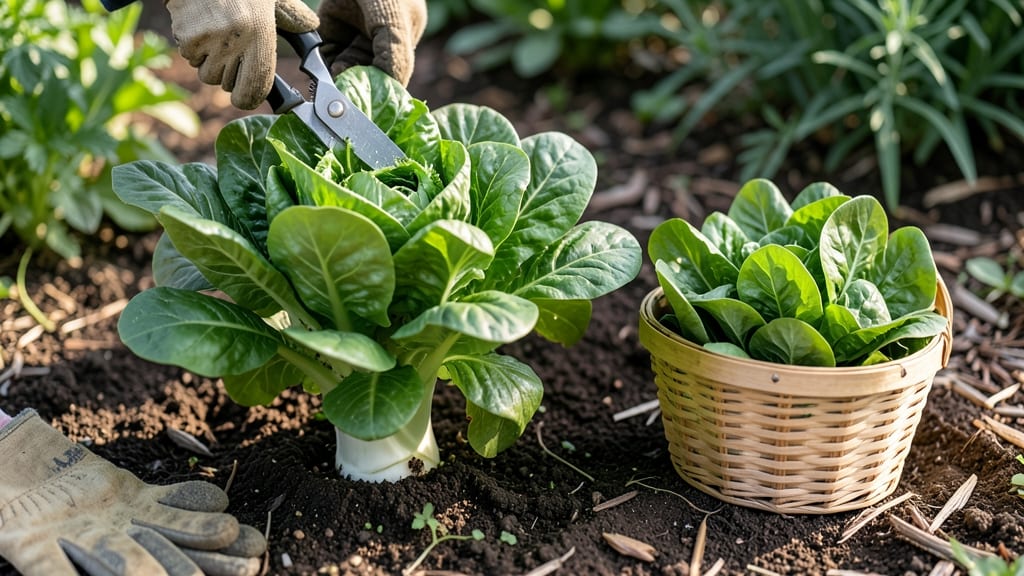
To harvest lettuce from your garden at the perfect moment means crisp, tender leaves that taste nothing like the wilted bags at the store — and it’s easier than you think.
Picture this: you’ve nurtured your 🥬 plants all spring, only to pull a bitter, tough leaf at harvest time. That disappointment happens when you wait too long or cut too aggressively, but the right technique keeps your plants producing for weeks.
In this guide, I’ll walk you through the exact when to harvest for peak flavor, the best tools and methods to use, and how to encourage regrowth so you get a second (or third!) harvest from the same plant.
By the end, you’ll know not just how to harvest lettuce, but how to extend your garden’s productivity all season long — no green thumb required.


When to harvest lettuce for maximum crispness and flavor
Timing your lettuce harvest is everything—pick too early, and you waste potential; wait too long, and you get bitter, woody leaves or bolting. The key lies in understanding your lettuce variety and seasonal cues.
Leaf lettuces like butterhead or romaine offer multiple harvests, while head lettuces like iceberg demand precision. Even a few extra days can turn crisp leaves into tough, flavorless disappointment.
For leaf lettuce varieties, you can begin harvesting as soon as the outer leaves reach 3-4 inches long. This method encourages regrowth and extends your harvest window by weeks.
In contrast, head lettuces should be harvested whole when the head feels firm and reaches 3-4 inches in diameter. Ignoring these cues often leads to overmature lettuce with a bitter, grassy taste that ruins salads.
Seasonal timing also plays a critical role. In spring and fall, cooler temperatures slow growth, giving you a longer window to harvest. But during hot summer months, lettuce bolts quickly—turning sweet leaves into bitter seed stalks in days.
Heat stress accelerates maturity, so harvest aggressively in summer to avoid disappointment.
Watch for these harvest readiness signs:
- Leaf size: Outer leaves 4-6 inches long
- Color depth: Rich green, red, or purple hues
- Texture: Firm but tender, not woody
| Lettuce Type | Harvest Window | Leaf Size | Seasonal Notes |
|---|---|---|---|
| Leaf Lettuce (Butterhead, Romaine) | 30-60 days | 3-6 inches | Harvest outer leaves; regrows for 2-3 cycles |
| Head Lettuce (Iceberg, Crisphead) | 60-80 days | Full head (3-4 inches wide) | Harvest whole; bolting risk in heat |
| Loose-Leaf (Green Leaf, Red Leaf) | 25-40 days | 2-4 inches | Harvest continuously; heat-tolerant |
| All Varieties (Overmature Signs) | N/A | Woody texture, bitter taste | Discard; plant new seeds |
Morning harvests yield the crispest lettuce because evening dew and heat can cause wilting. Use a sharp knife or scissors to cut leaf lettuce just above the soil line, leaving the growth point intact.
For head lettuce, twist gently at the base to avoid damaging the root. This precision keeps your plants productive and your harvests abundant.
Heat stress is your worst enemy—temperatures above 75°F (24°C) trigger bolting, where lettuce sends up a flower stalk. To delay this, provide afternoon shade with a 30% shade cloth and water deeply in the morning. These steps buy you 2-3 extra weeks of harvestable leaves before bolting takes over.
Even with perfect timing, overmaturity happens. Look for yellowing leaves, tough stems, or bitter flavors—these are red flags. Once lettuce bolts, it’s game over for tender leaves. The good news? Succession planting every 2 weeks ensures a steady supply of fresh, crisp lettuce all season.
Pro tip: Store harvested lettuce in a perforated plastic bag with a paper towel to absorb moisture. Keep it in the crispest drawer of your fridge (usually the bottom) to maintain freshness for 7-10 days. This simple step turns your harvest into a long-lasting salad staple.
Mastering the harvest window transforms your lettuce from a fleeting crop to a reliable garden staple. Pay attention to leaf size, seasonal cues, and heat stress—your taste buds (and wallet) will thank you. With these tips, you’ll enjoy homegrown lettuce that rivals any store-bought variety—without the bitterness or disappointment.
Step-by-step lettuce harvesting techniques to preserve plant health
Harvesting lettuce correctly is the secret to crisp, flavorful leaves and a productive garden. Whether you're growing loose-leaf varieties or head lettuce, the wrong technique can leave your plants stunted or stressed.
I’ve learned the hard way that rough handling or harvesting at the wrong time leads to bitter, woody leaves—and even worse, premature bolting. The good news? With the right tools and methods, you can extend your harvest for weeks, not days.
First, let’s talk tools. You’ll want a sharp pair of garden shears or a clean kitchen knife—never your fingers! Dull tools crush leaves, causing browning edges and inviting pests. I keep a small pair of bypass pruners handy for quick cuts, but avoid anything that tears the plant.
For loose-leaf varieties, you can also snip individual leaves without harming the plant, while head lettuce often needs the whole plant harvested at once.
Timing your harvest is just as critical as the method. For loose-leaf lettuce, I harvest outer leaves when they reach 4-6 inches long, leaving the inner leaves to keep growing. This cut-and-come-again approach works wonders for butterhead or romaine varieties. For iceberg or crisphead lettuce, I wait until the entire head is firm and compact—usually around 60 days after planting. Harvesting too early means small, underdeveloped heads, while waiting too long risks bitterness or bolting.
How to Harvest Lettuce from Your Garden
-
Step 1: Choose the Right Time
Harvest loose-leaf lettuce when outer leaves are 4-6 inches long and deep green. For head lettuce, wait until the head is firm and compact.
-
Step 2: Use the Right Tools
Grab sharp shears or a clean knife. Avoid pulling leaves—this damages the plant and invites disease.
-
Step 3: Cut at the Base
For loose-leaf, snip outer leaves 1 inch above the soil. For head lettuce, cut the entire head 1 inch from the base.
-
Step 4: Handle with Care
Gently twist off or cut leaves to avoid bruising. Place harvested leaves in a shaded, ventilated container.
-
Step 5: Revive the Plant (If Applicable)
After harvesting outer leaves, water the plant deeply and add a light mulch to retain moisture. Avoid fertilizing immediately—wait 3-5 days.
One of the biggest mistakes I see gardeners make is harvesting in direct sunlight. Lettuce leaves wilt quickly when exposed to heat, so I always harvest in the early morning or late afternoon.
Store your harvest in a plastic bag with a paper towel to absorb moisture, and refrigerate immediately. This keeps leaves crisp for up to 5 days—far longer than store-bought lettuce!
If your lettuce plant looks stressed after harvesting, don’t panic. Give it a deep watering and a light application of compost tea to help it recover. For loose-leaf varieties, you can often get 2-3 harvests per season by following these steps.
Just remember: consistency is key. Regular, gentle harvesting encourages new growth and keeps your plants healthy and productive.
Now that you’ve mastered the how, your next challenge is extending your harvest season. Try planting shade-tolerant varieties like oakleaf lettuce in hotter months, or use shade cloth to protect your plants. With these techniques, you’ll enjoy fresh, homegrown lettuce for months—not just weeks! 🥬