
Picking
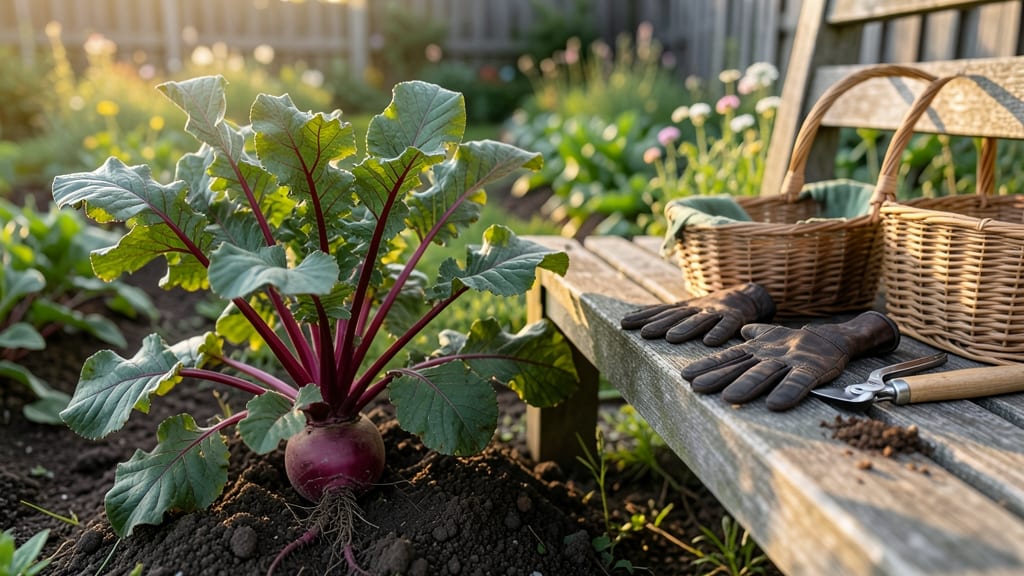
Picking beetroot from the garden at the right time means the difference between sweet, tender roots 🍠 and tough, bitter ones—so timing your harvest between 50 and 70 days after planting is key.
Picture this: you’ve nurtured your beetroot all season, and now the leaves are starting to yellow while the roots beneath look plump and deep in color. That’s your cue—but wait too long, and the texture turns woody. Miss it, and you’ll end up with undersized, pale roots that lack flavor.
Below, I’ll walk you through the exact visual cues to watch for, from root size to skin color, plus how to handle them gently to keep them fresh. Whether you’re in USDA Zone 6a or beyond, these tips ensure you never miss the perfect moment again.
You’ll also discover how to store your harvest properly so it stays crisp for weeks, and the one mistake that turns your beetroot harvest into a disappointing pile of mush. Let’s get started!


How to identify beetroot ripeness by color and root size
Beetroot ripeness hinges on two key visual cues: root color intensity and size consistency. Most varieties—like Detroit Dark Red or Golden Beets—develop their signature hues when fully mature. A deep crimson or golden tone signals peak sweetness, while pale roots often taste milder and less flavorful.
I’ve learned that ignoring these color shifts can mean sacrificing the rich, earthy taste I love in my dishes.
Root size is equally critical. Aim for 1 to 3 inches in diameter—any smaller, and the beetroot may still be developing its full flavor. Larger roots, beyond 3 inches, can become fibrous and woody, especially in hotter climates.
For example, my Chioggia beetroots (the striped variety) reach ideal size around 70 days after planting, but I always check their color first to confirm ripeness.
Here’s how to quickly assess your beetroot’s readiness using these visual cues:
| Variety | Root Color | Ideal Size | Leaf Condition | Days to Harvest |
|---|---|---|---|---|
| Detroit Dark Red | Deep red | 2-3 inches | Yellowing edges | 50-70 days |
| Golden Beets | Golden yellow | 1.5-2.5 inches | Slight wilting | 45-60 days |
| Chioggia | Deep pink-red | 2 inches | Healthy green | 60-70 days |
| Bull’s Blood | Dark purple | 2.5-3 inches | Yellowing leaves | 60-75 days |
Don’t overlook the foliage—it’s a telltale sign of ripeness. When the outer leaves begin yellowing or show signs of wilting, it’s often a cue that the root below is ready.
However, if the entire plant wilts or the leaves turn brown, you’ve waited too long, and the beetroot may have developed a woody core. I once let my Bull’s Blood beets sit too long, and the texture was disappointingly tough.
Another trick I use is the gentle pressure test. Press your thumb lightly against the root’s skin. If it feels firm and doesn’t bruise easily, it’s ready to harvest.
Soft or easily pierced skin means the beetroot needs more time. This method works especially well for golden beet varieties, which can sometimes trick you with their lighter color.
Seasonal timing also plays a role. In cooler climates (USDA Zones 3-5), beetroots often mature faster—sometimes in as little as 45 days—while hotter regions (Zones 7-10) may require up to 70 days for full ripeness.
I’ve noticed that my spring-planted beets in Zone 6 ripen quicker than my fall harvests, likely due to temperature variations.
For baby beetroots, which are harvested earlier for tender texture, aim for roots around 1 inch in diameter. These are perfect for quick cooking or salads. I love growing Little Ball beetroots for this purpose—they’re ready in just 30-40 days and pack a sweet, mild flavor.
The key is to harvest them before the leaves show any signs of stress.
If you’re growing multi-colored varieties, like the Rainbow Mix, pay extra attention to the color gradients. The roots should display their full spectrum of hues—deep reds, purples, and yellows—before harvesting. Inconsistent coloring can indicate uneven ripeness, so I always check multiple roots in the patch to ensure consistency.
Finally, avoid harvesting in extreme heat or cold. Beetroots are most tender when soil temperatures are between 55°F and 75°F. Harvesting in hot afternoons can stress the plant, while chilly mornings may make the roots more prone to bruising.
I’ve found that early mornings—right after dew has dried—are the best time to harvest for minimal stress on the plant.
By mastering these visual cues and timing your harvest just right, you’ll enjoy beetroots at their peak—sweet, tender, and bursting with flavor. Happy harvesting! 🍠
Best practices for harvesting beetroot to preserve flavor and texture
Once your beetroot reaches the perfect ripeness, the next step is harvesting with care to preserve that sweet flavor and tender texture. The way you pull them from the soil and handle them afterward makes all the difference.
Skipping proper techniques can lead to bruised roots or even premature spoilage. I’ll walk you through the best methods to ensure your harvest stays fresh and delicious for weeks.
Start by choosing the right harvesting tools. A sturdy garden fork or trowel works best—these help loosen the soil without damaging the roots. Avoid using your hands to dig, as this can cause unnecessary pressure and bruising.
Work gently but firmly to lift the beetroot from the earth, especially if the soil is still damp. This step is critical for maintaining the root integrity and preventing soil-borne contaminants from sticking to the harvest.
After pulling, inspect each beetroot for any damaged areas or dirt clumps. Use a soft brush or damp cloth to remove excess soil, but avoid scrubbing too hard, as this can thin the skin and make them more prone to spoilage.
Trim the foliage, leaving about 1 inch of stem attached. This small stem helps the beetroot heal slightly and reduces moisture loss during storage.
⚠️ Pro Tip for Perfect Harvest Timing
Harvest beetroot on a cool morning after the soil has dried slightly. This reduces the risk of muddy roots and makes it easier to check for firmness and color. If you harvest in the heat of the day, the roots may wilt faster, leading to a shorter shelf life.
For long-term storage, cure your beetroot by placing them in a cool, dark, and humid environment for about 24 hours. This process helps toughen the skin slightly, making them more resistant to spoilage.
Store them in a plastic bag with a damp paper towel to maintain moisture, or keep them in a root cellar at temperatures between 32–40°F. This method can extend their freshness for up to 6 months.
If you’re not ready to store them long-term, enjoy your beetroot within 1–2 weeks in the fridge. Place them in a perforated plastic bag to allow airflow, which prevents condensation and spoilage. Avoid washing them until you’re ready to use them, as excess moisture can accelerate rot.
Finally, keep an eye on your beetroot plants after harvesting. If you leave any roots in the ground, they may regrow and produce smaller, less flavorful beetroot.
Pull any remaining plants to redirect nutrients to other crops in your garden. This practice also helps prevent pests and diseases from overwintering in the soil.
With these harvesting best practices, you’ll enjoy beetroot that’s sweet, tender, and ready for your favorite recipes—whether roasted, pickled, or served fresh in salads. Happy harvesting! 🍠