
Picking
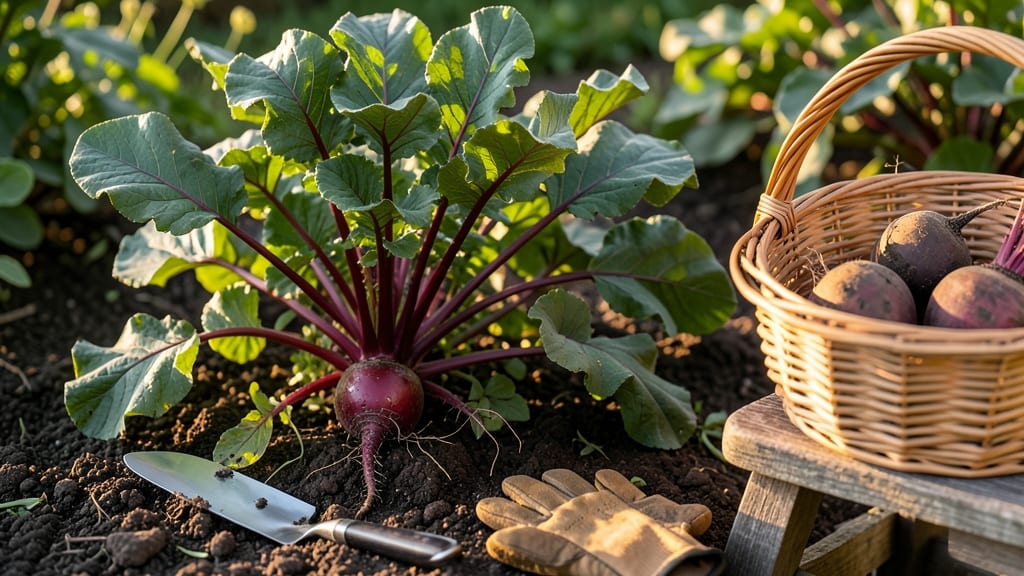
Harvesting beets from the garden when their roots are 1-3 inches wide and tops reach 4-6 inches ensures the sweetest, tender flavor 🍠—and skipping this window means tough, bitter roots.
Picture this: you’ve waited months for those deep red or golden globes to swell in the soil, only to pull them too late and end up with woody, overgrown messes. The difference between perfect beets and regret comes down to timing, size, and color cues you might be missing.
In this guide, I’ll walk you through the exact signs to watch for—from root diameter to leaf color—and how to adjust for your climate or variety. You’ll also learn how to avoid the most common mistakes that turn great harvests into disappointments.
By the end, you’ll know not just when to harvest, but how to store or use your beets immediately for maximum freshness and flavor.


How to tell when beets are ready by size and color (with visual guide)
Knowing when to harvest beets isn’t just about guessing—it’s about reading the visual cues your plants give you. The root size, leaf color, and even the soil conditions all play a role in determining peak harvest time.
For example, the Detroit Dark Red variety matures differently than the Chioggia with its stunning rings, so variety matters. Let’s break down the exact signals to watch for, so you never pull beets too early (and miss that sweetness) or too late (and end up with woody roots).
First, focus on the root diameter, which is the most reliable indicator. Most beet varieties are ready when their roots reach 1 to 3 inches in diameter.
For baby beets, aim for the smaller end of this range (1–2 inches), while larger varieties like Golden or Detroit can wait until they’re closer to 3 inches.
If you’re growing Chioggia beets, their striped patterns become more pronounced as they mature, making them especially rewarding to harvest at the right time.
Next, check the top greens for color and health. Vibrant, deep green leaves signal readiness, while yellowing or wilting means it’s past prime. For baby beets, the greens should be about 4 to 6 inches tall, while mature varieties can have foliage reaching 12+ inches.
If the greens start to bolt (send up flower stalks), your beets have passed their sweet window.
The soil check is often overlooked but critical. Gently loosen the soil around the base of the plant to see if the root has filled out evenly. If the soil feels dry or cracked, your beets may have slowed growth, while consistently moist soil ensures steady development.
Overly wet soil can lead to split roots, so balance is key.
| Beet Variety | Root Size (Diameter) | Top Greens Color | Soil Check | Days to Harvest | Flavor Profile |
|---|---|---|---|---|---|
| Detroit Dark Red | 2–3 inches | Deep green | Moist, firm | 50–60 days | Earthy, sweet |
| Chioggia (Striped) | 1.5–2.5 inches | Bright green | Consistently damp | 45–55 days | Mild, colorful |
| Golden | 2–3 inches | Lime-green | Well-drained | 50–65 days | Sweet, nutty |
| Baby Beets (e.g., 'Little Ball') | 1–1.5 inches | Dark green | Lightly moist | 30–40 days | Tender, crisp |
Timing also depends on your climate and season. In cooler spring or fall weather, beets mature faster, while hot summer conditions can slow growth. If you’re growing in containers, harvest slightly earlier—roots in pots may develop more quickly due to limited space.
Always prioritize consistent moisture; beets need about 1 inch of water per week, but avoid waterlogging, which can cause roots to split.
One pro tip: Harvest in the morning when roots are crisp and flavorful. Use a garden fork to loosen the soil around the beet, then gently pull it out—never twist, as this can damage the root.
If the beet resists, it’s not ready yet. For Chioggia varieties, the striped pattern becomes more vivid as they mature, so wait until the colors are vivid before harvesting for the best visual appeal.
Don’t ignore the greens, either! While the roots are the star, the leaves are packed with nutrients like vitamin K and iron. If the greens start to yellow or bolt, harvest the roots immediately—they’ll be at their sweetest before the plant shifts energy to flowering.
For Detroit Dark Red beets, the deeper the red color, the sweeter the root, so aim for a rich hue before pulling.
Finally, if you’re unsure, do a test harvest. Pull one beet and check its size, color, and texture. If it’s small or still firm, wait a few more days. If it’s perfect, it’s time to harvest the rest!
Remember, beets store well in the fridge for up to 2 weeks, so you can harvest a little early if you’re not ready to cook them all at once.
With these cues, you’ll never guess when to harvest beets again—just watch, wait, and enjoy that perfect sweet, earthy crunch! 🍠
Common harvesting mistakes that ruin beet flavor (and how to avoid them)
Even the most patient gardeners can end up with disappointing beets if they harvest at the wrong time or mishandle storage. I’ve learned the hard way that over-mature roots develop tough, woody textures, while under-watered plants shrink into bitter nubs.
The good news? These mistakes are easy to avoid with a few simple adjustments to your harvesting routine and post-pick care.
One of the biggest culprits is waiting too long to harvest. Beets left in the ground past their prime don’t just lose sweetness—they start splitting or developing hollow cores.
I once left a batch of Detroit Dark Red beets in the soil for two weeks past ideal harvest time, and the results were sadly inedible. The lesson? Pay attention to size and color cues rather than guessing based on days since planting.
⚠️ callout-warning ⚠️
🚨 Harvest Beets BEFORE These Signs Appear
- 🔴 Roots splitting in soil → Crowded plants compete for nutrients. Thin seedlings to 3-4 inches apart early.
- 🌱 Yellowing or bolting greens → Heat stress or drought triggers flowering. Harvest immediately if tops turn yellow.
- 💧 Wilting despite moist soil → Over-maturity or root damage. Check for woody texture when sliced.
✅ Pro Tip: Use a garden fork to loosen soil before pulling—this prevents root damage and makes harvest easier.
Another common mistake is ignoring watering consistency. Beets need steady moisture to develop sweet, tender roots. I once skipped watering during a 90°F heatwave, and my beets turned small, tough, and bitter-tasting.
To avoid this, water deeply every 2-3 days during dry spells, focusing on the root zone rather than just the leaves.
Improper storage also ruins beet flavor faster than you’d think. Storing freshly harvested beets in plastic bags with moisture leads to rot within days.
Instead, I cure them by leaving them in the sun for 1-2 hours to toughen the skin, then store them in sand or a paper bag in the fridge. This keeps them crisp and sweet for up to 3 months.
For container gardeners, overcrowding is a silent flavor killer. Beets in pots need at least 6-inch spacing to develop properly. Last season, I packed my 5-gallon containers too tightly, and the roots grew gnarled and misshapen.
If you’re short on space, opt for baby beet varieties like ‘Babybeat’ or ‘Little Ball’—they mature in just 40 days and thrive in smaller pots.
Finally, don’t overlook the greens! Beet tops are edible and packed with nutrients, but if you let them bolt or turn stringy, they’ll lose flavor. Harvest the greens first by cutting leaves 1-2 inches above the soil, leaving the roots to grow larger.
This two-stage harvest extends your beet season and reduces waste.