
Shrubs
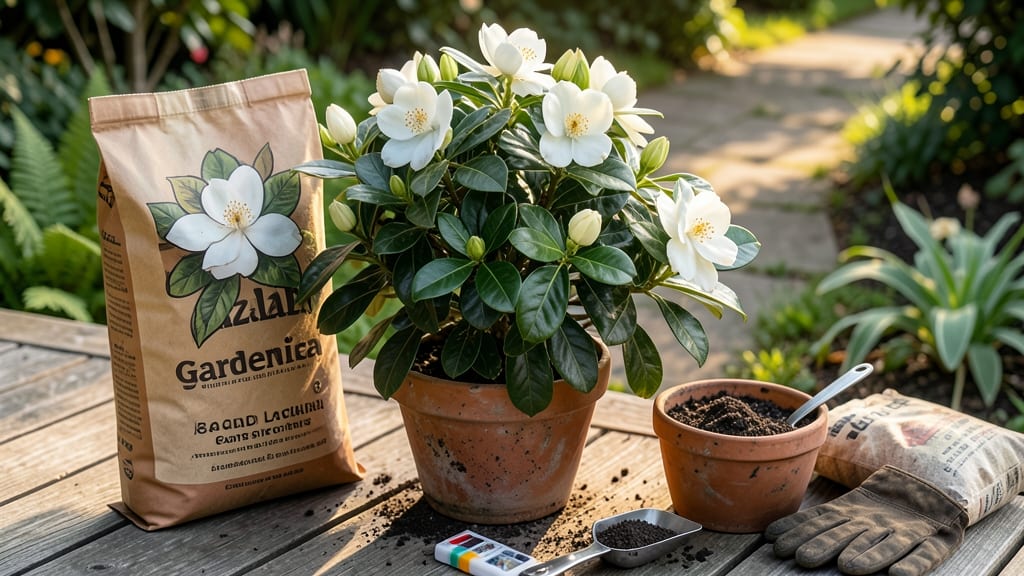
Fertilizing gardenias at the right time 🌸 is the secret to lush foliage and those signature fragrant blooms you’re dreaming of.
Picture this: You’ve nurtured your gardenia all winter, and now it’s spring—just when you think it’s ready to burst into bloom, you notice buds dropping before they open. That’s the sign you missed the critical fertilization window, and it happens to more gardeners than you’d think.
Gardenias thrive when fed lightly in spring to kickstart growth, then heavily in summer to fuel flowering, but the timing matters just as much as the type of fertilizer.
Too early, and you’ll end up with leafy monsters instead of blooms. Too late, and you’ll miss the peak bloom season entirely.
In this guide, I’ll walk you through the exact seasonal schedule—when to feed, what to use, and how to tell if your gardenia is hungry or just taking a break.
By the end, you’ll know exactly when to reach for that fertilizer spoon to keep your gardenia thriving year after year.

Optimal fertilization timeline for gardenia blooms by season
Gardenias thrive on a precise fertilization schedule that aligns with their natural growth cycles. Unlike many plants, gardenias need less fertilizer in winter and more during bloom season.
Timing is everything—feed too early, and you’ll get leafy growth instead of fragrant flowers. Too late, and your blooms may be sparse or weak.
I’ve grown gardenias for over a decade, and the difference between a bloom-heavy shrub and a leafy disappointment often comes down to when—and how—you feed them. Gardenias are acid-loving plants, so we’ll focus on fertilizers that maintain their ideal pH of 5.0–6.5.
Let’s break down the monthly schedule to keep your gardenia thriving.
| Month | Action | Fertilizer Type | Notes |
|---|---|---|---|
| January | Skip | None | Plant is dormant; avoid disturbing roots. |
| February | Skip | None | Wait for new growth before feeding. |
| March | Light Feed | Balanced 10-10-10 (organic or synthetic) | Use half-strength to encourage spring growth. |
| April | Feed | Acid-loving fertilizer (8-3-9) | Apply when buds form; repeat every 4 weeks. |
| May | Feed | Fish emulsion or compost tea | Organic options boost bloom quality. |
| June | Light Feed | Slow-release granules | Reduce frequency to avoid leaf burn. |
| July | Light Feed | Balanced fertilizer (10-10-10) | Support root health before dormancy. |
| August | Feed | Acid-loving blend | Final feed before fall; avoid nitrogen-heavy options. |
| September | Light Feed | Compost or worm castings | Gentle organic boost for root strength. |
| October | Skip | None | Plant prepares for winter; no feeding needed. |
| November | Skip | None |
Signs your gardenia needs fertilizer (and when to skip it)Your gardenia might look lush, but those glossy leaves can hide a nutrient deficiency. If your plant is producing fewer blooms than usual or the leaves are turning yellow between veins, it’s likely begging for a balanced fertilizer. These signs indicate your gardenia isn’t getting enough nitrogen, phosphorus, or micronutrients to support its growth and flowering. Another red flag is slow growth or stunted new shoots. Gardenias are hungry plants, especially during their spring and summer blooming seasons. If you notice your plant isn’t putting out fresh leaves or flowers as eagerly as before, it’s time to assess its nutrient needs. Even bud drop—where buds form but fall off before blooming—can signal a fertilizer deficiency or imbalance. ⚠️
⚠️ When NOT to Fertilize Your GardeniaNever fertilize when your gardenia shows signs of stress from overwatering (yellow leaves with crispy edges) or root rot (mushy stems or foul-smelling soil). Fertilizing in these cases will burn roots and worsen the problem. Also, skip feeding during winter dormancy (November–February) unless you’re in a frost-free zone. If your soil is already acidic (pH 5.0–6.0) and you’ve fertilized recently, wait 6–8 weeks before reapplying. Gardenias are sensitive to salt buildup from excess fertilizer, which can cause leaf scorch or stunted growth. One of the most common mistakes gardeners make is over-fertilizing in hopes of more blooms. If you notice brown leaf tips or leaf drop, you’ve likely overdone it. This happens when fertilizer salts accumulate in the soil, making it harder for roots to absorb water. To fix it, flush the soil with water (2–3 gallons per plant) and hold off on fertilizing for 2–3 months while you let the plant recover. For container-grown gardenias, check the roots every 6 months. If roots are circling the pot or you see white, stringy roots (a sign of root-bound stress), it’s time to repot and refresh the soil. Add a slow-release fertilizer like osmocote or fish bone meal to the new potting mix to avoid shocking the plant with a sudden nutrient boost. If your gardenia is healthy but not blooming, the issue might be light or pruning rather than fertilizer. Ensure it gets morning sun and afternoon shade and prune spent blooms regularly. However, if the plant is leafy but flowerless despite proper light, a low-phosphorus fertilizer (like 8-3-9) can help shift its energy toward blooming instead of foliage. Pro tip: Use a soil test kit ($10–$20) to check pH and nutrient levels before fertilizing. Gardenias thrive in acidic soil (pH 5.0–6.0). If your soil is alkaline, amend it with sulfur or pine needles before feeding. This ensures your fertilizer will work effectively rather than sitting unused in the soil. |