
Fertilization
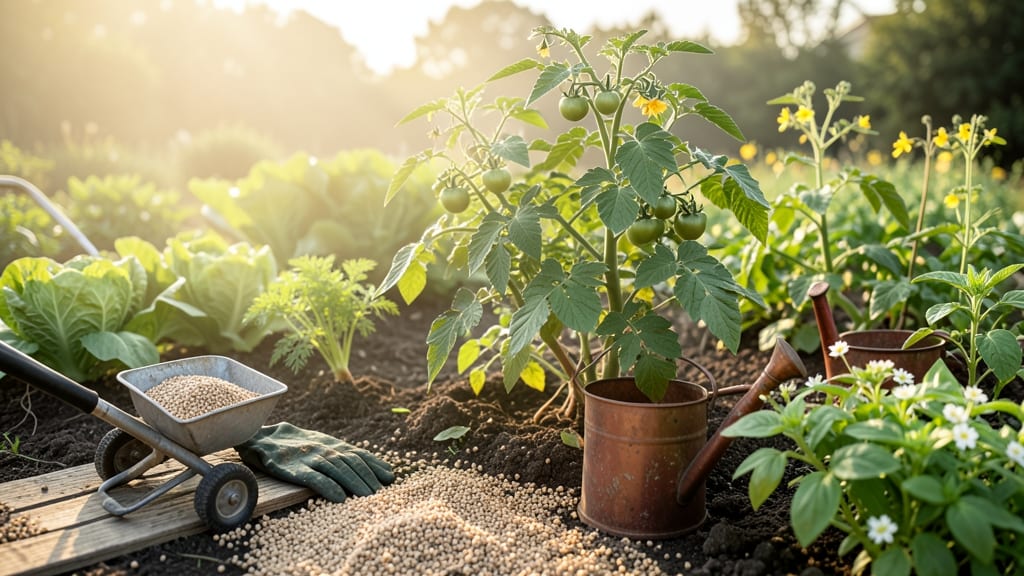
You should fertilize your garden at the right times to avoid wasting nutrients or burning plants—spring is the first critical window, but timing varies wildly by what you’re growing.
Timing your garden fertilization perfectly can mean the difference between a thriving harvest and struggling plants—yet most gardeners either over- or under-fertilize at the wrong times. A quick soil test before planting can save you from costly mistakes, like adding too much nitrogen when your veggies need phosphorus for roots.
For vegetables, start feeding 4-6 weeks before planting in spring, then again when they’re half-grown and again at flowering. Flowers and lawns follow different rules—annuals need a boost at planting, while perennials often do best with a light spring and fall feeding.
Climate matters too: tropical zones may fertilize year-round, while cooler regions skip winter. Below, I break down the exact schedule for your plants, plus how to spot over-fertilizing (like crispy leaf edges) and fix it fast.

Seasonal fertilization schedule for vegetables, flowers, and lawns
Fertilizing your garden at the right time ensures strong roots, vibrant blooms, and bountiful harvests—but timing varies dramatically between vegetables, flowers, and lawns. Cool-season plants like lettuce thrive with early spring feeding, while warm-season tomatoes need summer boosts.
Even your lawn has different needs in spring versus fall. Let's break down the perfect schedule by season and plant type to maximize your garden's potential.
Climate plays a huge role: temperate zones (USDA 5-8) follow a clear spring-to-fall cycle, while tropical/subtropical regions (USDA 9-11) may fertilize year-round with lighter applications during rainy seasons. Always test your soil first—most gardens benefit from a balanced fertilizer (10-10-10) in spring, with targeted boosts later.
Over-fertilizing in summer can burn plants, while skipping fall feeding weakens winter hardiness.
| Season | Vegetables | Flowers | Lawns | Notes |
|---|---|---|---|---|
| Early Spring (March-April) | Pre-plant: 10-10-10 or compost | Bulb fertilizers (high phosphorus) | Slow-release spring blend | Test soil pH first (ideal: 6.0-7.0) |
| Late Spring (May) | Side-dress with nitrogen | Liquid bloom booster | Second spring feeding | Avoid high-nitrogen in flowers |
| Summer (June-August) | Every 3-4 weeks (5-10-10) | Monthly bloom enhancers | Monthly summer blend | Water deeply after fertilizing |
| Early Fall (September) | Light feeding for late crops | Reduce to monthly | Fall transition fertilizer | Stop fertilizing 6 weeks before frost |
| Late Fall (October-November) | None (except compost) | Winterizing fertilizer | Winterizer with potassium | Protects roots through winter |
For vegetables, focus on nitrogen-heavy feeds during active growth (spring and summer), but switch to phosphorus-rich fertilizers when plants flower or fruit. My tomatoes always get a potassium boost in late summer to prevent blossom-end rot.
Flowers, however, respond best to phosphorus in early spring to encourage root development, then switch to bloom-specific fertilizers once buds form.
Lawns have different needs: cool-season grasses (like fescue) need most of their feeding in early spring and fall, while warm-season grasses (like Bermuda) peak in late spring through summer.
I always apply a slow-release fertilizer in spring to avoid burning my lawn, then top-dress with compost in fall to improve soil structure over winter. Over-fertilizing in summer can lead to thatch buildup and fungal issues.
In tropical climates, fertilize more frequently but with lighter applications—every 4-6 weeks instead of monthly. Use organic options like fish emulsion or worm castings to avoid salt buildup in sandy soils. For container gardens, fertilize every 2-3 weeks during growing season but reduce by half in winter.
Always water thoroughly after applying fertilizer to prevent root burn and ensure nutrients reach the soil.
One common mistake is fertilizing newly planted perennials too heavily—they need time to establish roots. Instead, focus on compost and mulch in the first year. For houseplants, reduce feeding in winter when growth slows.
The key is matching your fertilization schedule to your plants' natural growth cycles, not just the calendar. Start with a soil test to identify deficiencies, then adjust your plan accordingly.
Remember, organic fertilizers release nutrients slowly, while synthetic fertilizers provide immediate results. I prefer a mix of both: compost for long-term soil health and synthetic granules for quick fixes during critical growth stages. Always follow the package instructions for application rates, and consider using a fertilizer spreader for even distribution
Plant-specific fertilization timing by growth stage
Every plant has unique nutritional needs that change dramatically as it grows. Leafy greens, fruiting plants, perennials, and annuals all respond best to fertilization at specific growth stages. Ignoring these windows can lead to stunted growth, poor yields, or even plant death.
For example, feeding tomatoes too early won’t help their fruit production—it’s all about the right timing.
Organic fertilizers like compost or fish emulsion release nutrients slowly, while synthetic fertilizers provide immediate boosts. Understanding these differences helps you adjust your schedule for maximum efficiency. Whether you’re growing basil for your kitchen or roses for your garden beds, precision matters.
- 1 Seedling Stage: Use low-nitrogen fertilizer (5-10-5) to avoid burning tender roots. Ideal for leafy greens like spinach and kale.
- 2 Vegetative Stage: Shift to balanced fertilizer (10-10-10) for fruiting plants like peppers and eggplants to encourage leafy growth.
- 3 Flowering Stage: Boost phosphorus (5-20-10) for blooming perennials like roses and lavender to support flower development.
- 4 Fruiting Stage: Use potassium-rich fertilizer (0-0-50) for tomatoes and peppers to enhance fruit quality and disease resistance.
- 5 Organic Adjustments: Apply compost or worm castings every 4-6 weeks during active growth. Avoid synthetic fertilizers in late summer for perennials.
For annuals like marigolds or sunflowers, focus on early-season fertilization to establish strong roots before blooming. In contrast, perennials like asparagus benefit from spring and fall feedings to build reserves for next year’s growth.
Synthetic fertilizers work fastest but require careful monitoring to avoid nutrient burn. Organic options like compost tea or bone meal are gentler and improve soil health long-term. Always water after fertilizing to help nutrients absorb into the soil.
Adjust your schedule based on your climate zone. In warmer regions, fertilize more frequently during the growing season, while cooler climates may only need 2-3 feedings per year. Pay attention to your plants—they’ll tell you when they need more!
Remember, less is often more. Over-fertilizing can harm your plants just as much as under-fertilizing. Start with a soil test to understand your garden’s baseline needs, then adjust accordingly. Happy growing! 🌿