
Fertilization
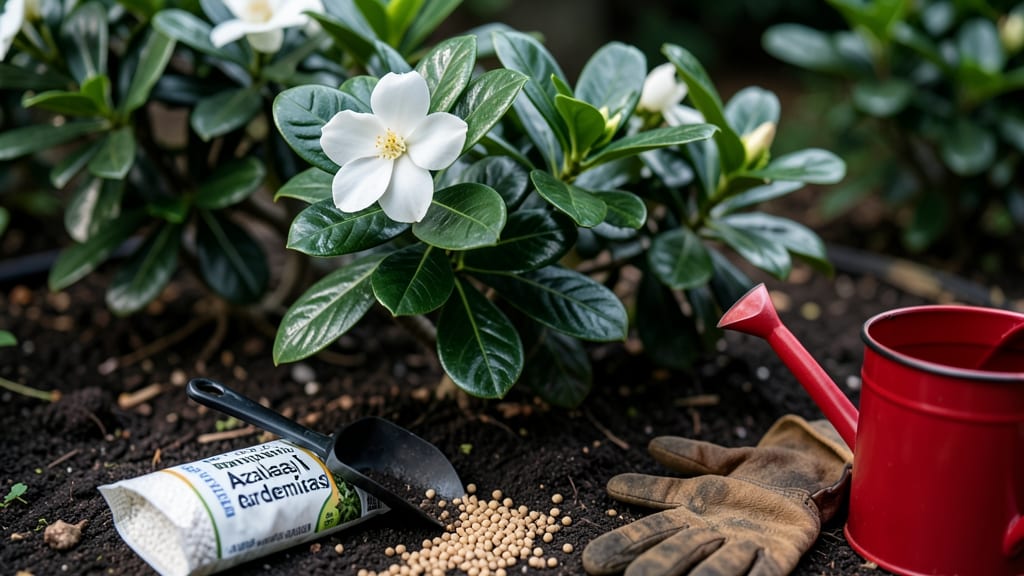
A gardenia tree needs the right fertilizer to thrive and produce those fragrant 🌸 blooms you love—here’s how to pick and apply it for maximum impact.
Picture this: your gardenia’s leaves are glossy, but the buds never open. That’s often a sign of the wrong fertilizer or soil pH, not just a lack of care. The key to lush growth lies in feeding it with the right nutrients at the right time—something many gardeners overlook.
In this guide, you’ll discover the best organic and synthetic fertilizers for gardenias, the ideal pH range (4.5–6.0), and a seasonal feeding schedule that keeps your plant happy year-round. No more guesswork—just vibrant blooms and healthy foliage.
We’ll break down when to fertilize, how much to use, and even how to fix common mistakes like over-fertilizing or ignoring soil acidity. Ready to transform your gardenia into a thriving, fragrant centerpiece?

Optimal pH levels & soil requirements for gardenia trees
Gardenia trees thrive when their soil mirrors their natural tropical habitat—a highly acidic environment with a pH range of 4.5 to 6.0. If your gardenia’s leaves yellow or drop prematurely, it’s likely a pH imbalance or poor soil structure.
Unlike many plants, gardenias refuse to bloom in alkaline soil, making acidic soil maintenance your top priority for fragrant, abundant flowers.
To achieve the perfect growing environment, focus on three key elements: soil acidity, organic matter content, and drainage quality. Gardenias despise soggy roots but also can’t tolerate dry, compacted soil.
The solution? A well-amended, loamy mix with peat moss or pine bark to retain moisture while allowing excess water to escape.
Testing your soil’s pH is the first step. Grab a digital pH meter or home test kit (available at garden centers for under $15). Insert the probe into moist soil around your gardenia’s roots, then wait 30 seconds for a reading.
If the pH reads above 6.5, your gardenia is in danger—it’s time to lower the pH with organic amendments.
Here’s how to adjust your soil’s acidity naturally. For every 1-point pH increase (e.g., from 6.5 to 7.5), mix in 2-3 pounds of elemental sulfur per 100 square feet of soil.
Work it into the top 6 inches of soil and water thoroughly. Sulfur takes 2-4 weeks to lower pH, so retest before fertilizing.
Peat moss is another gardener’s secret weapon. It’s acidic by nature (pH 3.5–4.5) and improves soil structure. Spread a 2-inch layer over the root zone, then lightly scratch it into the topsoil.
Pair it with composted pine needles for extra acidity and nutrients. This combo mimics the forest floor where gardenias grow wild.
| Soil Requirement | Specification | Organic Amendment |
|---|---|---|
| pH Level | 4.5–6.0 (acidic) | Elemental sulfur or peat moss |
| Drainage | Well-draining, no waterlogging | Perlite or coarse sand |
| Organic Matter | High (30–50%) | Composted pine bark or leaf mold |
| Moisture Retention | Consistently moist | Coco coir or sphagnum moss |
| Micronutrients | Iron, magnesium, zinc | Epsom salt (magnesium) or chelated iron |
Mulching is a game-changer for gardenias. Apply a 3-inch layer of pine straw or shredded bark around the base of your tree, keeping it 2 inches away from the trunk to prevent rot.
Mulch retains moisture, regulates soil temperature, and slowly releases organic acids as it breaks down. Replenish it annually to maintain its benefits.
If your gardenia is potted, repotting every 2-3 years with fresh acidic potting mix is essential. Use a blend designed for azaleas or camellias, which share the same pH needs.
Add a handful of sphagnum peat moss to the mix to boost acidity. Always use pots with drainage holes—gardenias hate soggy roots, even in containers.
Yellowing leaves? It’s often a sign of iron deficiency, common in acidic soils. Sprinkle 1 tablespoon of Epsom salt (magnesium sulfate) around the root zone every 2 months during the growing season.
For a quick fix, mix 1 teaspoon of Epsom salt with 1 gallon of water and apply as a foliar spray. Repeat weekly until new growth appears.
Remember, gardenias are sensitive to sudden changes. Adjust soil pH and amendments gradually—a 1-point pH shift per month is safest. Pair these soil tweaks with a balanced, acid-loving fertilizer (like a 6-6-6 NPK blend) to fuel those iconic white blooms.
With the right pH and soil, your gardenia will reward you with glossy foliage and intoxicating fragrance all season.
🌸
Best fertilizers for gardenia trees: organic vs. synthetic options
Choosing the right fertilizer for gardenia trees can make the difference between sparse blooms and lush, fragrant flowers. Gardenias thrive on acid-loving fertilizers with balanced NPK ratios (6-6-6 or 8-3-9) and micronutrients like iron and magnesium.
But with so many options—organic, synthetic, slow-release—how do you decide? Let’s break down the best choices and what to avoid.
One of the most popular options is an azalea/camellia blend, specifically formulated for acid-loving plants. These blends typically contain low nitrogen (to avoid leafy growth at the expense of flowers) and higher phosphorus for blooming.
Synthetic options like Miracle-Gro Azalea, Camellia, and Rhododendron Food are convenient and fast-acting, but they can disrupt soil pH over time if overused.
For organic gardeners, fish emulsion or composted manure (like worm castings) provide slow-release nutrients while improving soil structure. Coffee grounds are another free, acidic amendment—just mix them into the soil or use them as mulch.
However, they should never be used alone as a fertilizer, as they lack essential nutrients.
🌿
🌱 Fertilizer Options for Gardenia Trees
When applying fertilizer, always follow the label instructions and apply in early spring as new growth begins. For potted gardenias, reduce the amount by half to avoid root burn. During dormancy (winter), skip fertilizing entirely—your gardenia stores energy for next year’s blooms without needing extra nutrients.
For the best results, combine fertilizers with regular soil pH testing (aim for 4.5–6.0). If your soil is too alkaline, amend it with peat moss or sulfur before fertilizing. Over time, you’ll find the perfect balance for vibrant, fragrant blooms that make your gardenia the star of the show.
🌸