
How To
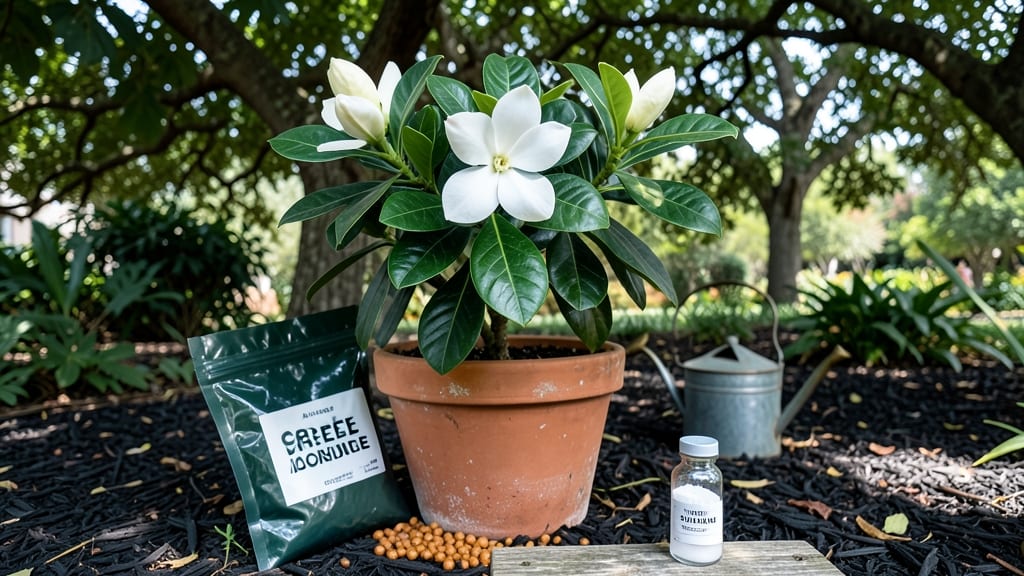
Fertilizing gardenias at the right time 🌸 is the game-changer between a shrub that bursts with fragrant blooms and one that struggles to produce.
Picture this: You’ve spent months nurturing your gardenia, only to watch it throw out a handful of flowers before fading back into dull green. The issue isn’t your soil or watering—it’s the timing. Too early, and you’ll spur weak growth; too late, and you miss the blooming window entirely.
In Zone 6, the best time to fertilize gardenias is early spring, just as new growth emerges, and again after flowering to prep for next season. But here’s the catch: regional climates shift those windows, and overdoing it can burn roots faster than you’d think.
Below, I’ll break down the exact schedule—when to feed, what to use, and how to spot the signs your gardenia is begging for (or rejecting) nutrients. No more guesswork, just lush blooms all season.

Optimal fertilizing schedule for gardenias by season
Timing your gardenia fertilizer applications is the secret weapon for vibrant blooms. These acid-loving shrubs thrive when fed during their active growth phases, but over-fertilizing can burn roots or delay flowering. The key is understanding seasonal growth cycles and adjusting your schedule accordingly.
Gardenias follow a clear seasonal pattern: spring awakening (March-May), summer blooming peak (June-August), and winter dormancy (November-February). Each phase requires different care, including fertilizer timing. Even your USDA hardiness zone plays a role—warmer climates may extend the growing season by 2-3 months.
For example, gardenias in Zone 8-10 can bloom year-round, while those in Zone 6-7 need a strict spring/summer feeding schedule. The table below breaks down the perfect timing for each month, plus climate-specific adjustments.
| Month | Zone 6-7 Schedule | Zone 8-10 Schedule | Fertilizer Type | Key Notes |
|---|---|---|---|---|
| January | None | None | — | Dormancy period; focus on mulching. |
| February | None | Light feed (organic) | Fish emulsion | Warmer zones: Stimulate early growth. |
| March | Light feed | Feed | 10-10-10 or 8-3-9 | Use acid-loving fertilizer to prep for blooming. |
| April | Feed | Feed | Slow-release granules | Peak growth phase; feed every 4-6 weeks. |
| May | Feed | Feed | Bloom booster (10-20-20) | Switch to phosphorus-rich fertilizer for flowers. |
| June | Light feed | Light feed | Organic compost | Reduce nitrogen to avoid leafy growth over blooms. |
| July-August | None | None | — | High heat stress; avoid fertilizing. |
| September | None | Light feed (organic) | Bone meal | Prep for next season's blooms in warm zones. |
| October-December | None
Signs your gardenia needs fertilizer (and when to avoid it)Your gardenia might be silently screaming for nutrients—even if it’s not obvious at first glance. Yellowing leaves, especially on older foliage, often signal nitrogen deficiency, while sparse blooms or buds that drop before opening can mean phosphorus is lacking. Don’t overlook stunted growth either; it’s a classic sign your plant’s roots aren’t getting the fuel they need to thrive. But here’s the catch: over-fertilizing can be just as harmful as under-fertilizing. Too much nitrogen leads to lush leaves but fewer flowers, while excess salts from synthetic fertilizers can burn delicate roots. Even organic fertilizers like compost or fish emulsion need careful timing—apply them wrong, and you’ll stress your gardenia instead of helping it. ⚠️ WARNING: When to Fertilize Gardenia (And When to STOP)
⚠️ NEVER fertilize gardenias in:
Pro Tip: Test soil pH first—gardenias thrive in acidic soil (5.0–6.5). If your soil is alkaline, amend it with sulfur or peat moss before fertilizing. If your gardenia’s leaves are yellowing with green veins, it’s likely a magnesium deficiency (Epsom salt can help). For brown leaf tips, check your water quality—it could be fluoride or chlorine buildup from tap water. Wilting despite moist soil? Root rot from overwatering or compacted soil might be the culprit, not a nutrient issue. Organic fertilizers like composted manure or worm castings release nutrients slowly, making them safer for gardenias than synthetic granules. I swear by a fish emulsion application in early spring—just dilute it to half-strength to avoid shocking the plant. For bloom-heavy varieties, a phosphorus-rich fertilizer (like 5-10-5) in late spring can work wonders. Pay attention to new growth after fertilizing. Healthy gardenias should show 2–3 inches of fresh leaves within 4–6 weeks. If you see burnt leaf edges or crispy brown spots, flush the soil with water immediately to dilute excess salts. And remember: less is more—gardenias are sensitive divas that reward patience with perfume-filled blooms. For container gardenias, fertilize every 6 weeks during the growing season, but cut back to every 8 weeks for in-ground plants. Mulch with pine needles or oak leaves to mimic their native acidic forest floor—this slows nutrient loss and keeps roots cool. If your gardenia’s blooms are small or lack fragrance, it’s begging for a potassium boost (try banana peel tea or a balanced fertilizer). |