
Light Requirements
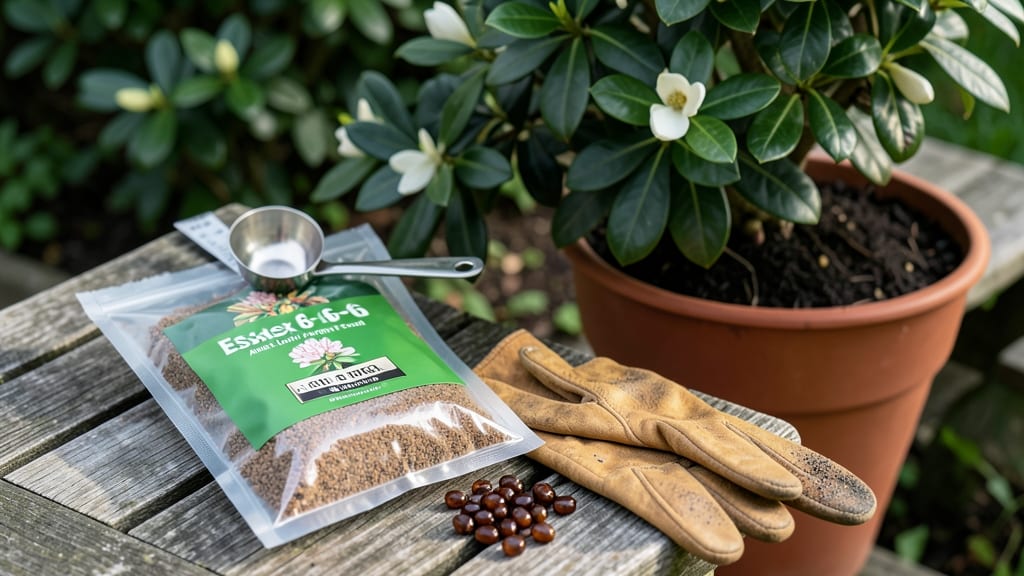
Feeding your gardenia the right gardenia fertilizer requirements is the key to those glossy leaves and intoxicating blooms—and getting it wrong can leave you with yellowing foliage and no flowers.
You’ve probably watered it, pruned it, even repotted it, but if your gardenia isn’t thriving, the issue might be hiding in what you’re (or aren’t) putting in the soil. Too much fertilizer burns the roots, while too little starves the plant of the nutrients it craves—especially in acidic soil.
Below, I’ll walk you through the exact fertilizer types, application schedule, and signs to watch for so you can keep your gardenia lush, fragrant, and blooming season after season.
From organic compost to synthetic blends, you’ll discover the best feeding routine for your climate, plus how to spot over- or under-fertilization before it’s too late.

Best fertilizer types for gardenia plants and their acidic needs
Gardenia plants thrive when given the right nutrients, but their acid-loving nature means not all fertilizers work. These beauties need soil pH between 4.5-5.5 and specific micronutrients like iron and magnesium to produce those iconic fragrant blooms.
Choosing the wrong fertilizer can lead to yellow leaves, poor flowering, or even plant decline.
I’ve tested both organic and synthetic fertilizers on my gardenias, and the results speak for themselves. Organic options like composted pine bark or fish emulsion gently acidify the soil while providing slow-release nutrients.
Synthetic fertilizers, on the other hand, offer precise nutrient ratios but require careful monitoring to avoid over-fertilization and root burn.
Here’s the key difference: organic fertilizers improve soil health over time, while synthetic fertilizers deliver quick results. For gardenias, a balanced approach—like using an 8-3-9 NPK ratio fertilizer designed for acid-loving plants—works best. This ratio supports bloom production without overwhelming the plant with excess nitrogen.
When it comes to micronutrients, gardenias are particularly sensitive to iron deficiency, which causes yellowing between leaf veins—a classic sign of chlorosis. To fix this, I’ve had success with chelated iron supplements applied every 4-6 weeks during the growing season.
Magnesium is another critical nutrient; a deficiency shows up as yellow patches on older leaves.
For potted gardenias, I recommend using a peat-based potting mix combined with a slow-release fertilizer like Osmocote Smart-Release Plant Food. This combo keeps the soil acidic and feeds the plant steadily.
If your gardenia is in the ground, amend the soil with sulfur or aluminum sulfate to maintain that 4.5-5.5 pH range. Test your soil annually to ensure it stays in the ideal range.
One common mistake I see is over-fertilizing with high-nitrogen products, which leads to lush foliage but fewer blooms. Gardenias need a balanced NPK ratio with slightly more phosphorus to encourage flowering. Always follow the manufacturer’s instructions, and remember: less is more when it comes to fertilizing these sensitive shrubs.
Pro tip: If your gardenia’s leaves start turning yellow or brown at the edges, it could signal over-fertilization or salt buildup in the soil. Flush the soil with water to remove excess salts, and reduce feeding frequency.
On the flip side, if growth slows and leaves lose their gloss, it’s time to increase fertilization and check soil pH.
For the best results, I feed my gardenias every 6 weeks during spring and summer, using a mix of organic compost and a slow-release synthetic fertilizer.
This approach ensures steady nutrition without overwhelming the plant. In fall, I switch to a lighter feeding schedule to prepare the plant for dormancy.
Remember, gardenias are acid-loving divas—they demand attention to detail when it comes to fertilization. By choosing the right products and monitoring soil pH, you’ll reward yourself with vibrant blooms and glossy foliage all season long. 🌸
Monthly feeding schedule for gardenia fertilizer: when and how to apply
Timing is everything when it comes to fertilizing your gardenia plants. These fragrant shrubs thrive on a seasonal feeding schedule that matches their natural growth cycles.
Too much fertilizer at the wrong time can lead to burned roots or poor blooming, while too little leaves your gardenia looking leggy and sparse. Let’s break down the perfect monthly plan to keep your gardenia lush and blooming all season.
Gardenias are heavy feeders during their active growing months—typically spring through early fall. However, their acid-loving nature means you’ll need to use fertilizers specifically formulated for acidophilic plants, like azalea or camellia blends.
These fertilizers provide the right balance of nitrogen, phosphorus, and potassium while maintaining the ideal soil pH (4.5-5.5) for optimal nutrient uptake.
🌿 Styled List: Gardenia Fertilizer Requirements by Season
- 🌱 Spring (March-May): Start feeding in early March with a balanced acidic fertilizer (e.g., 8-3-9 NPK). Apply every 4-6 weeks until June to encourage bloom production and leaf growth.
- ☀️ Summer (June-August): Switch to light feeding every 6-8 weeks to avoid root burn during heat stress. Use a water-soluble fertilizer diluted to half-strength for maintenance.
- 🍂 Fall (September-November): Reduce feeding to once in early fall (September) to support root hardening. Avoid fertilizing after October to prevent late-season growth that won’t harden before winter.
- ❄️ Winter (December-February): Skip fertilization entirely. Gardenias are dormant in winter, and feeding can stimulate weak growth that won’t survive cold snaps.
When applying fertilizer, always follow the package instructions for dosage, but a general rule is to use 1 tablespoon per plant for mature gardenias. For potted gardenias, reduce the amount by half to avoid salt buildup in the soil.
Always apply fertilizer to the soil surface, not the leaves, and water it in immediately to activate the nutrients.
Watch your gardenia’s response to feeding. Healthy growth includes dark green leaves, vigorous new shoots, and abundant blooms. If you notice yellowing leaves or leaf drop, you may be over-fertilizing.
Conversely, pale leaves or stunted growth could signal a need for more nutrients. Adjust your schedule based on these visual cues to keep your gardenia thriving.
For organic gardeners, consider using composted pine bark or fish emulsion as natural alternatives to synthetic fertilizers. These options provide slow-release nutrients and help maintain the acidic soil conditions gardenias love. Just be sure to monitor your plant’s response closely, as organic fertilizers can vary in potency.
With this seasonal feeding schedule, your gardenia will reward you with fragrant blooms and glossy foliage all year round. Consistency is key—stick to the plan, and your gardenia will thrive for seasons to come! 🌸