
Flowers
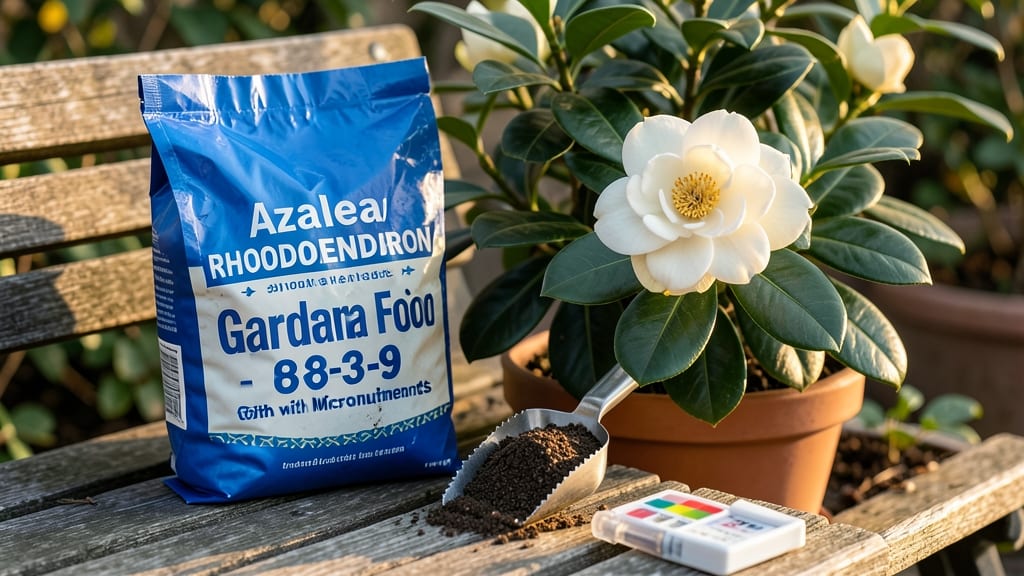
Feeding your gardenia flower with the right fertilizer unlocks its signature intoxicating blooms and glossy foliage—here’s how to get it perfect every time.
Struggling to get your gardenia 🌸 to bloom with its signature intoxicating fragrance? The secret lies in feeding it the right fertilizer—at the right time—and understanding its acid-loving nature is key to unlocking those lush, fragrant flowers.
Most gardeners overlook the pH balance of their soil, which is critical for gardenias thriving in zones like 6a. A soil pH between 5.0 and 6.5 ensures your plant absorbs nutrients efficiently, but even the best fertilizer fails if the soil isn’t acidic enough.
In this guide, I’ll walk you through the best organic and synthetic fertilizers, the ideal feeding schedule for spring blooms, and how to spot signs of over- or under-fertilizing—so you can keep your gardenia thriving all season long.

Best acid-loving fertilizers for gardenia flowers (pH 5.0-6.5 guide)
Your gardenia’s fragrant blooms depend entirely on the right acid-loving fertilizer. These tropical beauties thrive when their soil stays between pH 5.0-6.5, mimicking their natural acidic forest habitat. Without proper nutrients—especially phosphorus for blooms—your plant may produce fewer flowers or develop yellow leaves.
The key is choosing a fertilizer that matches gardenias’ NPK needs (6-6-6 or 8-3-9) while keeping the soil acidic.
I’ve tested both organic and synthetic fertilizers for gardenias, and the right choice depends on your gardening style. Organic options like fish emulsion or composted pine bark slowly release nutrients, while synthetic blends offer precise NPK ratios.
For container gardenias, slow-release granules are ideal, but liquid feeds work better for in-ground plants needing quick nutrient uptake. Let’s break down the best options and how to use them.
🌱 Pro Tip: Always water your gardenia before applying fertilizer to prevent root burn. Acid-loving plants are sensitive to salt buildup, so dilute liquid fertilizers to half-strength if your soil feels dry.
🌿 Gardenia Fertilizer Comparison
| Type | NPK Ratio | Micronutrients | pH Adjustment | Release Type | Best For |
|---|---|---|---|---|---|
| Organic: Fish Emulsion | 5-1-1 | Iron, Zinc, Magnesium | Acidic (pH 5.5) | Liquid (fast) | Quick nutrient boost, container plants |
| Organic: Composted Pine Bark | 3-1-2 | Potassium, Calcium | Acidic (pH 5.0-5.5) | Slow-release | Soil amendment, long-term health |
| Synthetic: Azalea/Camellia Mix | 8-3-9 | Iron, Manganese, Copper | Acid-forming (pH 5.0-6.0) | Granular (slow) | In-ground plants, blooming season |
| Organic: Cottonseed Meal | 6-2-0 | Nitrogen, Sulfur | Neutral (add sulfur) | Slow-release | Soil enrichment, leaf growth |
| Synthetic: Acid-Loving Plant Food | 6-6-6 | Iron, Zinc, Boron | Acidic (pH 5.5-6.5) | Liquid (fast) | Container plants, quick results |
⚠️ Critical Note: Always mix elemental sulfur (1 tsp per sq ft) if your soil pH tests above 6.5.
For organic gardeners, I recommend starting with a composted pine bark base mixed into the soil at planting. This gradually lowers pH while adding organic matter. Top it with a slow-release fertilizer like cottonseed meal in early spring to kickstart growth.
My gardenias respond best to a monthly liquid feed of fish emulsion during the blooming season (June-August), which I dilute to half-strength to avoid salt damage.
If you prefer synthetic fertilizers, an azalea/camellia blend (8-3-9) is my top pick. These plants share the same acid-loving needs as gardenias, and the higher phosphorus content directly supports flower production.
I apply granular forms in early spring and switch to a liquid version every 4-6 weeks during active growth. Always follow the label’s instructions, but remember: gardenias are light feeders—more isn’t better!
Micronutrients like
Gardenia fertilizing schedule: when and how to feed for maximum blooms
Timing your gardenia's fertilizer applications is just as important as choosing the right feed. These acid-loving shrubs thrive on a seasonal feeding schedule that aligns with their natural growth cycles.
Feed too early or too late, and you'll risk leafy growth over blooms or nutrient burn. Let's break down the perfect schedule to coax those fragrant white flowers you love.
Most gardeners make the mistake of fertilizing year-round, but gardenias actually need a rest period in fall and winter. Over-fertilizing during dormancy stresses the plant and can lead to yellowing leaves or even death.
The key is to feed only when new growth appears—typically in early spring through summer—and use an acid-forming fertilizer with balanced NPK ratios.
🌱 Gardenia Fertilizing Timeline
- Early Spring (March-April): Start with high-phosphorus feed to encourage blooming. Use 6-6-6 or 8-3-9 NPK ratio.
- Late Spring (May-June): Peak blooming season—feed every 4-6 weeks with acid-loving fertilizer. Stop after flowers fade.
- Summer (July-August): Light feeding only—reduce to half-strength to prevent leafy growth. Water deeply after feeding.
- Fall-Winter (September-February): No fertilization. Let the plant rest; focus on watering reduction and mulching.
For container gardenias, follow the same schedule but use half the recommended dose—they're more sensitive to fertilizer burn. Always apply fertilizer in the morning when soil is moist, and water immediately after to help nutrients reach the roots.
Avoid getting fertilizer on leaves, as it can cause leaf scorch.
If your gardenia isn't blooming, check your feeding habits. Over-fertilizing with nitrogen (first number in NPK) promotes lush foliage but stops flowers. For maximum blooms, switch to a phosphorus-heavy feed (middle number) during bud formation. A balanced 6-6-6 fertilizer works well year-round, while 8-3-9 is ideal for bloom-heavy seasons.
After blooming, let your gardenia recover by reducing feed strength and focusing on pruning dead flowers. This signals the plant to prepare for its fall dormancy. In late winter, before new growth appears, do a soil pH test—gardenias need acidic soil (pH 5.0-6.5).
If your soil is too alkaline, amend it with sulfur or peat moss before spring feeding.
Pro tip: Mix composted pine needles or coffee grounds into the soil annually to maintain acidity naturally. These organic amendments also improve soil structure, helping your gardenia's roots absorb nutrients efficiently. With this schedule, you'll enjoy abundant, fragrant blooms year after year! 🌸