
Tools
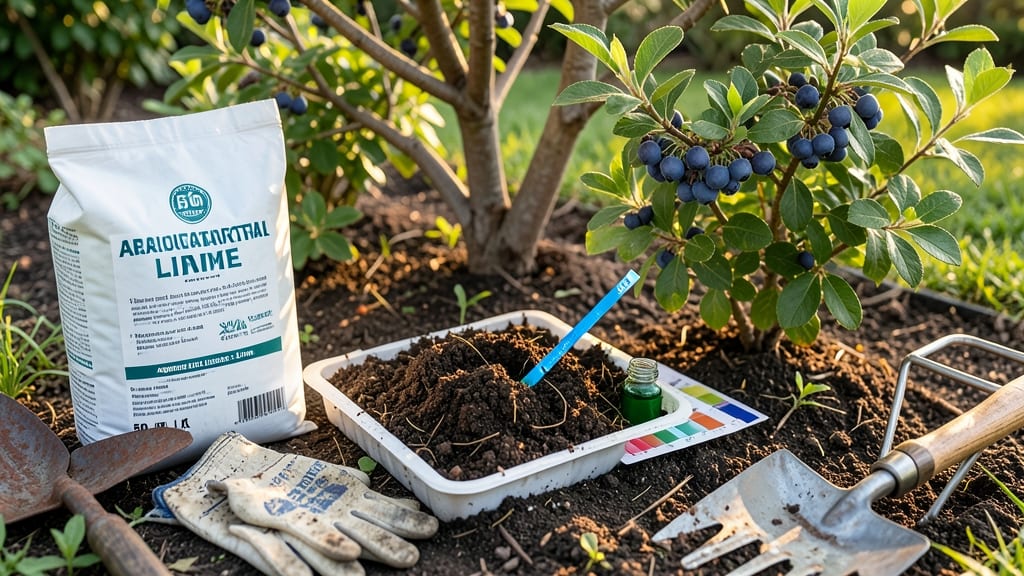
To apply lime to your garden, aim for early fall or late winter when the ground is cool and damp but before planting season kicks off. This window lets the soil chemistry settle properly, preventing root damage or nutrient lockout that can happen if you lime during active growth periods.
Timing matters because soil behaves differently across seasons.
In warmer months, lime can burn tender roots or wash away before it has a chance to work, while cool-season application lets the calcium carbonate gradually dissolve and integrate into the soil structure. 🌱 I've seen gardens where homeowners rushed lime in spring only to watch their plants struggle with magnesium deficiency—proof that patience pays off when adjusting pH.
For best results, test your soil first using a simple DIY kit or lab analysis to confirm you need lime (most plants thrive at pH 6.0-7.0). Once you've determined the right type (pelletized, dolomitic, or agricultural), spread it evenly with a broadcast spreader and lightly rake it in.
The key is working with Mother Nature's schedule, not against it.
💡 In This Article
- How Soil pH Affects Lime Application Timing
- Step-by-Step Guide to Testing and Lime Spread
How soil pH affects lime application timing
Soil pH isn't static—it fluctuates with temperature, moisture, and biological activity.
During warm months (spring/summer), microbial populations explode, accelerating organic matter decomposition which releases acids that lower pH. Lime applied then can get "lost" as these microbes consume it faster than it can adjust pH. In contrast, cool seasons (fall/winter) see reduced microbial activity, giving lime time to dissolve slowly and stabilize pH before plants wake up in spring.
The ideal pH range for most plants is 6.0-7.0, but acid-loving plants like blueberries (pH 4.5-5.5) or azaleas (pH 5.0-6.0) need different approaches. Lime works by neutralizing acidic soils through calcium carbonate's reaction with hydrogen ions: CaCO₃ + 2H⁺ → Ca²⁺ + H₂O + CO₂.
This process is 50% more effective at 50°F than at 75°F, which explains why fall applications (soil temps 55-65°F) work better than spring ones (60-80°F).
What most gardeners miss is how lime affects nutrient availability. In acidic soils (pH < 6.0), plants struggle to absorb phosphorus and calcium—even if lime is present.
The cool-season timing lets these nutrients integrate properly before roots become active. I've seen gardens where lime applied in spring caused temporary phosphorus deficiency because the sudden pH shift overwhelmed plant uptake systems. The solution? Let nature's rhythm guide you.
Soil type matters too. Sandy soils (pH drops faster) need lime 3-4 months before planting, while clay soils (pH changes slowly) can wait 6 months. The rule of thumb: aim for 2-3 months of buffer time between application and planting.
This gives lime time to move through the soil profile—critical for deeper-rooted plants like tomatoes or fruit trees that need consistent pH at all depths.
Here's what happens if you lime at the wrong time:
- Spring application: Lime may burn young roots or wash away in heavy rains before it works
- Summer application: Heat accelerates lime dissolution, potentially causing pH spikes that lock out micronutrients
- Fall application: Ideal—lime integrates during winter rains while soil stays cool
Pro tip: If you must lime in spring, choose pelletized lime (slow-release) and apply it 8-10 weeks before planting. The granules dissolve at a controlled rate, preventing sudden pH shifts that can stress plants. For most gardeners though, fall's the gold standard—it's why professional agronomists swear by it.
Remember: lime doesn't work overnight. It takes 2-3 months to fully adjust soil pH, which is why timing matters so much. Think of it like adjusting your home's thermostat—you don't flip it to 70°F in July and expect instant comfort. The same principle applies to your garden's chemistry.