
Picking
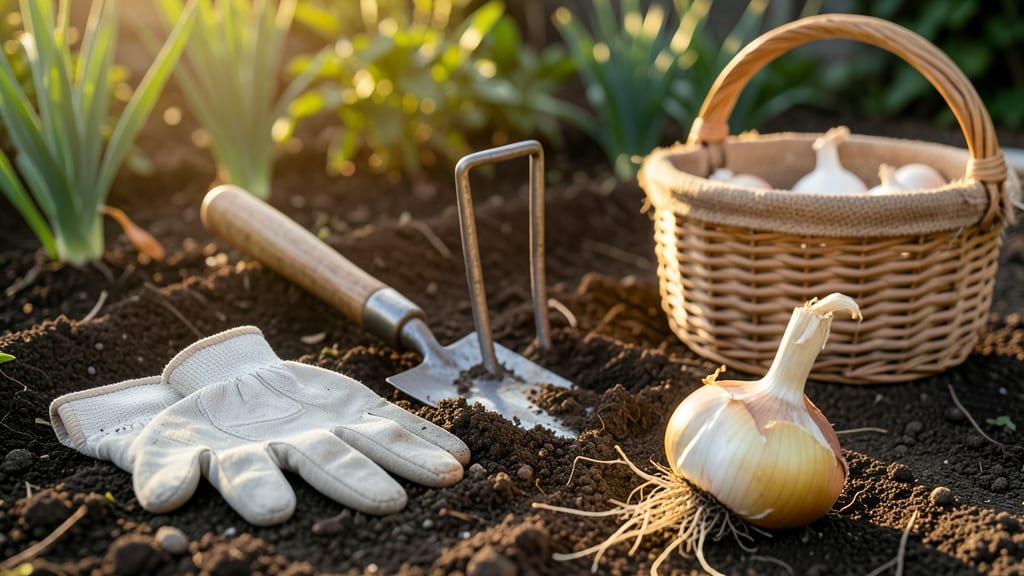
To pick onions from your garden at the perfect time means harvesting bulbs that are fully mature, flavorful, and ready for storage — and missing that window can turn sweet onions into tough, pungent disappointments.
Picture this: you’ve spent weeks nurturing your 🧅 plants, only to pull them too early and end up with small, watery bulbs that won’t store well. Or worse, you wait too long, and the tops flop over while the flavor fades.
The key? Timing based on visual cues, not just days after planting.
In this guide, I’ll walk you through the three clear signs your onions are ready for harvest, including how to test maturity before pulling them from the soil. Whether you’re growing green onions or storage varieties, these tips will help you avoid common mistakes and ensure a bountiful, flavorful harvest.
You’ll also discover how climate and variety affect timing, plus the best way to handle onions post-harvest to keep them fresh for months. Let’s get started!


3 Clear visual signs your onions are ready for harvest
Harvesting onions at the right moment ensures sweet, flavorful bulbs instead of tough or pungent ones. The key lies in observing three visual cues that signal maturity—whether you're growing storage onions or green onions.
These signs work for both spring and fall plantings, though timing shifts slightly with your climate zone. For example, in USDA Zone 6a, spring onions typically mature by mid-summer, while fall varieties may take until October.
First, pay attention to the top size and leaf color. Healthy green tops that suddenly yellow and flop over are nature’s way of saying, "It’s time!" This change happens when the onion’s energy shifts from leaf growth to bulb development.
The neck thickness also plays a role—when it starts to shrink and dry out, that’s another clear signal. These visual clues work together to give you the green light for harvest.
- 🟡 1. Yellowing & Flopping Tops: Green tops turn straw-colored and collapse over when bulbs are fully mature. This happens 2-3 weeks before they’re ready to pull.
- 🤏 2. Thick, Dry Neck: The stem connecting the bulb to the top shrinks and hardens. Gently pinch it—if it feels papery and dry, it’s harvest time.
- 📜 3. Papery Skin: The outer layers of the bulb should feel dry and crisp, not slick. Press lightly—if the skin resists pressure, the onion is perfect.
For green onions (or scallions), the rules are slightly different. You’ll harvest them when the white bulb swells to about ½ inch thick and the green stems reach 6-8 inches tall.
Unlike storage onions, green onions don’t need to develop a full bulb—you can cut them back multiple times throughout the season. This method works well for continuous harvests in containers or garden beds.
Seasonal variations matter, especially in cooler climates. If you’re growing onions in Zone 5 or colder, they may mature later due to shorter growing seasons. Conversely, in warmer zones (7-10), onions can bolt (flower prematurely) if harvested too late.
Always check the days to maturity listed on your seed packet—most storage onions take 90-120 days, while green onions mature in 60-75 days.
One common mistake is waiting too long after the tops yellow. If left in the ground, the bulbs can split or rot, especially in wet conditions. Once the tops flop, act within 1-2 weeks to avoid quality loss.
For fall-planted onions, watch for early frost warnings—harvest before temperatures drop below 40°F to preserve flavor and texture.
Pro tip: Dig up a test onion when the tops start yellowing. Cut it in half to check the bulb size and root development. A mature onion will have a firm, dry center with no green shoots forming.
If it’s still soft or moist, give it another week or two. This simple test saves you from harvesting prematurely or missing the window entirely.
Regional differences also affect timing. In dry climates, onions may mature faster due to intense sunlight and less moisture stress. In humid areas, fungal diseases like downy mildew can accelerate top yellowing, so harvest promptly.
Always prioritize dry, sunny days for harvesting to let the bulbs dry properly before storage.
Finally, don’t overlook the neck thickness as a final check. A mature onion’s neck will feel woody and dry, almost like a straw. If it’s still juicy or green, the bulb isn’t fully developed.
This detail is crucial for long-term storage onions, as properly matured bulbs keep best through winter. For immediate use, you can harvest slightly earlier, but for storage, wait until all three signs align.
Mastering these visual cues ensures your onions are harvested at peak flavor and quality. Whether you’re a beginner or a seasoned gardener, these signs take the guesswork out of timing. Once you spot them, it’s time to grab your garden fork and enjoy the fruits of your labor—literally! 🧅
How to test onion maturity before harvesting (avoid common mistakes)
Testing onion maturity is all about checking three key areas: bulb size, leaf condition, and neck development. Many gardeners make the mistake of harvesting too early when bulbs are still small or too late when they split open.
The right time ensures sweet, flavorful onions that store well.
Start by gently pulling back the outer leaves of your onion plant. Look for a papery, dry skin that resists gentle pressure—this indicates maturity. If the skin feels tight and moist, your onions need more time in the ground. This simple test saves you from bitter, underdeveloped bulbs.
⚠️ callout warning ⚠️
Overripe onions split open, losing flavor and storage quality. If you see cracked bulbs or dry, brown tops, it's past prime. For long-term storage, harvest when tops turn yellow but before they fully brown. For fresh use, you can wait slightly longer.
Dig up one test onion from each row to check the bulb's firmness and size. A mature onion should feel heavy for its size and measure about 2-3 inches in diameter. Smaller bulbs (under 1 inch) are best used as green onions or scallions rather than storage onions.
Pay attention to the neck of the onion, where the bulb meets the leaves. When it begins to shrink and dry out, this signals the bulb has reached peak maturity.
A thick, green neck means more growing time is needed. This neck shrinkage is your best indicator for storage onions.
Flavor is your final test—cut a small slice from a test onion. A mature onion will have a dry, papery texture with layers that don’t bleed much liquid. If it tastes sharp or watery, it’s not ready. Sweetness develops as starches convert to sugars during maturity.
Don’t wait until the first frost to harvest—cold temperatures trigger bolting (flowering), which ruins bulb development. In USDA Zone 6a, aim to harvest by late September for fall-planted onions. For spring-planted varieties, harvest between 90-120 days after planting for ideal results.