
Picking
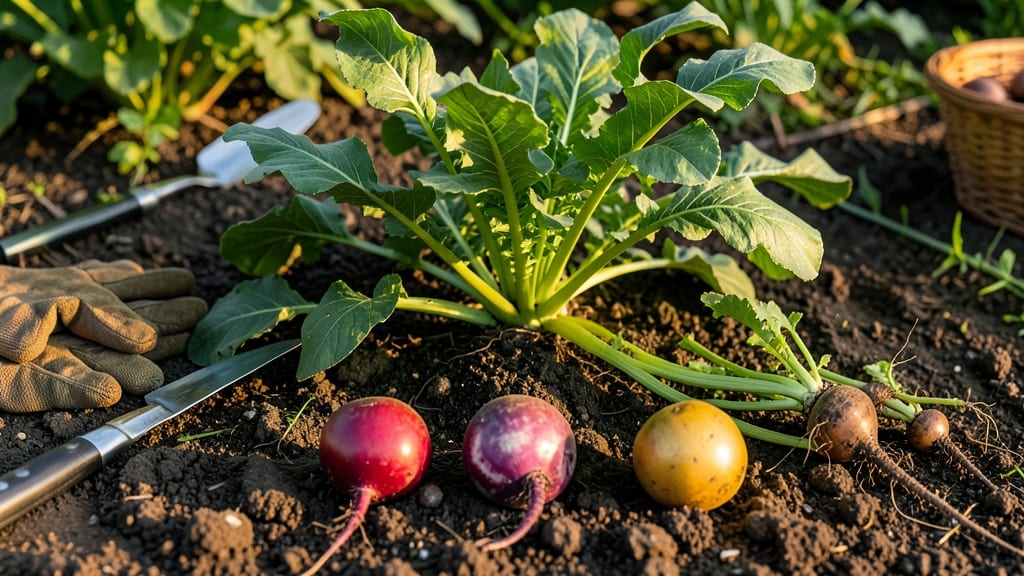
Picking beets from the garden at the right time means tender, sweet roots instead of tough, woody messes — and the secret is all in the timing.
Harvesting too early leaves you with tiny, underdeveloped 🥕, while waiting too long turns them into fibrous, bitter stalks. The difference between a perfect harvest and a disappointing one often comes down to three simple visual cues.
Most gardeners wait until roots reach 1 to 3 inches in diameter, but size isn’t the only factor. Leaf color, stem thickness, and even soil conditions play a role in determining when your beets are truly ready.
In this guide, I’ll walk you through exactly what to look for, how to check readiness without damaging the roots, and what to do if you’ve missed the window.


3 Visual cues to determine when beets are ready for harvest
Knowing exactly when to harvest your beets can make the difference between a sweet, tender root and a tough, fibrous mess. The key lies in three simple visual cues that reveal when your beets have reached peak flavor and texture.
I’ve learned from years of gardening that ignoring these signs often leads to disappointment—so let’s dive into what to look for in your garden beds.
First, you’ll want to pay attention to the size of the root. Beets are ready when their diameter reaches about 1 to 3 inches. Smaller than that, and they’re still developing their signature sweetness.
Larger, and they risk becoming woody. This is the most critical visual cue, as it directly impacts the eating experience.
- Root Size: Aim for 1-3 inches in diameter. Use your fingers to gently feel the soil around the base—if the root feels firm and round, it’s ready. Smaller beets are underdeveloped, while larger ones turn woody.
- Leaf Color: Vibrant, deep green foliage signals maturity. Pale or yellowing leaves mean the beet needs more time, while overly large leaves can indicate it’s past its prime. Check the outer leaves first—they’re the most reliable indicator.
- Stem Thickness: A thick, sturdy stem (about the width of a pencil) means the beet has stored enough energy in its root. Thin stems suggest the plant is still growing, while overly thick stems can mean the beet is overripe.
Next, focus on the color of the leaves. Healthy beet greens should be a rich, deep green. If the leaves are pale or yellowing, your beet isn’t ready yet.
On the flip side, if the leaves are large but the root feels small when you gently squeeze it, you’ve likely waited too long. The foliage gives you a quick way to assess the plant’s overall health without digging.
Don’t overlook the stem thickness—it’s a subtle but telling sign. A mature beet will have a stem about as thick as a pencil. If the stem feels flimsy, the root isn’t fully developed.
Thick stems paired with a firm root mean it’s time to harvest before the beet becomes tough. This is especially important for varieties like Detroit Dark Red, which can quickly go from tender to fibrous.
One common mistake I see in gardens is relying solely on the beet’s size. Just because a beet looks big doesn’t mean it’s ready! Always cross-check with the other two cues—leaf color and stem thickness.
For example, a golden beet might appear smaller but still be perfectly sweet if its leaves are vibrant and its stem is thick. Trusting only one cue can lead to disappointment.
Timing your harvest also depends on your climate and variety. In cooler regions, beets mature faster and may be ready in as little as 45 days. In hotter climates, they might need up to 70 days.
Always check the seed packet for specific guidelines, but use the visual cues as your final judge. For instance, Chioggia beets with their striking rings are best harvested when their roots are about 2 inches wide.
Pro tip: If you’re unsure, do a test harvest. Pull one beet and check its size, color, and texture. If it’s not quite ready, leave the rest in the ground for another week. This small step can save you from ending up with a batch of tough roots.
I’ve learned this the hard way—especially with Babybeat varieties, which are tiny but still need to be harvested at the right time.
Finally, avoid harvesting in extreme heat or cold. Beets are most tender when the soil temperature is moderate—typically between 60°F and 75°F. Harvesting during heatwaves can stress the plant, while cold snaps can make the roots tough.
Plan your harvest for a cool morning when the soil is workable but not frozen. This ensures the best flavor and texture every time.
By mastering these three visual cues—root size, leaf color, and stem thickness—you’ll never miss the perfect moment to harvest your beets. The next time you’re in your garden, take a moment to check these signs before pulling. Your taste buds will thank you! 🥕
Best practices for harvesting beets without damaging the roots
Once your beets reach the perfect harvest size of 1-3 inches in diameter, it's time to pull them carefully from the soil. The key to preserving their sweet flavor and tender texture lies in how you handle them during harvest.
A rough pull can bruise the roots, while improper storage can lead to spoilage. Let's walk through the best methods to ensure your beets stay fresh and delicious for weeks.
Timing your harvest correctly is just the first step. After pulling, you'll need to clean and store them properly to extend their shelf life. Beets can last up to 3 months in ideal conditions, but only if handled with care.
I'll share my foolproof techniques for digging, cleaning, and storing beets so you can enjoy their earthy sweetness long after harvest season ends.
Here's my step-by-step guide to harvesting beets without damaging those precious roots:
Harvest on a cool, cloudy day to prevent stress. Avoid pulling beets when soil is waterlogged or frozen.
Use a garden fork to loosen soil around roots first. This prevents breaking the beet while pulling.
Hold the beet's greens firmly and pull upward with steady pressure. Never twist or yank.
Gently knock off dirt with your hands. Avoid using water or scrubbing to prevent bruising.
Cut foliage to 1 inch above root to prevent moisture loss. Save greens for cooking!
After harvesting, beets need proper storage conditions to maintain freshness. Store them in a cool, dark place like a root cellar or refrigerator crisper drawer. Wrap individual beets in paper towels or store them in a plastic bag with holes to allow airflow.
This method keeps them crisp for up to 3 months.
For immediate use, you can leave beets in the garden for a few extra days if needed, but avoid letting them get too large or woody.
The ideal harvest window is when roots reach 1-3 inches in diameter—any larger and they'll become tough. With these techniques, you'll always enjoy perfectly harvested beets!