
Planting
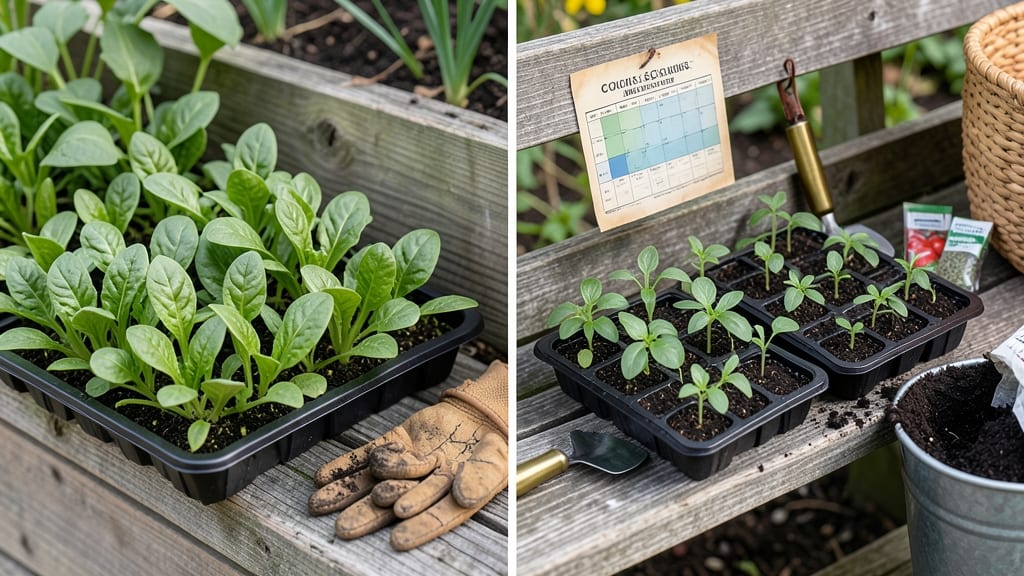
You should plant a garden in Michigan after the last frost date—typically mid-April in the south and early May in the Upper Peninsula—when soil temperatures hit 50°F and the risk of frost has passed.
Michigan’s unpredictable frost dates can turn a gardener’s excitement into frustration if you plant too early—or too late. Timing your garden correctly means the difference between a bumper crop and wasted seeds, so knowing exactly when to plant in Michigan’s Upper, Middle, and Lower zones is critical.
Cool-season crops like peas and lettuce can handle light frosts, while warm-season favorites like tomatoes and peppers need the ground to be reliably frost-free.
In Zone 5a-6b, that means waiting until early May for most regions, but southern Michigan gardeners can start as early as late March for hardy greens.
Below, I’ll break down the best planting windows by crop type, share frost-avoidance tips, and help you extend your growing season—so you can enjoy fresh 🌱 harvests from spring to fall.
Michigan’s frost dates by zone: when to start planting cool-season vs. warm-season crops
Michigan’s frost dates vary dramatically from the Upper Peninsula to Detroit and Grand Rapids, making it essential to tailor your planting schedule to your specific USDA zone.
The average last frost in southern Michigan (zones 6a-6b) typically arrives by mid-April, while northern areas (zones 5a-5b) may wait until early May. This difference can mean the gap between a thriving garden and a frost-killed crop.
Cool-season crops like lettuce, peas, and spinach can handle light frosts, but warm-season favorites such as tomatoes and peppers need consistent warmth to thrive. Understanding these frost-free windows helps you plan for both spring and fall planting seasons, maximizing your harvest potential.
Below is a region-specific breakdown of frost dates and ideal planting times for Michigan’s three distinct growing zones. Use this as your guide to avoid common mistakes like planting tomatoes too early or missing the window for fall kale.
🌱
In Southern Michigan, where zones 6a-6b dominate, you can start cool-season crops as early as March under row covers or in a greenhouse. Hardy vegetables like kale, carrots, and radishes can even survive light frosts, giving you an early harvest.
For warm-season crops, wait until after the mid-April last frost to plant tomatoes, peppers, and cucumbers.
Central Michigan, including Grand Rapids, falls into zones 5b-6a, where the last frost typically arrives by late April. This region offers a slightly shorter growing season, so prioritize fast-maturing varieties like bush beans and zucchini.
If you’re planting tomatoes or peppers, use black plastic mulch to warm the soil faster and extend your season.
Northern Michigan, especially the Upper Peninsula in zones 5a-5b, has the latest last frost dates, often not arriving until early May.
This shorter frost-free window of 120-140 days means you’ll need to focus on early-maturing varieties or use cold frames to protect tender plants. Peas and lettuce are excellent choices for early spring, while potatoes and onions thrive in cooler temperatures.
To ensure success, always check your local frost dates using resources like the Michigan State University Extension or a frost calendar for your specific city. Even within a region, microclimates can shift frost dates by a week or more, so observe your garden’s unique conditions.
For example, low-lying areas tend to frost later in spring but may freeze earlier in fall.
🌿
One of the biggest mistakes gardeners make is planting warm-season crops too early, only to have them killed by a late frost. To avoid this, use the "two-week rule": wait at least 2 weeks after the average last frost date before planting heat-loving crops like eggplants or okra.
For cool-season crops, you can start seeds indoors 6-8 weeks before the last frost or sow directly into the garden as soon as the soil is workable (usually when temperatures reach 40°F).
For fall planting, aim to sow cool-season crops like spinach and broccoli 60-80 days before your first frost date. In southern Michigan, this means starting in late August, while northern areas should begin by
Best planting calendar for Michigan gardens: month-by-month guide by crop type
Michigan’s gardening season is short but sweet, and getting your planting timeline right ensures you maximize every sunny day. Whether you’re growing cool-season crops like spinach or warm-season favorites like tomatoes, timing is everything.
My garden thrives when I follow a month-by-month schedule tailored to Michigan’s frost dates and microclimates—because a late spring frost can wipe out tender seedlings in minutes.
I’ve learned the hard way that waiting two weeks after the last frost is non-negotiable for most plants. That buffer gives the soil time to warm up and reduces the risk of frost damage.
For northern Michigan, this might mean planting tomatoes and peppers in early June, while southern Michigan gardeners can start them in late May. Let’s break down the best times to plant by crop type, so you can avoid common mistakes and enjoy a bountiful harvest.
- 1 March-April (Cool-Season Crops): Plant spinach, peas, and lettuce as soon as soil is workable (around 40°F). Use row covers to protect from late frosts.
- 2 Late April-Early May (Hardy Warm-Season Crops): Start cold frames for onions and leeks. Wait until soil hits 50°F for potatoes and beets.
- 3 Mid-May (After Last Frost): Plant tomatoes, peppers, and cucumbers in southern Michigan. Northern gardeners should wait until early June.
- 4 June (Succession Planting): Sow bush beans, carrots, and radishes every 2-3 weeks for continuous harvests. Add companion plants like basil to deter pests.
- 5 July-August (Fall Prep): Start kale, broccoli, and Brussels sprouts in late July for fall harvests. Use black plastic mulch to warm soil for late-season tomatoes.
- 6 September (Hardy Fall Crops): Plant garlic, spinach, and cover crops like clover. Harvest squash and pumpkins before first frost (mid-October).
For herbs like basil and cilantro, I plant them in late May after the soil is consistently warm. These plants bolt (flower prematurely) if exposed to cold, so timing is crucial.
If you’re unsure about frost dates, check your local Michigan State University Extension resources—they provide hyper-local frost predictions based on your ZIP code.
One of my biggest gardening wins was using row covers to extend the season for early spring lettuce and late fall kale. These lightweight fabrics add just 2-4°F of warmth, which is enough to protect tender greens from unexpected frosts.
Pair them with cold frames for even better results—my spinach thrives well into December when grown this way.
Don’t forget about succession planting! Crops like radishes and bush beans grow quickly, so sow new seeds every 2-3 weeks to keep the harvest coming. This strategy works especially well in Michigan’s short season, where you want to maximize every square foot of garden space.
By following this month-by-month guide, you’ll avoid the heartbreak of lost seedlings and enjoy a garden that produces all season long. Happy planting—your future salads, soups, and salsa are waiting! 🌱