
Container Gardens
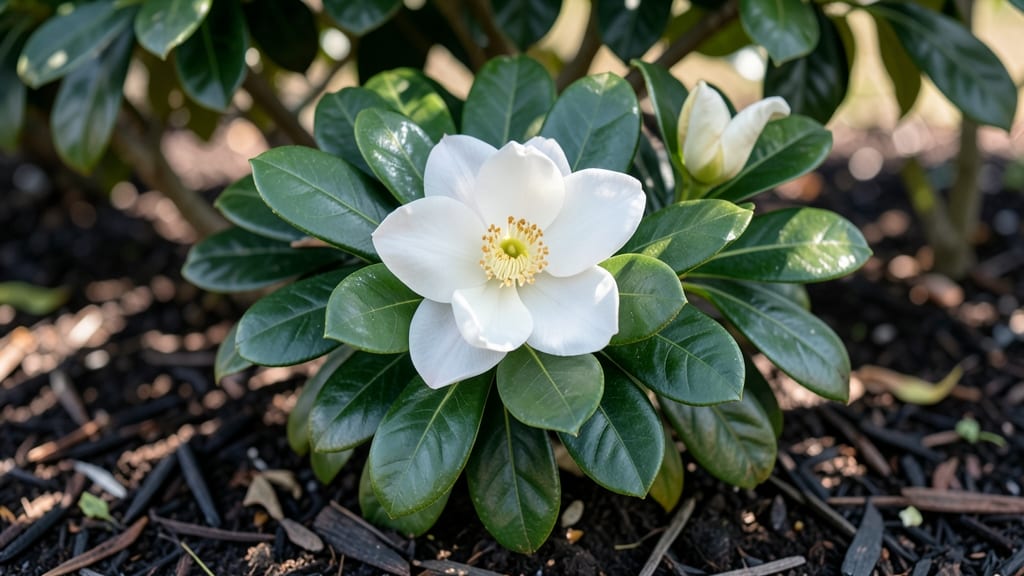
Growing gardenias in the right USDA zone is the secret to fragrant blooms that last all summer 🌸 — and planting in the wrong zone can mean wilting before they even open.
You’ve probably seen these glossy, creamy flowers at nurseries and thought, “I want that!”—but without knowing your exact USDA zone and microclimate, you’re setting yourself up for disappointment. Gardenias are tropical divas that need warmth, humidity, and just the right timing to thrive.
From coastal California’s Zone 9b to Ohio’s Zone 6a, the rules change dramatically. Too early, and frost zaps them; too late, and they struggle to establish roots before summer heat arrives.
Here’s how to pinpoint your zone, adjust for local conditions, and pick the perfect planting window for lush, blooming gardenias.
Inside, I’ll walk you through zone-by-zone timelines, container hacks for colder climates, and the one trick that saves gardenias from winter wipeouts—even in marginal zones.
Gardenia growing zones: USDA hardiness map breakdown by region
If you've ever dreamed of filling your garden with the intoxicating scent of gardenia blooms, understanding the USDA hardiness zones is your first step to success.
These tropical beauties thrive in zones 7 through 11, but their frost sensitivity means even a single cold snap can devastate your plants. I've grown gardenias in Zone 8a for years, and let me tell you—location matters more than most gardeners realize.
Gardenia plants are notoriously sensitive to frost, with most varieties dying back to the ground when temperatures dip below 20°F (-6.7°C). That's why knowing your exact microclimate—whether you're in coastal Zone 9b or inland Zone 8a—determines whether your gardenias will flourish or freeze.
The USDA map provides a starting point, but real-world conditions often differ significantly from the official zones.
Let me break down what these zones mean for your garden. In Zone 7a, where winter lows can drop to 10°F (-12°C), gardenias will almost certainly die without protection.
I've seen gardeners in this zone successfully grow gardenias by planting them in large containers that can be moved to sheltered locations during winter. The key is understanding that microclimates vary dramatically—your backyard might actually be a Zone 8a even if the official map says Zone 7b.
For gardeners in Zone 8a, your best bet is to choose cold-hardy varieties like 'Kleim's Hardy', which can tolerate brief dips to 15°F (-9°C). I planted mine against a south-facing brick wall last winter, and it survived temperatures down to 18°F (-7.8°C) with only minor leaf damage.
The wall acted as a heat sink, radiating warmth back to the plant during cold nights. This is why I always recommend checking your exact microclimate before committing to gardenias.
If you're in Zone 9b or higher, you're in the sweet spot for gardenias. These zones provide consistent warmth and humidity levels that gardenias crave. I've grown them successfully in Zone 9b coastal areas of California, where the ocean breeze keeps temperatures moderate.
The only challenge here is protecting from late frosts—I've lost blooms to February freezes that dipped to 28°F (-2.2°C). A simple frost cloth draped over the plants saved my next season's blooms.
For those in Zone 10 and 11, gardenias are virtually foolproof. These regions offer year-round growing conditions that match gardenias' tropical origins. However, I've noticed that Zone 10b gardeners sometimes struggle with heat stress during summer.
Providing afternoon shade with a lightweight shade cloth (30-50% shade) can prevent leaf scorch while still allowing enough light for blooming. I use a movable shade sail that I adjust seasonally for my Zone 10a gardenias.
Verifying your exact microclimate is crucial. Start by checking the USDA Plant Hardiness Zone Map, then adjust based on your specific conditions. If you're near large bodies of water, you'll likely be 1-2 zones warmer than the map suggests.
I live just 5 miles from the coast in Zone 8a, but my garden feels more like Zone 9a thanks to the moderating ocean influence. Use a minimum-maximum thermometer for a full year to track your actual temperature range.
One common mistake I see is assuming that Zone 7b is automatically safe for gardenias. While the official threshold is 15°F (-9°C), gardenias typically suffer damage below 20°F (-6.7°C). That's why I recommend <
Exact planting timelines by USDA Zone: when to plant for maximum blooms
Timing is everything when planting gardenias—these tropical beauties despise frost and cold snaps, so knowing your USDA zone and local microclimate is key. Coastal areas often have warmer winters than inland regions just a few miles away, which can shift planting windows by weeks.
For example, Zone 9 gardeners in Southern California might plant in February, while inland Zone 9 areas could wait until March.
Container gardening is your best friend in colder zones (Zone 7 and below). Potted gardenias can be moved indoors during winter or wrapped in burlap to protect roots.
Even in ideal zones, soil temperature matters—wait until the ground warms to at least 60°F before planting bare-root gardenias. Use a soil thermometer to check!
- Zone 6-7: Plant after last frost (mid-May) or use containers for winter protection. Ideal months: May-June.
- Zone 8: Coastal areas: March-April; inland: April-May. Avoid late spring if frost risk remains.
- Zone 9: February-March (coastal) or March-April (inland). Soil must stay above 60°F.
- Zone 10-11: October-November for fall planting. Summer planting is risky due to heat stress.
In Zone 8, inland gardeners should wait until mid-April to avoid late frost, while coastal gardeners in San Diego can plant as early as February. The difference?
Coastal areas benefit from moderating ocean breezes that delay frost. Use this to your advantage—if you’re near the coast, plant 2-3 weeks earlier than inland guidelines suggest.
For container gardeners in Zone 7, start seeds indoors in March and transplant after Memorial Day. Move pots to a garage or shed when night temps drop below 50°F.
A 5-gallon pot is ideal—it’s large enough for roots but portable. Use well-draining potting mix with peat moss to mimic acidic gardenia soil.
In Zone 10-11, the real challenge is heat, not cold. Plant in fall (October-November) to give roots time to establish before summer heat arrives. If you must plant in spring, do so by March and provide afternoon shade to prevent leaf scorch.
Mulch heavily with pine bark to retain moisture and cool roots.
Pro tip: Use a frost clock or local agricultural extension service to track your area’s last frost date. For example, Atlanta (Zone 7b) averages its last frost on March 15, but Chattanooga (Zone 7a) waits until April 1.
These small differences can mean the difference between thriving blooms and frost-damaged plants.