
Tools
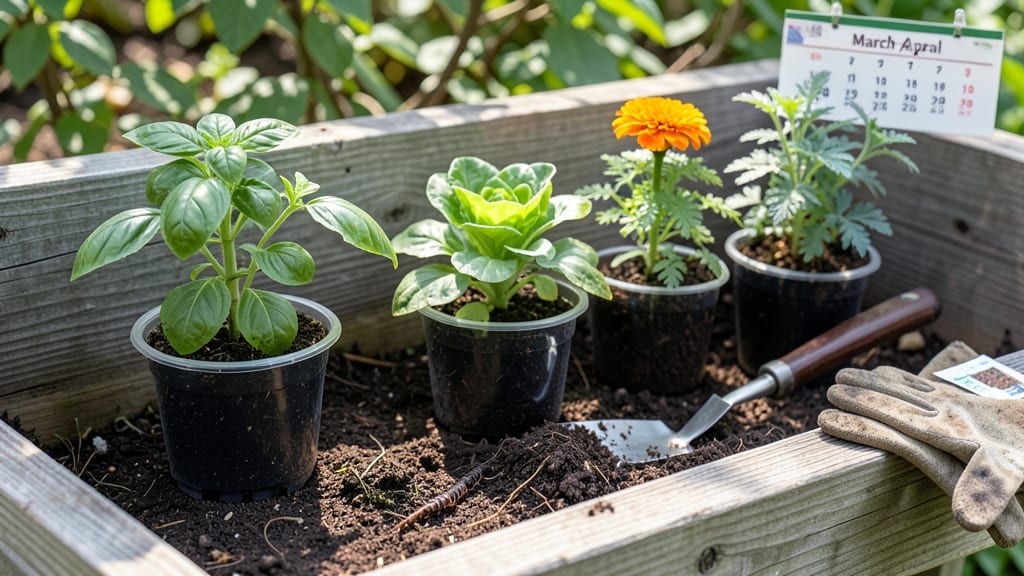
The best time to start a garden depends on your climate zone: warm regions should plant cool-season crops like lettuce and spinach 4-6 weeks before the last frost, while colder areas begin indoors 8-10 weeks before spring’s final frost date. Always verify local frost charts for accurate timing.
The timing of your garden's start hinges on two critical factors: your USDA hardiness zone and the last expected frost date in your area. 🌱 For example, Zone 5 gardeners might begin cool-season crops indoors in March, while Zone 9 gardeners can direct-sow in October.
Microclimates—like urban heat pockets or shaded slopes—can shift these windows by 2-4 weeks, so always account for local variations when planning. The key is balancing soil temperatures with seed viability: most vegetables need soil at at least 60°F to germinate properly, while cool-season crops like kale thrive in 40-50°F ranges.
Pro tip: Use a planting calendar tailored to your zip code to avoid common mistakes like sowing too early (which risks frost damage) or too late (which shortens the growing season). Many extension services offer free digital tools that factor in your specific conditions, including elevation and wind exposure.
This precision makes all the difference between a thriving garden and a frustrating experiment.
💡 In This Article
- Climate-Zone Planting Calendar Explained
- Indoor vs Outdoor Starting Methods for Different Seasons
Climate-Zone planting calendar explained
The USDA hardiness zone map divides North America into 13 distinct zones based on average minimum winter temperatures. For example, Zone 3 (like Minnesota) faces -40°F to -30°F winters, while Zone 10 (like Southern California) rarely drops below 30°F.
Each zone has its own frost-free date range—Zone 3 typically sees its last frost in mid-May to early June, while Zone 9's final frost often occurs in January or February.
This explains why gardeners in warmer zones can plant cool-season crops like broccoli in fall, while northern gardeners must wait until late spring.
Planting charts use these frost dates as their foundation, but they also account for soil temperature—a critical factor for seed germination. Most vegetables need soil at at least 60°F to sprout, while cool-season crops like spinach thrive in 40-50°F ranges.
For instance, in Zone 6 (like Chicago), you'd start cool-season crops indoors by February 15 and transplant outdoors after April 15, when soil temperatures stabilize. The charts also include "heat units" (growing degree days) that predict how quickly plants will mature based on your local climate patterns.
Microclimates can shift these timelines dramatically. A south-facing wall might create a 5-10°F warmer microclimate than your yard's average, allowing you to plant 2-3 weeks earlier in spring. Conversely, low-lying areas with poor drainage may stay 10°F cooler longer.
Urban heat islands—where pavement and buildings trap heat—can extend growing seasons by 1-2 weeks compared to rural areas just miles away. Always scout your garden's sun exposure, wind patterns, and soil drainage before relying solely on zone-based charts.
Here's how to read a planting chart accurately: Look for the "last frost date" column, then count backward based on your crop's recommended planting window.
For example, if your chart shows May 15 as the last frost and you're planting tomatoes (which need 8-10 weeks of warm soil), you'd start seeds indoors by March 1.
Warm-season crops like peppers require even longer—10-12 weeks—so Zone 5 gardeners might need to begin by February 15 to avoid transplanting too late.
For container gardeners, timing shifts slightly due to soil warming differences. Potted soil heats up 10-15°F faster than ground soil, meaning you can plant 1-2 weeks earlier in containers. However, this also means containers cool down faster at night, so always use a soil thermometer to verify temperatures.
The key is matching your planting schedule to the actual conditions your plants experience—not just the zone's average.
Pro tip: Bookmark your local cooperative extension service's frost date calculator. These tools factor in historical data, elevation, and microclimate variations to give you hyper-localized planting windows. For example, Denver's last frost might average May 10, but your specific neighborhood could vary by ±7 days based on elevation changes.
Always verify with at least 5 years of local records for the most reliable timing.