
Pruning
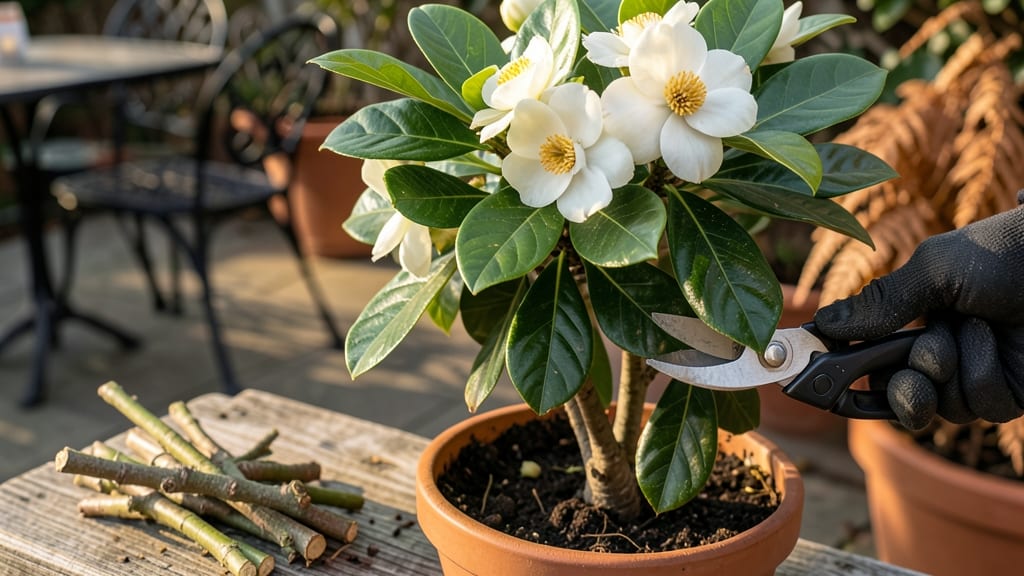
The best time to prune gardenias is late winter or early spring, just as new growth begins to push through the soil 🌸.
Struggling to get your gardenias to bloom as beautifully as they did last year? The secret might be hiding in your pruning schedule—timing makes all the difference for these fragrant favorites.
When you prune at the right moment, you’re not just tidying up your shrub; you’re setting the stage for a healthier, more vibrant plant with more blooms next season.
In USDA Zone 9b, late winter is ideal because the plant is dormant, and cutting back now minimizes stress while encouraging fresh growth.
Below, I’ll walk you through the exact steps to prune your gardenia for maximum blooms, the tools you’ll need, and how to avoid common mistakes that can leave your plant looking ragged or even stunted.
Why late winter dormancy is the ideal time to prune gardenias
If your gardenias are struggling to produce those show-stopping blooms, the issue might start with your pruning schedule. Late winter is the perfect window to prune these fragrant shrubs because it aligns with their natural dormancy cycle.
During this time, gardenias enter a resting phase after their fall/winter blooming period, making them more resilient to pruning stress. This timing also sets the stage for healthier growth and more abundant flowers in the coming season.
Pruning during dormancy helps redirect the plant’s energy toward new growth rather than maintaining old, weak branches. It also reduces the risk of disease transmission since open wounds heal faster in cooler temperatures.
Plus, removing dead or damaged wood in late winter prevents pests and pathogens from taking hold as temperatures rise in spring.
But how do you know when your gardenias are truly dormant? Look for these key signs: leaves will have fallen or turned brown, and the plant may appear less active overall.
In USDA Zone 9b (where gardenias thrive year-round), dormancy typically occurs in January and February, while in cooler climates, it may extend into early spring. Timing your prune right before new growth begins ensures your gardenia has time to recover before the growing season peaks.
| Pruning Timing | Climate Zone | Key Benefits | Avoid |
|---|---|---|---|
| Late January - Early February | USDA Zone 9b (year-round growth) | Stimulates early spring blooms, reduces pest risk | Pruning after new buds form |
| February - March | USDA Zones 8-10 (mild winters) | Encourages dense foliage, prevents legginess | Heavy pruning in extreme heat |
| Early Spring (post-last frost) | Cooler climates (Zones 7 and below) | Promotes vigorous regrowth, better winter hardiness | Pruning before frost protection is established |
| Never in Summer | All zones | Avoids stress during peak growth | Removing flower buds prematurely |
Scientifically, pruning during dormancy works because gardenias store energy in their roots and stems during this period. When you remove dead or weak branches, you’re essentially redirecting that stored energy toward stronger, more productive growth.
This is why gardenias pruned in late winter often rebound with thicker foliage and more blooms than those pruned at other times.
Another critical reason is disease prevention. Open wounds on gardenias are prime targets for fungal infections like powdery mildew or root rot, especially in humid climates. Pruning in cooler, drier winter months gives these wounds time to callous over before the rainy season begins.
Plus, removing infected branches during dormancy prevents the spread of pathogens to healthy tissue.
For maximum bloom stimulation, focus on pruning just after the plant’s last flowering cycle of the year. In many regions, this occurs in late fall or early winter, so waiting until late winter ensures you’re not accidentally cutting off next year’s flower buds.
Aim to remove no more than 25-30% of the plant’s total volume—this keeps the gardenia balanced while encouraging new growth.
Identifying dormancy in gardenias is easier than you think. Start by checking for leaf drop or yellowing foliage, which signals the plant is slowing down. You’ll also notice slower growth rates and fewer new leaves.
In potted gardenias, dormancy might be less obvious, but the same principles apply—prune when the plant looks least active. If you’re unsure, a simple finger test works: gently press a branch. If it feels woody and stiff, it’s likely dormant.
One common mistake is pruning too late in winter, just as new growth begins. This can shock the plant and delay blooming. To avoid this, mark your calendar for late January or early February in most climates.
If you’re in a warmer region like Zone 9b, you might even prune in December after the holiday blooms fade. The key is to prune before the plant starts pushing new leaves.
Finally, late winter pruning sets the stage for healthier, more vibrant gardenias all season long. By removing old wood and encouraging airflow, you’re not just shaping your plant—you’re boosting its immune system and preparing it for the stress of summer heat.
With the right timing, your gardenias will reward you with lush foliage and fragrant blooms that’ll make your garden the envy of the neighborhood. ✂️🌸
Step-by-step late winter pruning guide for maximum blooms
Late winter is the perfect window to prune your gardenia shrubs—when they’re dormant but just waking up. This timing trick ensures healthier blooms next season by removing dead wood while stimulating fresh growth. In most USDA Zones 8-10, aim for February or early March before new buds form.
Why? Pruning during dormancy reduces stress on the plant and prevents disease spread. It also helps shape your gardenia for better airflow and sunlight penetration—key for those fragrant white blooms you love. Skip this step, and you might end up with fewer flowers or leggy growth.
Start by removing dead or diseased branches first—they’re easy to spot as brown, brittle stems. Next, shape your gardenia by trimming back overly long branches to encourage bushier growth. Always cut just above a bud or outward-facing leaf to promote healthy new shoots.
After pruning, sterilize your tools with rubbing alcohol to prevent bacterial spread. Then, give your gardenia a deep watering to help it recover. In USDA Zones 8-10, this is also the time to mulch around the base to retain moisture and protect roots.
In tropical climates (Zone 11+), prune after flowering in late spring instead, but the same rules apply: cut back ⅓ of the plant and focus on removing dead