
Planting
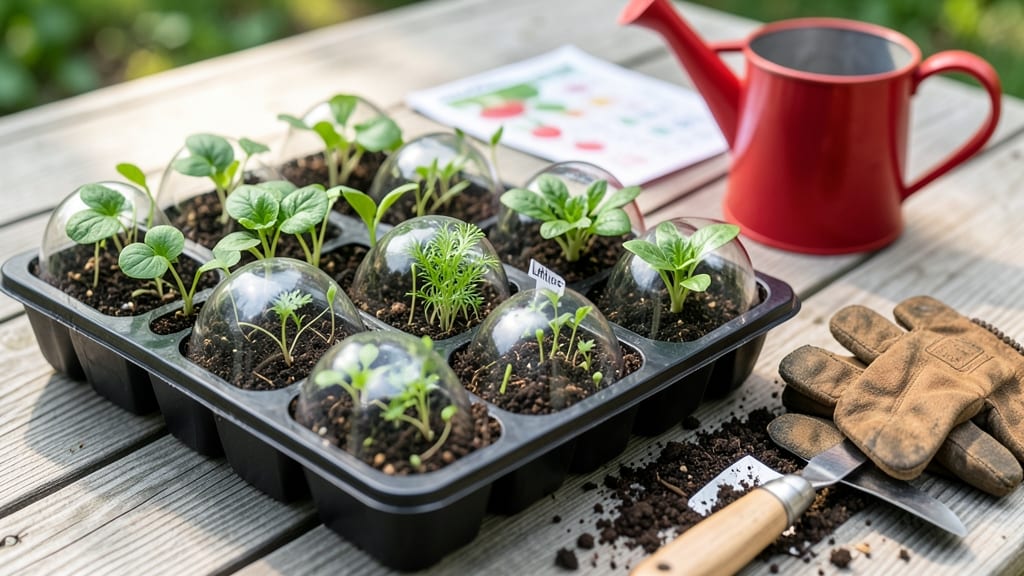
The best time to plant a garden in Ohio depends on your zone and the type of 🌱 General Garden Plants you’re growing—miss the window, and you risk stunted growth or total failure.
Ohio’s unpredictable spring weather can turn your gardening dreams into a gamble—unless you plant at the perfect time, tailored to your exact zone.
From Zone 5’s earlier last frosts to Zone 9’s longer growing season, timing everything right means the difference between a bountiful harvest and a sad, wilting disappointment.
Here’s how to pinpoint the ideal planting dates for your Ohio garden, whether you’re sowing cool-season veggies in March or warm-season favorites in June.
Ohio planting deadlines by Zone: exact dates for cool-season vs. warm-season crops
Ohio spans USDA Zones 5-9, creating dramatic differences in planting windows from the southern tip (Zone 7) to the northern border (Zone 5). Missing these deadlines can mean wilted seedlings or stunted harvests—but timing it right guarantees a thriving garden.
I’ll break down the exact dates for cool-season and warm-season crops, including soil temperature thresholds that separate success from failure.
Your first step is knowing your last frost date, which varies by 10-14 days across Ohio’s zones. For example, Zone 5 (northwest Ohio) averages its last frost on April 25, while Zone 7 (southern Ohio) sees frost-free conditions by April 5.
Warm-season crops like tomatoes and peppers need soil temps of 60°F+, while cool-season crops like kale and spinach thrive when soil is 40-50°F.
Here’s your zone-by-zone planting schedule, including early spring, late spring, and summer windows for zero-failure starts:
| Zone | Last Frost Date | Cool-Season Start | Warm-Season Start | Soil Temp Threshold | Key Crops |
|---|---|---|---|---|---|
| Zone 5 (NW Ohio) | April 25 | March 15–April 15 | May 15–June 1 | 40–60°F (cool) / 60°F+ (warm) | Spinach, Peas, Tomatoes, Peppers |
| Zone 6 (Central Ohio) | April 15 | March 1–April 1 | May 1–May 15 | 40–60°F (cool) / 55°F+ (warm) | Lettuce, Carrots, Cucumbers, Basil |
| Zone 7 (Southern Ohio) | April 5 | February 15–March 15 | April 15–April 30 | 45–60°F (cool) / 50°F+ (warm) | Broccoli, Radishes, Eggplant, Okra |
| Zone 8 (SE Ohio) | March 20 | January 1–February 15 | March 15–April 1 | 50–60°F (cool) / 45°F+ (warm) | Kale, Swiss Chard, Sweet Potatoes, Peanuts |
| Zone 9 (Far SW Ohio) | March 1 | December 1–January 15 | February 15–March 1 | 55–60°F (cool) / 40°F+ (warm) | Cabbage, Beets, Melons, Citrus (greenhouse) |
For cool-season crops, start seeds indoors 4-6 weeks before your last frost date. For example, in Zone 6, sow <
How to adjust planting times for Ohio’s microclimates: urban vs. rural vs. high-elevation gardens
Ohio’s diverse landscapes create unique gardening challenges. Urban areas experience heat islands that warm soil faster, while rural zones may have cooler, wetter soils. High-elevation gardens often enjoy earlier last frosts, giving you a head start. Understanding these differences helps you fine-tune planting times for maximum success.
For example, my urban garden in Columbus hits 60°F soil temps by early April—two weeks ahead of my rural friend’s farm. Meanwhile, a neighbor in Hocking Hills (elevation 1,000+ ft) plants cool-season crops like spinach by mid-March, while I wait until late April.
These microclimates aren’t just about dates; they dictate what you can grow and when to protect young plants.
🌱 Ohio Microclimate Planting Adjustments
- Urban Gardens: Plant 2-3 weeks earlier than rural areas due to heat island effect (soil warms faster). Use shade cloth for heat-sensitive crops like lettuce.
- Rural Gardens: Wait for soil temps ≥50°F (use a soil thermometer). Heavy clay soils need amending with compost before planting.
- High-Elevation (1,000+ ft): Last frost arrives 1-2 weeks earlier (e.g., April 1 vs. April 15). Extend season with row covers until May 15.
- All Gardens: Monitor local frost forecasts (not just USDA zones). Sign up for Ohio State Extension alerts for real-time updates.
- Pro Tip: Test soil pH in spring and fall—urban soils often test more alkaline due to runoff, while rural soils may be acidic from organic matter.
To extend your growing season, I swear by low tunnels for spring starts. In my urban garden, I cover broccoli and cabbage with floating row covers by late March, adding 2-3 weeks of protection.
For rural gardens, cold frames work wonders—my friend grows spinach until Thanksgiving using a simple DIY frame with plexiglass. High-elevation gardeners can push limits too: try hardening off transplants under cloches to delay frost damage.
Don’t rely solely on USDA zone maps—they’re too broad. Instead, track your own data: record soil temps with a $10 thermometer, note frost dates for 3 years, and adjust planting by 5-7 days each season.
I’ve shifted my tomato planting from May 1 to April 25 after tracking warmer urban microclimates. For rural areas, wait until May 10 to avoid cold snaps that kill seedlings.
One mistake I made? Ignoring wind exposure. My high-elevation garden gets stronger winds, so I now plant windbreaks (like tall sunflowers) to protect delicate greens.
In cities, concrete walls reflect heat—position heat-sensitive plants on north-facing sides of buildings. Rural gardens often have better airflow, reducing fungal diseases like powdery mildew on squash.
Start with these three adjustments: shift urban planting 2 weeks early, rural planting 1 week later, and high-elevation planting 1 week sooner. Pair that with season extenders, and you’ll grow longer, healthier crops—no matter where you garden in Ohio. 🌿