
Blooming
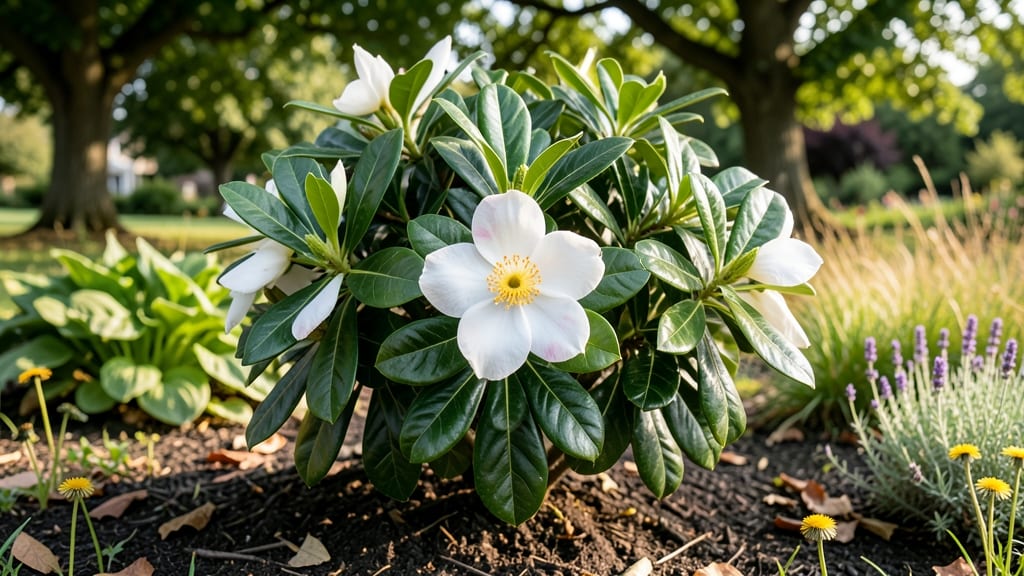
Gardenias bloom during late spring through summer months—typically May to August—but their exact timing depends on your local climate, specific variety, and how well you care for them. Warmer zones often see earlier blooms, while cooler areas can extend flowering into early fall with the right winter protection.
Gardenias are famously sensitive to temperature shifts, and their blooming window shifts accordingly. 🌸 In tropical climates, they may flower year-round with consistent warmth, while northern gardeners often see a concentrated burst of blooms during their peak summer months.
The key is providing stable conditions—gardenias hate sudden cold snaps, which can shock buds into dropping prematurely. I've found that varieties like 'Kleim's Hardy' are more adaptable to cooler zones, often rewarding patient gardeners with fall blooms if protected from early frosts.
What many don't realize is that proper pruning actually extends the blooming season.
When you trim back leggy growth after flowering, you're encouraging the plant to focus its energy on producing new buds rather than just leaves. 🌿 I recommend using sharp shears to cut just above leaf nodes in late summer, which gives the plant time to recover before winter. The trade-off?
You'll sacrifice some current-year blooms for a stronger display next season.
💡 In This Article
- Climate and Seasonal Factors Affecting Gardenia Bloom Timing
- Pruning and Care Tips to Extend Gardenia Flowering Season
Climate and seasonal factors affecting gardenia bloom timing
Gardenias are tropical plants at heart, and their blooming cycles are directly tied to temperature ranges. The ideal flowering window occurs when daytime temperatures consistently stay between 65°F and 85°F—below 55°F or above 90°F can trigger bud drop.
In cooler climates like USDA Zone 8 or higher, gardenias often enter dormancy in late fall, with buds forming in late winter (February-March) that bloom in May-June. Tropical regions, however, may see continuous blooming if temperatures remain stable year-round.
The photoperiod (daylight hours) also plays a crucial role. Gardenias need 6-8 hours of direct sunlight daily to trigger flowering, but too much intense afternoon sun can scorch leaves in hot climates.
Humidity matters just as much—these plants thrive in 50-70% humidity, and dry air causes buds to dry out before opening. In arid regions, I've seen gardenias produce fewer blooms unless I use a humidifier or group plants together to create microclimates. 💫
Seasonal transitions are where things get interesting. Gardenias detect temperature shifts through a process called vernalization, where exposure to cooler winter temps (but not freezing) helps set next year's buds.
In Zone 9-10, this means blooms may appear as early as March-April after a mild winter, while Zone 7 gardeners might see their first flowers in June-July after a longer dormancy period. The key is avoiding sudden cold snaps—gardenias can't handle temperatures below 30°F.
Here's how to read your gardenia's signals: If buds form but drop before opening, it's usually due to temperature stress or low humidity. If the plant produces lots of leaves but no flowers, it's likely getting too much nitrogen fertilizer.
The sweet scent of gardenia buds actually intensifies as they near opening—this is your plant's way of telling you it's about to bloom! In my experience, the most reliable bloomers are those given balanced 10-10-10 fertilizer in early spring and acid-loving plant food during bud formation.
For gardeners in transitional zones, the secret to fall blooms lies in winter protection. Wrapping the plant in burlap or using frost cloths can extend the season by 2-4 weeks.
I've had success with Kleim's Hardy variety in Zone 7b, where it produced September-October blooms with just a simple mulch layer around the base. The trade-off is that these late blooms are often smaller, as the plant conserves energy for next year's growth. 🌿
What most gardeners overlook is how rain patterns affect blooming. Gardenias need 1-1.5 inches of water weekly, but soggy soil causes root rot that stresses the plant.
In my Zone 9 garden, I've found that drip irrigation in the morning gives roots consistent moisture without the shock of afternoon watering. The result? More buds survive to open, and the flowers last 5-7 days instead of the usual 3-5.