
Propagation
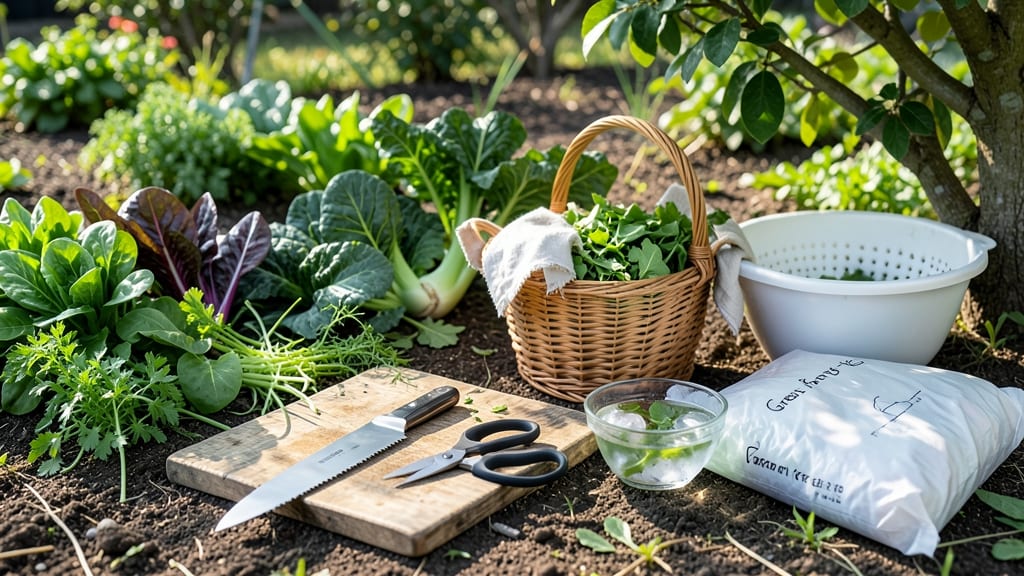
You can freeze leafy greens like spinach, kale, Swiss chard, and collard greens straight from the garden—just blanch them first to lock in texture and nutrients. Delicate greens like parsley or cilantro won't hold up well when frozen raw.
When it comes to preserving garden-fresh greens, these hardy leafy varieties are your best bet for freezing. 🌿 The blanching process—dipping greens in boiling water for a short time before shocking them in ice water—stops enzymes that cause texture breakdown and nutrient loss.
This method keeps the vibrant color and crispness you'd expect from fresh greens, even after months in the freezer. For instance, frozen kale stays just as nutrient-dense as its fresh counterpart when blanched properly, making it perfect for smoothies or sautéed dishes later.
What's interesting is how different greens respond to freezing. Swiss chard and collard greens, for example, hold up exceptionally well because their thick stems and broad leaves can withstand the freezing process without turning mushy.
Meanwhile, more delicate greens like arugula or baby spinach simply won't maintain their quality when frozen raw. I always recommend prepping your greens in small batches—whether using ice cube trays for individual servings or flat layers in freezer bags—to make them easy to grab for future recipes.
💡 In This Article
- Why Blanching Greens Before Freezing Preserves Freshness
- Step-by-Step Freezing Prep for Garden Greens
Why blanching greens before freezing preserves freshness
The blanching process works like a scientific pause button for your greens. When you dip leafy vegetables in boiling water for 30-60 seconds, you instantly deactivate enzymes called oxidases that would otherwise break down cell walls, causing that dreaded mushy texture.
This is why frozen spinach often feels softer than fresh—without blanching, those enzymes continue working even in the freezer, gradually destroying the plant's structure. 🔥
Blanching also preserves vibrant color by stabilizing chlorophyll molecules. Kale that's properly blanched maintains its deep green hue, while unblanched greens develop dull, olive tones from oxidation. The ice bath that follows—shocking in cold water for 1-2 minutes—stops the cooking process completely, locking in nutrients.
Studies show blanched greens retain up to 90% of their vitamin C compared to just 50-60% in unblanched frozen greens. The temperature contrast also helps prevent ice crystals from forming large clumps that would ruin texture.
Different greens have unique blanching needs based on their density. Swiss chard's thick stems require 1-2 minutes in boiling water, while delicate spinach leaves need only 30-45 seconds—overcooking turns them to mush.
The key is timing: once leaves turn bright green and wilt slightly, they're ready for the ice bath. This process creates a protective barrier that keeps greens crisp for months, making them perfect for stir-fries or soups where texture matters.
What most people don't realize is how blanching affects flavor retention too. The brief cooking process actually enhances certain compounds like glucosinolates in kale, which contribute to its peppery bite. Without blanching, these compounds degrade faster, making frozen greens taste flatter.
The science shows that properly blanched and frozen greens can maintain 70-80% of their original flavor profile after 6 months, while unblanched versions lose 30-40% of their taste within 3 months.
For visual learners, think of blanching as creating a microscopic "armor" around each cell. The heat briefly opens cell walls, allowing the ice bath to seal them with a protective layer of moisture.
This is why properly prepared frozen greens can look almost fresh when thawed—unlike the limp, waterlogged mess you get from improper freezing. The process also prevents freezer burn by reducing surface area exposed to air.
Here's a pro tip: If you're short on time, microwave blanching works too. Place greens on a plate with 1 tablespoon water per cup and microwave on high for 1-2 minutes until just wilted, then transfer to ice water.
This method preserves 95% of nutrients while being faster than stovetop blanching. 💫