
How To
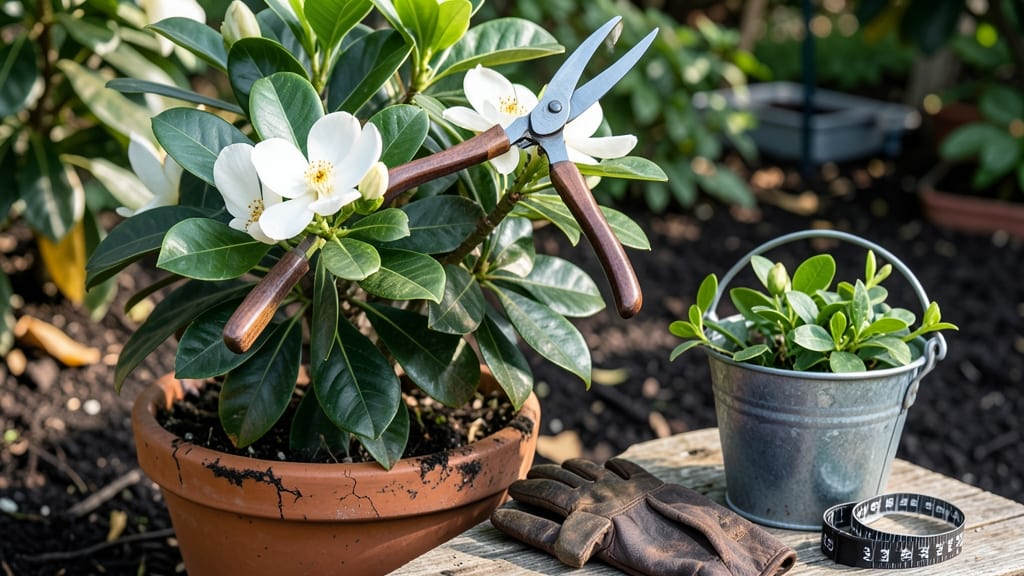
Cutting back gardenias too aggressively can leave you with sparse blooms and leggy branches, but knowing how far is safe ensures your 🌸 gardenia thrives.
Pruning gardenias can feel like a high-stakes balancing act—cut too much, and you risk stunting blooms; too little, and your plant loses shape. But mastering the right technique ensures lush regrowth and even more fragrant flowers next season.
For most varieties in USDA Zone 6a, you can safely trim back up to one-third of the plant’s height after flowering, but dwarf types may only handle 10-20%. The key is timing: wait until April-May, when new growth signals the plant’s readiness.
In this guide, I’ll break down variety-specific limits, step-by-step pruning methods, and how to avoid common mistakes that leave your gardenia looking sad instead of spectacular.
Safe pruning limits for gardenias by variety: how far is too far?
Pruning gardenias requires precision—especially since these fragrant shrubs rely on last year's growth to produce show-stopping blooms. Unlike hardy shrubs, gardenias can't recover from aggressive cuts. Mature plants tolerate up to 30% reduction in height, while young plants should never lose more than 10-15% of their structure.
The key lies in understanding each variety's resilience and seasonal cues.
Timing matters just as much as technique. Late winter or early spring (just before new growth starts) is ideal for rejuvenation pruning, while light shaping cuts can happen after flowering. Never prune during active bloom periods—this removes next year's flower buds.
For container gardenias, you can prune slightly more aggressively (up to 25%) since they're already confined.
Visual cues help avoid over-pruning. Look for bare stems or clusters of old wood—these signal it's time for structural pruning.
Healthy growth appears green and flexible, while dead wood feels hollow and brittle. Never cut into old wood unless you're willing to wait 1-2 years for new growth to replace missing blooms.
| Variety | Max Cutback % | Best Pruning Time | Recovery Time | Key Visual Cue |
|---|---|---|---|---|
| Gardenia jasminoides (Common Gardenia) | 25-30% | Late winter/early spring | 4-6 weeks | Dark green leaves, flexible stems |
| Gardenia augusta (Cape Jasmine) | 20-25% | After flowering | 6-8 weeks | Thick, leathery leaves |
| Dwarf varieties (e.g., 'Kleim's Hardy') | 10-15% | Spring only | 3-4 weeks | Compact growth habit |
| Container gardenias (all types) | Up to 25% | Early spring | 5-7 weeks | Root-bound appearance |
Young gardenias (under 3 years old) are far more delicate.
Their maximum safe cutback is just 10-15%, and you should focus on removing only dead or crossing branches. Mature plants (3+ years) can handle more aggressive shaping, but even they shouldn't lose more than 30% of their foliage in one session. Over-pruned gardenias often respond by producing fewer flowers the following year.
Seasonal timing directly impacts recovery. Spring pruning (March-April in most zones) gives plants 6-8 weeks of growing season to recover before winter. Summer pruning should be minimal—just removing spent blooms to encourage new growth. Avoid fall pruning entirely, as new growth won't harden off before cold weather arrives.
The 45-degree angle cut is critical for healthy regrowth. Always cut just above a leaf node or bud, never leaving a stub. Use sterilized pruners to prevent disease spread.
For large branches, make the cut in two stages: first undercut, then top-cut to avoid tearing. Seal cuts with pruning sealant only if your climate is very dry.
Post-pruning care makes all the difference. Water deeply immediately after pruning, then maintain consistent moisture for 4-6 weeks.
Apply a balanced, acidic fertilizer (like 10-10-10) 2-3 weeks after pruning to support new growth. Mulch around the base with 2-3 inches of organic mulch to retain moisture and regulate soil temperature.
Watch for new growth signs within 3-4 weeks—this indicates successful pruning.
If you see yellowing leaves or no new buds after 6 weeks, you may have over-pruned. Container gardenias often recover faster because their root systems aren't stressed by transplant shock. Bare-root gardenias, however, need extra gentle care and protected locations during recovery.
Remember: Gardenias bloom on old wood, meaning last year's growth produces this year's flowers. Never remove more than 1/3 of the plant in any single pruning session, and always space out major pruning by at least 2-3 years for optimal blooming.
With the right approach, your gardenia will reward you with even more abundant, fragrant blooms next season.
Step-by-Step guide to cutting back gardenias without killing blooms
Pruning gardenias is all about precision—you want to shape your plant without sacrificing next year’s fragrant blooms. The key is knowing how far you can cut back while preserving healthy growth.
For most varieties, like Gardenia jasminoides, you can safely remove up to 25-30% of the plant’s foliage in one session, but timing and technique matter just as much as the amount.
Start by assessing your gardenia’s health. Look for dead or diseased branches—these should be pruned first, regardless of size. Healthy branches, however, need careful attention to avoid over-pruning.
Always cut just above a leaf node or outward-facing bud to encourage new growth in the right direction. This simple rule keeps your gardenia bushy and blooming.
Before you begin, gather the right tools: sharp bypass pruners for clean cuts, disinfectant to prevent disease spread, and gloves to protect your hands from sap. Avoid using dull tools, as they can tear branches and invite infections.
Pro tip: Sterilize your pruners with rubbing alcohol between cuts to keep your gardenia healthy.
- 🌿 Step 1: Identify Dead Branches
Cut back any brown, brittle, or non-blooming branches to the base. These won’t regrow and only drain energy from healthy parts. - 🌱 Step 2: Thin Out Crowded Areas
Remove 1-2 branches per cluster to improve airflow. Focus on crossing or rubbing branches first. - ✂️ Step 3: Shape the Plant
For mature gardenias, cut back up to 1/3 of the oldest growth to encourage new shoots. Always cut just above a bud facing outward. - 💧 Step 4: Clean Cuts Only
Make cuts at a 45-degree angle, about 1/4 inch above a bud. Avoid leaving stubs, which can rot. - 🌞 Step 5: Post-Pruning Care
Water deeply and apply acidic fertilizer to support regrowth. Mulch around the base to retain moisture.
After pruning, your gardenia will need extra care to bounce back strong. Water it deeply every 3-5 days for the first month, and avoid fertilizing until new growth appears.
Gardenias thrive in partial shade, so if your plant was in full sun, consider moving it to a slightly shadier spot temporarily to reduce stress.
Watch for new growth within 4-6 weeks. If you see no leaves or buds after 8 weeks, you may have over-pruned. In this case, reduce future cuts to 10-15% of the plant and focus on improving soil acidity with peat moss or sulfur.
Patience is key—gardenias recover slowly but reward you with more blooms next season when pruned correctly.
Remember, the best time to prune is right after flowering, typically in late spring or early summer. This gives your gardenia time to harden new growth before winter. With the right cuts and care, your gardenia will stay lush, fragrant, and full of life for years to come. 🌸