
Planting
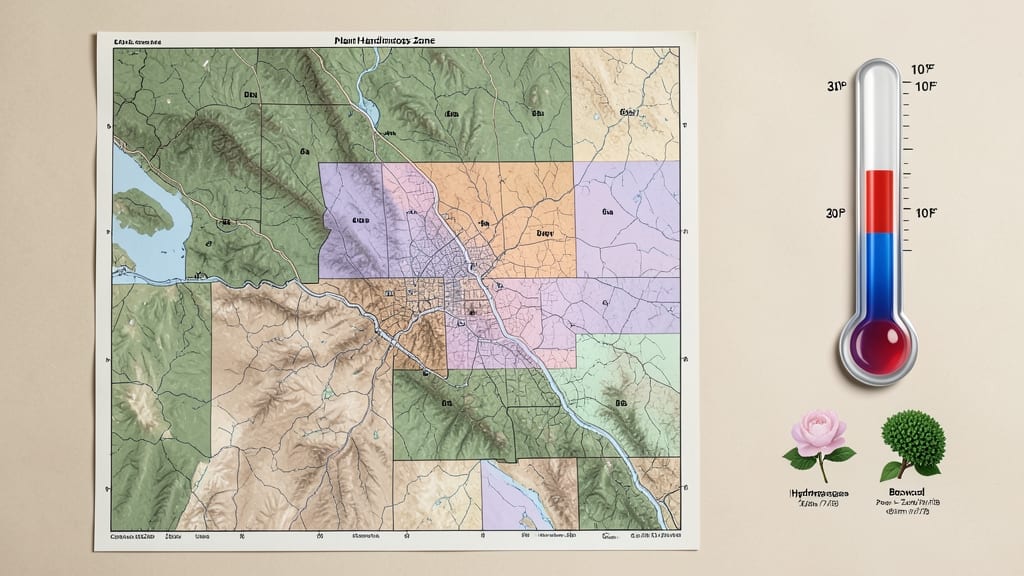
New Jersey's gardening zones range from USDA Zone 6 in the north to Zone 8 in the south, with Bergen and Morris counties in Zone 6a, central areas like Mercer and Middlesex in Zones 6b-7a, and southern regions including Cape May and Atlantic in Zones 7b-8a. Always verify your exact location on the USDA Plant Hardiness Zone Map before selecting plants.
New Jersey's diverse geography—from the cooler northern hills to the milder coastal plains—creates these distinct growing zones. 🌿 The northern counties experience colder winters and later spring thaw, making Zone 6a ideal for hardy perennials like coneflowers and peonies, while the southern coast's Zone 8a can support tropical plants like bougainvillea.
Even within counties, microclimates matter: urban areas may be 2-3°F warmer than rural spots, so always check your specific address on the USDA map.
This zone variation explains why planting dates shift dramatically across the state. In Zone 6a, wait until after Memorial Day to plant tender annuals, while Zone 8 gardeners can start tomatoes in early April.
The key is matching your plants to your zone's last frost average—typically late April for northern NJ and early March for the southern coast.
💡 In This Article
- How NJ’s Climate and Geography Shape Gardening Zones
- Best Plants for Each NJ Gardening Zone by County
How NJ’s climate and geography shape gardening zones
New Jersey’s gardening zones reflect its dramatic climate contrasts—from the frigid winters of the northern Highlands to the balmy coastal plains.
The state’s elevation changes play a huge role: the Kittatinny Mountains in the northwest push Zone 6a temperatures down to -10°F to 0°F in winter, while the Atlantic City area rarely dips below 15°F, qualifying for Zone 8a. This 15°F difference between north and south directly impacts which plants thrive, with Zone 6a needing cold-hardy species like Russian sage and Zone 8a supporting olive trees.
The coastal microclimates create another layer of complexity. Ocean breezes moderate temperatures along the shore, delaying first frosts by 2-3 weeks compared to inland areas. For example, Cape May averages its last spring frost on March 22, while Morris County typically sees frost until May 15.
This means gardeners in Ocean County can plant tropical hibiscus safely, while Bergen County residents must wait until late May for heat-loving tomatoes. The USDA zones account for these variations by using 30-year temperature averages, but local microclimates often require adjustments.
Elevation isn’t the only factor—urban heat islands also shift zones. Cities like Newark and Jersey City can be 2-5°F warmer than surrounding rural areas due to concrete and buildings trapping heat.
This means a backyard in Zone 6b Hudson County might actually behave more like Zone 7a for heat-sensitive plants. The USDA map’s 10°F increments smooth out these micro-variations, but savvy gardeners use local frost records from sources like the NJ State Climatologist’s Office for precise planting times.
What makes NJ’s zones particularly tricky is the variable winter severity. A Zone 6b garden in Hunterdon County might survive -5°F winters but suffer damage in -15°F years.
This is why plant hardiness labels (like the ones on nursery tags) are your best friend—look for "Zone 5-6" plants for northern NJ to account for occasional cold snaps. The USDA’s 10°F bands create broad categories, but real-world gardening requires this extra layer of caution.
Here’s how these zones translate to real growing seasons: In Zone 6a, the growing season spans just 160-180 days (April 15 to October 30), while Zone 8a enjoys 240-260 days (March 1 to November 15).
This 80-day difference means Zone 8 gardeners can grow year-round vegetables like kale and broccoli, while Zone 6 gardeners must rely on cold frames or greenhouses for winter harvests. The key takeaway? Your zone determines your calendar—and your plant choices.
For the most accurate planting advice, combine the USDA map with local frost data and your property’s specific conditions. A north-facing slope might be 1-2 zones colder than your official zone, while a south-facing wall could extend your growing season by 2-3 weeks.
Tools like the NJ Agricultural Experiment Station’s frost charts help bridge this gap between broad zones and your microclimate.