
Planting
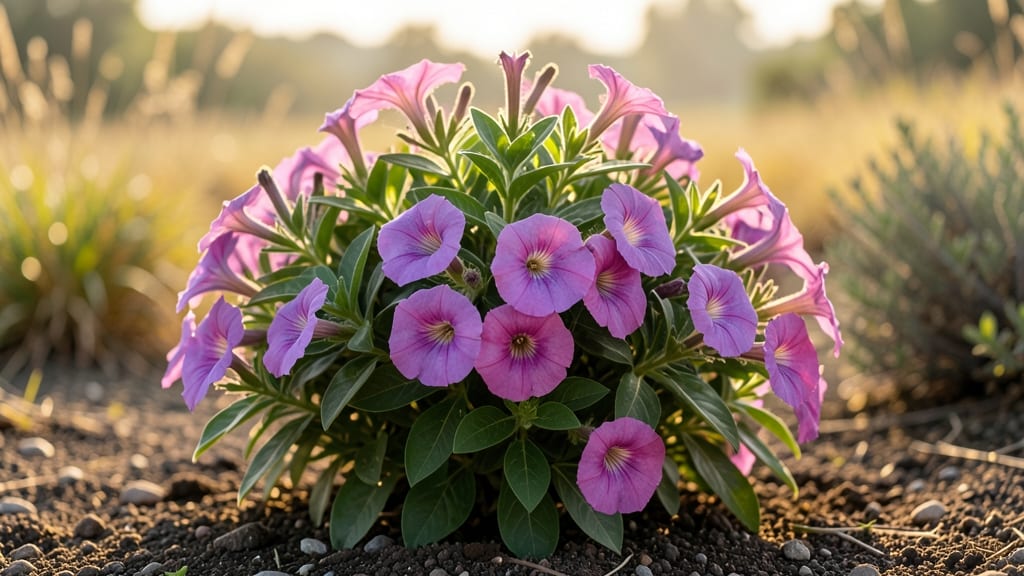
What gardening zone is Houston, TX in? It’s USDA Hardiness Zone 9a, where mild winters (20°F to 25°F) create ideal conditions for tropical and subtropical plants like citrus trees, bougainvillea, and hibiscus.
This classification means Houston gardeners can grow a wider variety of plants year-round compared to colder regions.
The warm climate supports evergreen shrubs, drought-tolerant succulents, and even some fruit trees that would freeze in northern zones. 🌿 However, summer heat and humidity require selecting plants that thrive in these conditions—like native Texas natives or heat-resistant varieties.
Microclimates within the city can also create slight variations in growing success, especially near water bodies or urban heat islands.
Understanding your specific zone helps determine planting times and frost sensitivity. For example, while Zone 9a allows for late fall plantings, some tender perennials still benefit from light frost protection during rare cold snaps. The key is matching plant hardiness ratings to Houston's climate patterns for the best results.
💡 In This Article
- How USDA Zone 9a Affects Houston’s Plant Selection
- Best Plants for Houston’s Zone 9a Gardens
How USDA Zone 9a affects Houston’s plant selection
Houston's classification as USDA Zone 9a fundamentally alters what plants thrive there. This zone's defining feature is its mild winter temperatures, which rarely dip below 20°F (-6.7°C). This warmth allows Houston gardeners to grow tropical and subtropical species that would perish in colder climates.
The absence of harsh freezes means plants like Mexican petunias and firebush remain evergreen year-round, while citrus trees produce fruit continuously rather than seasonally.
The extended growing season in Zone 9a—approximately 300 frost-free days annually—creates opportunities for multiple harvests of warm-season crops. Unlike northern zones where planting occurs in spring, Houston gardeners can direct-sow heat-loving plants like okra and eggplant as early as February.
However, summer's intense heat (often exceeding 95°F/35°C) demands shade-tolerant varieties and proper irrigation to prevent stress. The high humidity (average 70-80%) also means fungal diseases are more prevalent, requiring resistant plant selections.
Microclimates within Houston further complicate plant selection. Areas near the Buffalo Bayou experience cooler temperatures due to water's moderating effect, while urban heat islands in downtown can push temperatures 5-10°F higher than suburban areas.
This variation means gardeners should observe their specific location's conditions for 2-3 years before committing to large plantings. For example, palm trees may thrive near water but struggle in inland heat pockets.
Zone 9a's characteristics also influence soil management. The warm climate accelerates organic matter decomposition, requiring more frequent amendments (like compost every 3-4 months) to maintain fertility. Additionally, Houston's clay-heavy soils benefit from structural improvements like gypsum or sand amendments to prevent compaction during the city's frequent summer rains.
The combination of heat and humidity creates ideal conditions for beneficial microbes, but these require proper moisture balance to function effectively.
Understanding these climate interactions helps explain why some Zone 9a plants—like bougainvillea—require minimal winter care while others—such as camellias—need protection from occasional 15°F (-9.4°C) dips. The key is matching plant hardiness ratings to Houston's 10-year temperature averages, which may differ slightly from the USDA's generalized zone map.
For instance, the Houston Arboretum's microclimate data shows Zone 9b conditions (25-30°F) in some areas, allowing even more heat-tolerant species.
What this means practically is that Houston gardeners enjoy unparalleled diversity in plant selection but must account for both seasonal extremes (hot summers, mild winters) and local microclimates. The city's position near the Gulf Coast also brings occasional tropical storms, requiring plants with strong structural integrity.
This combination of factors makes Houston's gardening unique—challenging yet rewarding for those who understand the climate's nuances.