
Tools
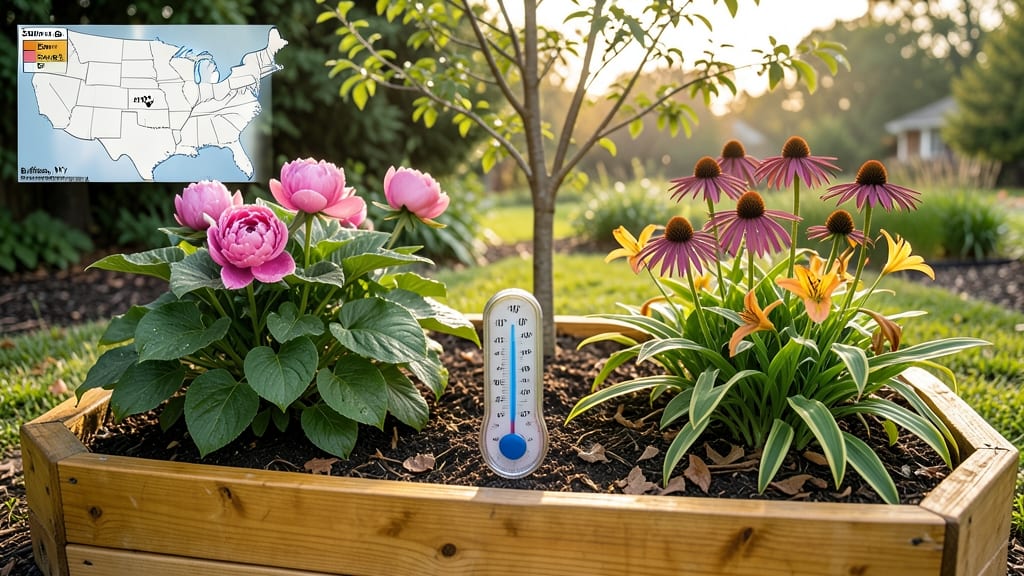
What garden zone is Buffalo, NY? It falls in USDA Hardiness Zones 6a and 6b, where average winter temperatures drop to -10°F to 0°F (-23°C to -18°C), creating ideal conditions for hardy plants like lilacs and spruce while requiring container solutions for tropical varieties.
Buffalo's zone classification matters because it dictates which plants can survive the region's harsh winters.
The 10°F difference between 6a and 6b means your backyard might experience slightly colder lows in some years, so I always err on the side of caution with borderline hardy plants. 🌿 For example, while hydrangeas thrive in both subzones, tender perennials like cannas need winter protection or container relocation.
The lake effect also creates microclimates—areas near Lake Erie may experience milder winters than inland spots, so local conditions can shift plant suitability by half a zone.
Understanding these nuances helps you plan your garden layout strategically. For instance, positioning heat-loving veggies near south-facing walls can extend their growing season by several weeks.
The key is matching plant hardiness ratings to your specific microclimate—Buffalo's zone 6 status is your starting point, but local variations often require additional adjustments.
💡 In This Article
- Understanding Buffalo’s USDA Zone 6 Climate and Plant Survival
- Best Plants for Buffalo’s Zone 6 Garden: A Seasonal Guide
Understanding Buffalo’s USDA Zone 6 climate and plant survival
Buffalo’s classification as USDA Zone 6a/6b stems from its average annual minimum temperatures, where Zone 6a experiences -10°F to -5°F (-23°C to -21°C) and Zone 6b ranges from -5°F to 0°F (-21°C to -18°C).
These temperatures create a challenging but rewarding environment for gardeners, as they determine which plants can survive winter dormancy without protection. The lake effect—where cold air masses pass over Lake Erie—often moderates temperatures near waterfront properties, potentially shifting microclimates by up to 2-3°F warmer than inland areas.
This phenomenon explains why some urban gardens near the lake might successfully grow marginally hardy plants like clematis 'Jackmanii' that struggle just a few blocks away.
The last spring frost in Buffalo typically occurs around April 20-30, while the first fall frost arrives between October 10-20, leaving a 160-180 day growing season for tender annuals.
Woody perennials like lilacs and peonies have evolved to handle these extremes, entering deep dormancy when temperatures drop below 32°F (0°C) and resuming growth once soil temperatures reach 45°F (7°C).
Annuals, however, require careful timing—planting tomatoes or basil too early risks frost damage, while delaying until after May 15 ensures safer establishment. The 10°F difference between subzones also means gardeners in Zone 6a should choose plants rated for Zone 5 (like Russian sage) for extra winter protection.
Microclimates play a critical role in plant survival. Urban heat islands—where pavement and buildings retain heat—can create pockets 5-10°F warmer than rural areas, allowing heat-loving plants like rosemary or lavender to thrive in containers.
Conversely, exposed gardens on hills or near open water may experience colder lows, requiring windbreaks or mulch to protect roots. The lake effect also brings occasional late-spring frosts, so gardeners should monitor forecasts and have row covers ready.
For example, hydrangeas planted in a sheltered microclimate might bloom earlier than those in a windy, open area, where flower buds could suffer damage from late frosts.
Winter survival strategies vary by plant type. Woody perennials like spruce trees and boxwood rely on their bark and root systems to insulate against cold, while tender perennials like canna lilies need winter mulch or container relocation.
Annuals like marigolds self-seed and resprout in spring, but vegetables such as tomatoes must be replanted each year after the last frost. The key is matching plant hardiness ratings to your specific location—Buffalo’s zone 6 status is a baseline, but local conditions often dictate whether a plant thrives or struggles.
For instance, black-eyed Susans (Zone 4-9) flourish in Buffalo’s open gardens, while elephant ears (Zone 7-11) require container growing or winter protection.
Understanding these climate nuances helps gardeners make informed choices. For example, daylilies (Zone 3-9) are a safe bet for Buffalo, while bougainvillea (Zone 9-11) needs winter indoor storage.
The lake effect and urban heat islands create opportunities for expanding plant choices beyond the standard zone guidelines, but they also introduce risks like unexpected late frosts.
By observing your garden’s microclimates and adjusting planting strategies accordingly, you can push the boundaries of what grows successfully in Buffalo’s challenging but rewarding climate. 🌟