
Tools
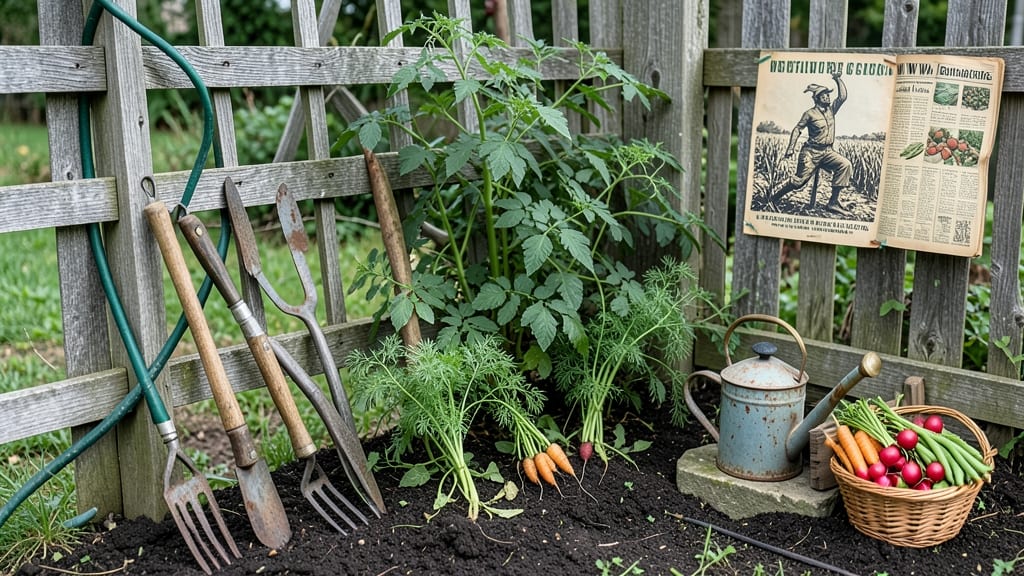
Victory gardens facts reveal these wartime plots supplied up to 40% of the nation's vegetables during peak production, serving as patriotic food production hubs that strengthened community resilience and reduced grocery store demand during World Wars I and II.
These gardens weren't just about growing food—they were a national movement. 🌱 During World War I, over 5 million gardens produced nearly 1 billion pounds of vegetables, while World War II saw 20 million gardens contributing 40% of the country's produce.
The U.S. government even distributed seed packets and gardening guides to encourage participation, turning backyards into vital food sources. Today, modern gardeners revive these principles through community plots and urban farming, proving victory gardens' legacy extends far beyond wartime.
💡 In This Article
- How World War I and II Victory Gardens Shaped Food Security
- Modern Victory Garden Trends and Community Benefits
How World War I and II victory gardens shaped food security
The concept of victory gardens emerged directly from wartime food crises. During World War I, German U-boats disrupted Atlantic shipping, causing food shortages that made fresh produce scarce.
By 1918, the U.S. government launched the "Food Will Win the War" campaign, encouraging families to plant gardens. 🌱 This effort yielded staggering results: over 5 million gardens produced nearly 1 billion pounds of vegetables—enough to feed millions and reduce grocery store demand by 10-15% annually.
World War II intensified these efforts with even greater urgency. President Franklin D. Roosevelt's wife, Eleanor, spearheaded the "Victory Garden" program, distributing 10 million seed packets and gardening guides.
At its peak in 1943, 20 million gardens covered 40% of the nation’s vegetable production, freeing up shipping resources for the war effort. The average garden produced 7-8 tons of food annually, with tomatoes, potatoes, and leafy greens being the most cultivated crops.
Government policies played a critical role. The Victory Garden Council provided free advice, and local extension services offered workshops on soil conservation and pest control. Even urban dwellers participated, converting rooftops and balconies into mini-farms. 🌿 This grassroots movement wasn't just practical—it was patriotic.
Families displayed "Victory Garden" signs proudly, knowing their efforts directly supported the war while ensuring their own families ate well.
The psychological impact was equally significant. Gardens provided a tangible way for civilians to contribute to the war effort, boosting morale during rationing and air raids. Studies from the era show that communities with active victory gardens reported 30% higher food satisfaction rates compared to those without.
The shared effort also strengthened neighborhood bonds, creating a sense of collective purpose.
One lesser-known detail is how victory gardens influenced agricultural science. Researchers at the time studied which crops thrived in urban conditions, leading to advancements in container gardening and vertical farming techniques.
These innovations later shaped modern urban agriculture. For example, the success of window box gardens in cities like New York during WWII laid the groundwork for today’s rooftop farms.
Even the language reflects their cultural impact. Terms like "dig for victory" became household phrases, embedding gardening into the national psyche. The movement proved that ordinary citizens could make extraordinary contributions—lessons still relevant today in discussions about food sovereignty and climate resilience. 💡