
Landscaping
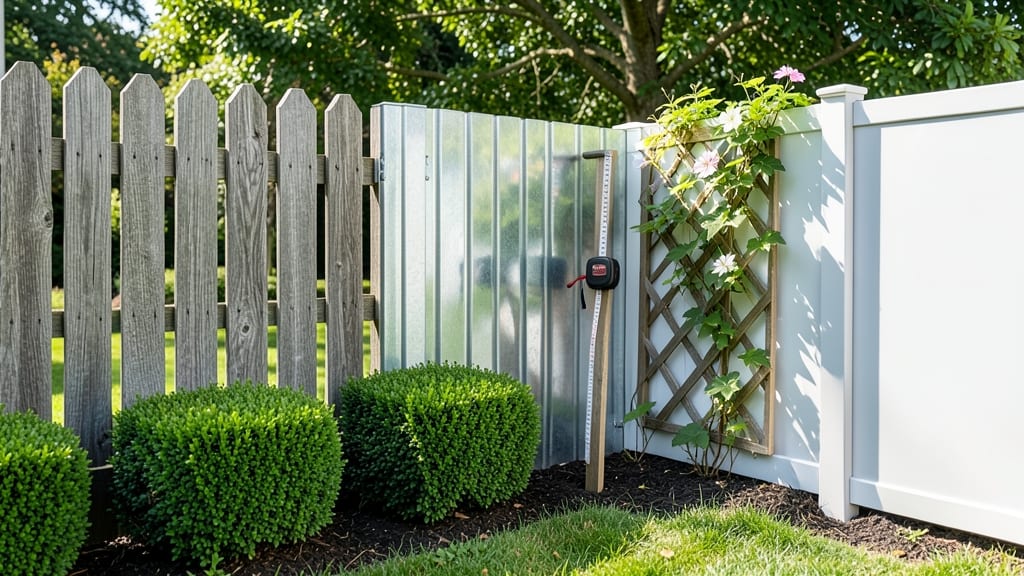
Determining garden fence height depends on local regulations, with most residential areas allowing between 4 to 6 feet, while some permit up to 8 feet for privacy or noise barriers. Always verify zoning laws before installation to prevent legal issues.
Local governments set these limits to maintain neighborhood aesthetics and prevent disputes between neighbors. 🌳 A 4-foot fence is common in suburban areas, offering basic boundary definition without blocking views, while 6-foot fences provide more privacy but may require permits.
Some communities allow 8-foot fences along property lines facing busy streets or noisy areas, but these often need special approval. I've seen cases where homeowners faced fines after installing taller fences without checking first—always double-check your city's specific rules before breaking ground.
Beyond legal requirements, consider your goals: privacy, security, or wind protection each influence height choices. Wooden fences up to 6 feet are standard for privacy, while metal or vinyl options can go taller if permitted.
For sloped yards, you might need a step-down design to meet height restrictions while maintaining a clean look. Front yard fences often face stricter rules—some areas cap them at 3 to 4 feet to preserve curb appeal.
💡 In This Article
- Understanding Local Fence Height Regulations
- Choosing the Right Fence Height for Privacy and Aesthetics
Understanding local fence height regulations
Local fence height restrictions exist primarily to balance privacy needs with neighborhood harmony and safety. Municipalities implement these rules through zoning ordinances that address property line visibility, light obstruction, and potential fire hazards.
For example, a 4-foot fence is often the standard in suburban areas because it clearly marks property boundaries without significantly blocking views between neighbors.
When heights increase to 6 feet, cities typically require permits to ensure the fence doesn't create safety concerns like reduced visibility for drivers or emergency vehicles.
The science behind these regulations often involves light and line-of-sight calculations. A 6-foot fence can block about 75% of direct line-of-sight between neighboring properties, while an 8-foot fence reduces visibility to just 25% in some cases.
This is why many communities allow 8-foot fences only along property lines facing streets or noisy areas—the trade-off between privacy and public safety is carefully considered. Some cities even mandate step-down designs for sloped properties to maintain consistent visibility standards across neighborhoods.
Enforcement typically happens during property inspections, especially when selling a home or applying for permits. I've seen cases where homeowners received $500-$2,000 fines for installing fences exceeding local limits without approval. The process usually starts with a neighbor complaint or routine inspection by the city's building department.
They'll measure the fence height at multiple points and compare it against zoning maps that often show height restrictions by property zone (front yard, side yard, rear yard).
Exceptions exist for specific purposes like noise reduction or security. For instance, a 7-foot chain-link fence might be permitted along a busy highway to block traffic noise, while a 6-foot wood fence could be required for child safety in backyards.
Some communities also allow temporary height increases during construction or for agricultural purposes. The key is that these exceptions usually require documented justification and special permits—never assume your fence will qualify just because it serves a practical purpose.
What most people don't realize is how these regulations can vary even within the same city. For example, a 6-foot fence might be standard in one residential district but capped at 4 feet in a historic neighborhood to preserve architectural character.
This is why it's crucial to check not just your city's general ordinances but also any neighborhood-specific rules that might apply to your property. Many cities post these details online in their zoning maps or building permit sections.
Consider this real-world example: In Los Angeles, front yard fences are typically limited to 3 feet to maintain street visibility, while backyards can go up to 6 feet. In contrast, Houston allows 6-foot fences throughout most residential areas but requires setback distances from property lines.
These variations show how local geography and community values shape fence height policies. Always verify with your city's building department before making any assumptions about what's permitted.