
Planting
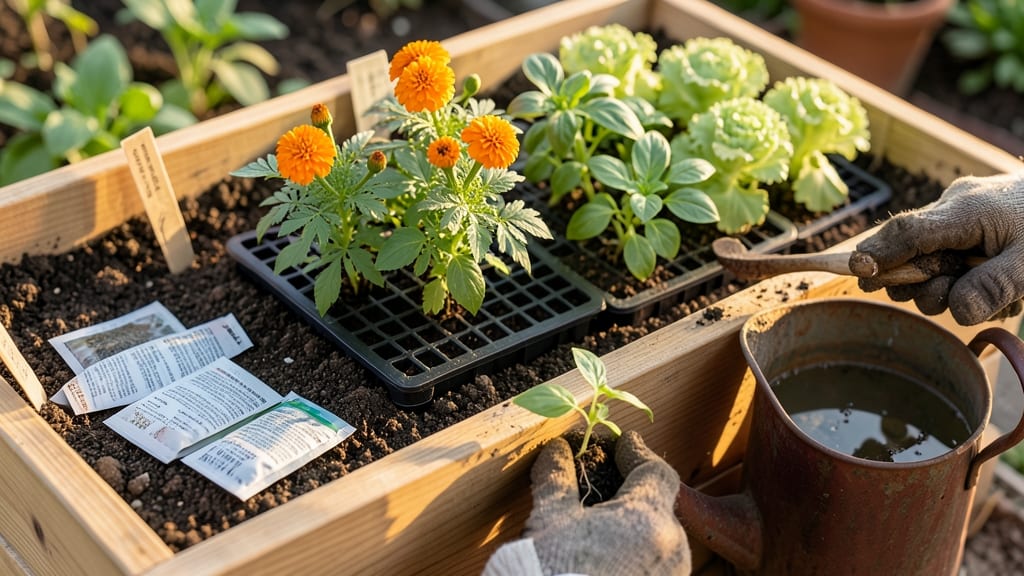
What does sow mean in gardening? It's planting seeds directly into soil or containers to cultivate new plants. This process includes both outdoor planting and indoor seed-starting, with techniques tailored to specific plant types and growing conditions.
Sowing is the foundational step in growing plants from seed, whether you're working with delicate herbs or hearty vegetables. 🌱 The term covers everything from scattering seeds in garden beds to carefully placing them in seed trays for indoor starts.
What sets sowing apart is how it initiates the entire growth cycle—proper timing, soil prep, and moisture levels all determine whether your seeds will sprout successfully. For example, leafy greens like lettuce often thrive with direct sowing outdoors, while tomatoes typically need an early indoor start before transplanting.
One key advantage of sowing is control over plant genetics—since you're starting from seed, you can choose heirloom varieties or specific traits. However, it requires patience and attention to detail, especially when dealing with delicate seedlings.
I've found that maintaining consistent moisture and providing adequate light (or shade) during germination makes all the difference in preventing common issues like damping-off disease.
💡 In This Article
- Seed Sowing Methods Explained: Direct vs Indoor Techniques
- Best Practices for Successful Seed Sowing in Gardens
Seed sowing methods explained: direct vs indoor techniques
Sowing seeds involves two primary approaches: direct sowing (planting seeds straight into garden beds) and indoor seed-starting (germinating seeds in controlled environments before transplanting). The method you choose depends on the plant's hardiness, climate, and your growing season length.
For example, cool-season crops like spinach or peas often thrive with direct sowing in early spring or fall, while warm-season plants such as tomatoes or peppers typically require an indoor head start to avoid frost damage.
The key difference lies in timing—direct sowing skips the transplanting step, but indoor starts give delicate seedlings a protective buffer against harsh outdoor conditions.
When sowing directly outdoors, the ideal soil temperature for germination often ranges between 60-75°F, depending on the seed type. For instance, beans and peas germinate best at the warmer end of this spectrum, while lettuce and carrots prefer cooler soil.
Depth matters too—small seeds like carrots should sit just 1/8 inch below the surface, while larger seeds like beans need 1-2 inches of coverage. The soil should be loose and well-draining to prevent seed rot, which is why gardeners often mix in compost or sand.
Indoor sowing, on the other hand, uses seed trays with sterile potting mix and bottom heat mats to maintain consistent 70-75°F temperatures, accelerating germination.
Light requirements also differ between methods. Direct-sown seeds rely on natural sunlight, which is why gardeners often use shade cloth to protect tender seedlings from intense midday rays. Indoor starts, however, need artificial grow lights (typically 12-16 hours/day) to prevent leggy, weak seedlings.
The science behind this involves photomorphogenesis—the plant's response to light that triggers stem elongation and chlorophyll production. Without proper light, seedlings stretch toward any available source, becoming vulnerable to breakage.
I've noticed that using full-spectrum LED grow lights at 6-12 inches above seedlings provides the best balance of energy efficiency and plant health.
Another critical factor is moisture management. Direct sowing requires frequent watering to keep the soil consistently damp but not waterlogged—overwatering can suffocate seeds by cutting off oxygen. Indoor sowing uses bottom-watering techniques (placing trays in shallow water) to encourage even moisture distribution without disturbing the seeds.
The germination process itself involves enzymes breaking down the seed's stored nutrients, which is why maintaining 70-80% humidity around seeds helps prevent moisture loss. A simple way to achieve this is by covering trays with plastic domes or clear lids until sprouts appear.
Consider these key differences when planning your sowing strategy:
- Direct Sowing: Best for hardy annuals and perennials (e.g., marigolds, sunflowers) or crops that dislike transplanting (e.g., beans, peas). Requires precise timing to align with last frost dates.
- Indoor Starting: Ideal for heat-loving plants (tomatoes, peppers) or those with long growing seasons (broccoli, cabbage). Allows for earlier harvests and better control over growing conditions.
- Hybrid Approach: Some gardeners use a combination—starting seeds indoors early, then hardening off seedlings before direct sowing outdoors. This extends the growing season for delicate plants.
The choice between methods also depends on your local climate. In colder regions, indoor starting is often essential to get a jump on the growing season, while warmer climates may allow for year-round direct sowing of suitable crops.
For example, in Zone 5, tomatoes might need 6-8 weeks of indoor growing before transplanting, whereas in Zone 10, they could be direct-sown after the last frost. Understanding these regional variations helps maximize your garden's potential. 🌱