
Tools
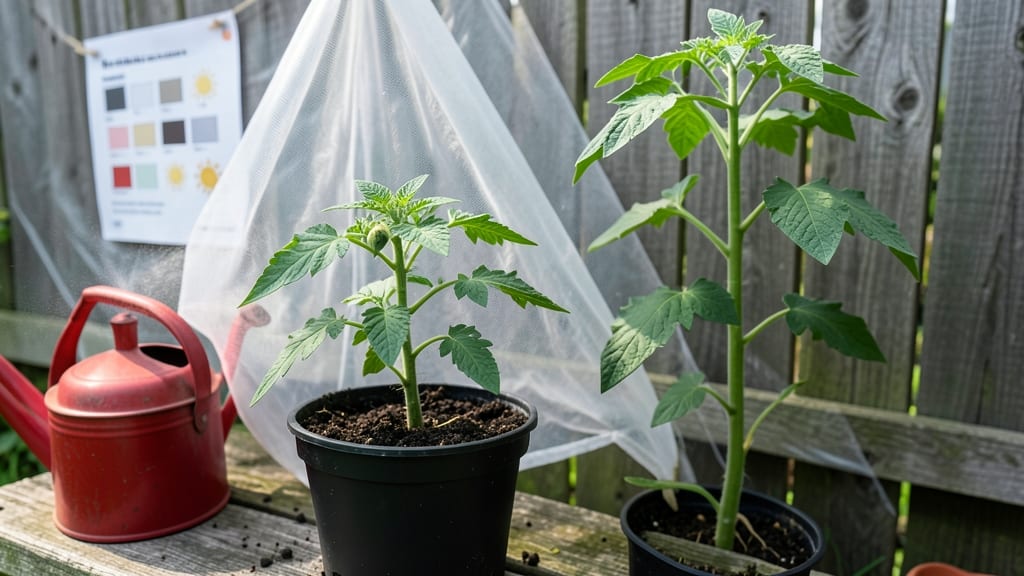
Harden off in gardening means gradually exposing young plants to outdoor conditions—like sunlight, wind, and temperature shifts—to strengthen them before transplanting. This process prevents shock and boosts survival rates by mimicking real-world stress over 7–14 days.
Harden off is essentially a training period for seedlings, preparing them for life outside the cozy confines of your home or greenhouse. 🌱 The key is slow adaptation—starting with just a few hours of sunlight and gradually increasing exposure while protecting them from harsh elements.
Think of it like a gym membership for plants: you wouldn't expect a beginner to lift heavy weights on day one, right? The same logic applies here. This method helps roots develop deeper and leaves toughen up, so they're ready to handle the real world without wilting or getting sunburned.
Most gardeners use a 7–14 day schedule, but the exact timing depends on your climate and the plant type. For example, tender herbs like basil might need only a week, while hardy vegetables like tomatoes often require two weeks of gradual exposure.
I always start by placing seedlings in a sheltered spot—like under a patio cover—before moving them to full sun. This step-by-step approach ensures they don't get overwhelmed by sudden changes in temperature or light intensity.
💡 In This Article
- Why Hardening Off Protects Young Plants
- Step-by-Step Hardening Off Schedule for Seedlings
Why hardening off protects young plants
When seedlings grow indoors under artificial lights or in a greenhouse, their cells develop in a controlled environment with consistent humidity and gentle light exposure. This creates soft, delicate leaves and shallow root systems that can't handle sudden outdoor stress.
Hardening off works by triggering two critical biological responses: photosynthesis adaptation and water regulation. Gradual sunlight exposure causes chloroplasts in leaves to produce more protective pigments (like carotenoids), which shield cells from intense UV rays that would otherwise cause sunburn.
The real magic happens at the cellular level. As seedlings experience mild temperature fluctuations (even just 5°F swings), their cell membranes strengthen by producing more unsaturated fats in their lipid bilayers.
These fats maintain fluidity in both hot and cold conditions, preventing damage. 🌿 For example, tomato seedlings hardened off properly can withstand 10°F cooler nights without wilting, whereas unhardened ones may collapse if temperatures drop below 55°F.
This resilience comes from the plant's ability to regulate water loss through stomata—tiny pores on leaves that close under stress when hardened off correctly.
What most gardeners overlook is how hardening off affects root development. When seedlings experience slight wind exposure (even just a gentle breeze), their roots grow deeper and more extensive in search of stability. This is why hardened-off plants establish faster after transplanting—their roots have already practiced anchoring in less-than-perfect conditions.
Without this preparation, roots remain shallow, leading to transplant shock, where plants wilt dramatically within 24-48 hours of moving outdoors.
Consider the difference between two basil plants: one hardened off for 7 days and another transplanted directly from indoors. The hardened plant will show darker green leaves (indicating efficient photosynthesis) and sturdier stems, while the unhardened one may develop yellowing leaves (chlorosis) from sun damage.
The hardening process also primes plants to handle soil temperature shifts—a critical factor since outdoor soil can be 15-20°F warmer than indoor pots during daytime.
Even the timing of watering changes. Hardened-off seedlings develop thicker cuticles (the plant's waxy outer layer), reducing water loss by up to 30% compared to unhardened plants. This means they can go slightly longer between waterings without wilting.
For instance, a tomato seedling might need water every 2 days indoors but can stretch to 3 days outdoors after proper hardening. 💧 The key is to water at the base in the early morning, allowing leaves to dry completely before evening—preventing fungal diseases that thrive in damp conditions.
One common mistake is rushing the process. Plants hardened off too quickly (like moving from indoor lights to full sun in 3 days) often show bleached or crispy leaf edges, a sign of severe stress.
The ideal rate is increasing exposure by 20-30% per day—for example, moving from 2 hours of sun to 3 hours the next day, then to 4 hours after that. This gradual slope mimics natural seasonal changes, giving plants time to adjust their internal clocks and metabolic processes.