
Container Gardens
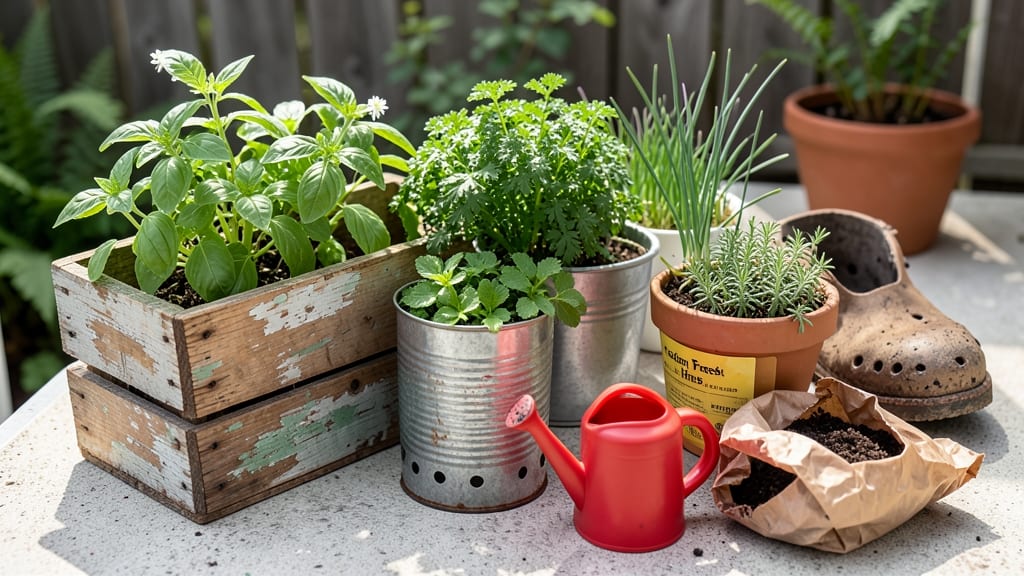
Inexpensive containers for gardening can be found by repurposing plastic bins, old buckets, and recycled materials like wooden crates or fabric grow bags, all of which can be sanitized and reused for herbs, veggies, or flowers without breaking the budget.
You don’t need to spend a fortune to create functional planters—many household items can transform into thriving garden spaces with minimal effort. 🌱 For example, plastic storage bins with drainage holes become perfect for root vegetables, while fabric grow bags offer excellent airflow for leafy greens.
The key is ensuring proper drainage and sterilization, whether you're using thrifted ceramic pots or upcycled wooden pallets. Even dollar stores often carry lightweight plastic containers that work well for seedlings or small herbs.
What’s great about these budget-friendly options is their versatility. A simple bucket can double as a self-watering planter with a few modifications, while old wooden crates add rustic charm to patio gardens. The only rule?
Always sanitize containers before use—soapy water or a bleach solution works wonders for removing bacteria. This approach not only saves money but also reduces waste by giving new life to items you already own.
💡 In This Article
- How to Repurpose Household Items as Gardening Planters
- Top 5 Thrift Store and DIY Gardening Container Ideas
How to repurpose household items as gardening planters
Household items make excellent gardening containers because they're designed to hold liquids, withstand moisture, and often have sturdy structures. Plastic storage bins, for example, are ideal for root vegetables like carrots or radishes because their walls are 6-12 inches deep, giving plants enough room to develop.
The key is modifying them for proper drainage—drill ¼-inch holes in the bottom and line them with landscape fabric to prevent soil from washing out while allowing excess water to escape.
The science behind this works because plants need both water and oxygen at their roots. Without drainage, water pools at the bottom, creating anaerobic conditions that suffocate roots and promote rot. Fabric grow bags, another great option, work because their porous material mimics natural soil aeration while preventing compaction.
For herbs like basil or parsley, even a clean yogurt container with holes can work—just ensure the diameter is at least 6 inches to accommodate root spread.
Sterilization is non-negotiable when repurposing containers. Most household items harbor bacteria or fungi from previous use. Soak plastic containers in a 10% bleach solution (1 part bleach to 9 parts water) for 10 minutes, then rinse thoroughly.
For wooden crates, scrub with hot soapy water and let them dry completely in the sun—UV light naturally disinfects surfaces. This step prevents diseases like damping-off in seedlings, which can kill young plants within days.
Size matters more than you might think. Containers that are too small restrict root growth, leading to stunted plants. A general rule: 5-gallon containers work for small herbs, 10-gallon for leafy greens like lettuce, and 20+ gallons for tomatoes or peppers.
Buckets with 12-inch diameters are perfect for single plants like basil or chives, while long plastic troughs (like those used for baking) can accommodate row crops like radishes or green onions.
Don't overlook texture and material properties. Smooth plastic bins retain moisture longer than rough surfaces, which is great for drought-tolerant plants like rosemary. Wooden crates, however, dry out faster but provide better insulation for roots during temperature swings.
The choice depends on your climate and the plants you're growing—just remember, the right container can extend your growing season by keeping roots at optimal 60-75°F temperatures.
One often-overlooked modification is adding a wicking system. For self-watering setups, place a ½-inch layer of gravel at the bottom, then insert a wick (like a length of rope) that connects to a reservoir below.
This passive system keeps soil consistently moist without overwatering, perfect for busy gardeners or those with erratic watering schedules.
Here's what's actually happening when you repurpose containers: you're creating a controlled micro-environment where plants can thrive despite limited space. The right modifications—drainage, sterilization, and proper sizing—mimic natural growing conditions while working within your budget.
With a little creativity, that old bucket in your garage could soon be growing fresh herbs for your kitchen!