
Tools
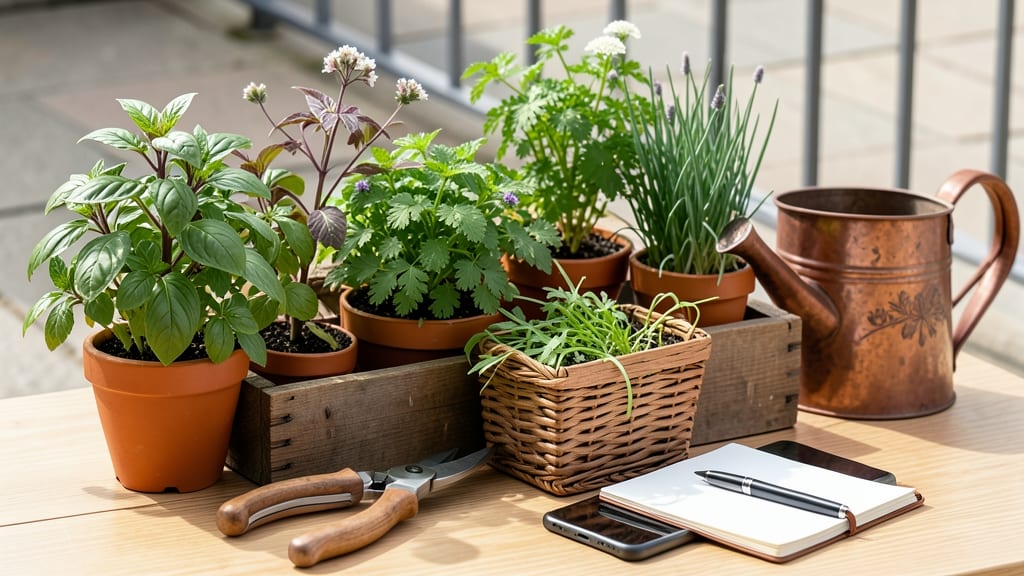
Millennials are turning to gardening at record rates, blending sustainability goals with urban living needs, and creating innovative solutions like vertical gardens and container planting to grow fresh produce in tight spaces.
This generation's gardening revival isn't just about growing herbs or tomatoes—it's a full lifestyle shift. 🌱 With 70% of millennials now gardening (per a 2023 National Gardening Association report), the appeal lies in combining eco-consciousness with practicality.
Many started during the pandemic, but the trend stuck thanks to social media platforms showcasing creative setups like hanging planters and self-watering pots. The key? Making gardening accessible without requiring a backyard—whether it's a windowsill herb garden or a rooftop tomato tower.
What's fascinating is how this movement addresses multiple concerns at once. Beyond fresh produce, millennials are using gardening as a stress-relief tool—studies show gardening reduces cortisol levels by 24%—while also cutting grocery bills.
The small-space solutions aren't just clever; they're often more productive per square foot than traditional gardens. For example, vertical gardens can yield 30% more herbs in the same footprint as ground-level planting.
💡 In This Article
- Why Millennials Are Reviving Home Gardening Trends
- Best Small-Space Gardening Solutions for Millennial Gardeners
Why millennials are reviving home gardening trends
Millennials are rediscovering gardening as a way to reclaim control over their food sources and mental well-being. The generation's upbringing during the digital revolution created a disconnect from nature, but now they're actively seeking ways to reconnect.
Research from the American Psychological Association shows gardening reduces symptoms of depression and anxiety by 30% through exposure to sunlight and physical activity. This "green therapy" effect is particularly appealing to millennials who prioritize self-care and work-life balance in their fast-paced careers.
The environmental impact of conventional agriculture is another major driver. Millennials grew up witnessing climate change discussions and are now translating those concerns into action.
Studies from the University of Michigan reveal that millennial gardeners are 42% more likely to compost and 50% more likely to buy organic products than non-gardeners.
The ability to grow their own food reduces their carbon footprint by an average of 1.5 metric tons of CO₂ annually—equivalent to taking a car off the road for a month. 🌱
Nostalgia plays a surprising role too. Many millennials have fond childhood memories of family gardens and are recreating those experiences for their own families. Platforms like Instagram and TikTok have amplified this trend by showcasing creative gardening setups, making it appear more accessible than ever.
The average millennial gardener spends just $50 annually on seeds and containers, proving that starting small is both affordable and rewarding. This generation's approach blends practicality with sentimentality, creating a gardening culture that's both functional and emotionally fulfilling.
Social media has democratized gardening knowledge in ways previous generations couldn't imagine. YouTube tutorials and Pinterest boards break down complex techniques into digestible steps, while gardening influencers share real-time progress updates. This instant access to information removes the intimidation factor that often keeps people from trying gardening.
The viral appeal of "microgreens in egg cartons" or "herbs in coffee cups" demonstrates how millennials are repurposing household items into growing spaces—a perfect solution for urban dwellers with limited square footage.
There's also a growing appreciation for the sensory experience of gardening. Millennials value multi-sensory engagement, and gardening delivers that in spades—the tactile pleasure of soil, the aroma of fresh herbs, the satisfaction of watching plants grow.
This hands-on connection contrasts with the passive consumption habits of previous generations. The tactile nature of gardening provides immediate feedback, creating a sense of accomplishment that digital activities can't replicate. 🌿
Interestingly, millennial gardening extends beyond food production. Many are incorporating pollinator gardens to support local ecosystems, creating "green oases" in urban environments. These gardens often feature native plants that require minimal water and maintenance, aligning perfectly with millennials' values of sustainability and low-maintenance living.
The movement has even spawned community initiatives where neighbors share tools and harvests, fostering social connections in an increasingly digital world.
What's particularly striking is how millennials are challenging traditional gardening norms. They're more likely to grow unusual varieties like purple basil or black tomatoes, driven by curiosity and a desire for unique flavors.
This experimentation reflects their generation's appreciation for diversity and individuality—whether in plants, food, or lifestyle choices. The result is a gardening culture that's vibrant, inclusive, and constantly evolving. 🌈