
Pests
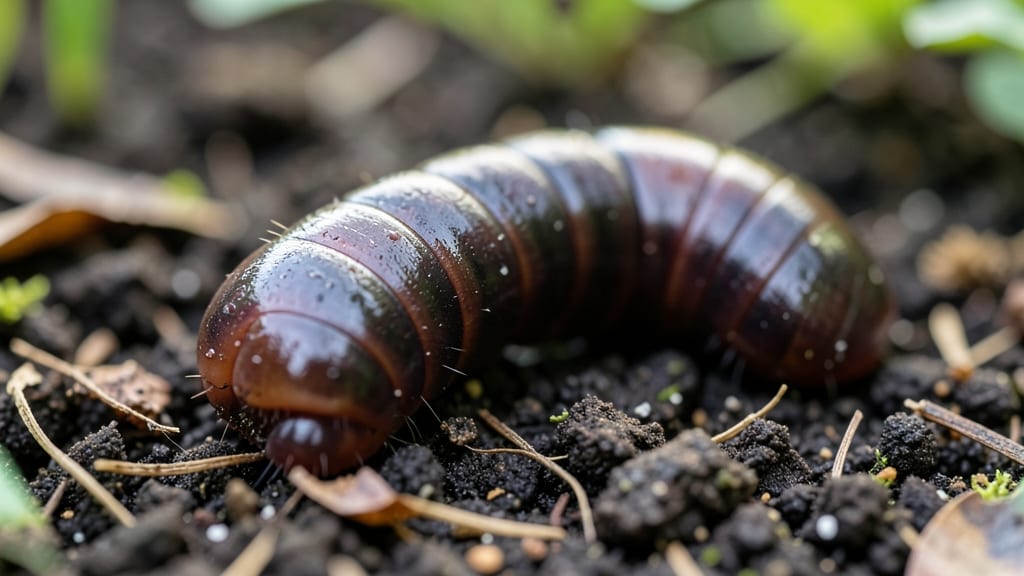
Garden worms eat decomposed organic matter like leaf litter, grass clippings, and rotting plant material, along with soil microbes and fungi. They prefer nitrogen-rich foods such as vegetable scraps and coffee grounds but avoid acidic or chemically treated substances.
Garden worms, also known as earthworms or compost worms, are nature's recyclers. 🌱 Their diet primarily consists of decaying plant matter, which they break down through their digestive systems, converting it into nutrient-rich castings. This process not only enriches the soil but also helps plants grow healthier.
For instance, worms love munching on fruit and vegetable peels, coffee grounds, and even crushed eggshells—all of which provide essential nutrients. However, they steer clear of citrus fruits, meat, dairy, and anything treated with chemicals, as these can harm their delicate digestive systems.
Understanding what garden worms eat helps you create an ideal composting environment. A balanced mix of "greens" (nitrogen-rich materials like vegetable scraps) and "browns" (carbon-rich materials like dried leaves) keeps worms thriving.
This balance ensures they have the energy to process waste efficiently, turning it into valuable compost for your garden. 🌿
💡 In This Article
- The Science Behind Worm Digestion in Different Soil Types
- Best Organic Foods to Feed Garden Worms for Composting
The science behind worm digestion in different soil types
Garden worms possess a highly specialized digestive system designed to process organic matter with remarkable efficiency. Their gizzard—a muscular organ lined with tiny, sand-like particles called grit—grinds food into a fine paste, breaking down cellulose (the tough structural component of plants) that most animals can't digest.
This process releases nutrients like nitrogen, phosphorus, and potassium, which worms then absorb and repurpose into nutrient-rich castings. In clay-heavy soils, worms consume more organic material to compensate for the lower porosity, while in sandy soils, they focus on moisture retention by incorporating finer particles into their burrows. 🔥
The gut microbiome of earthworms plays a crucial role in their digestion. These microscopic organisms produce enzymes like cellulase and amylase, which break down complex carbohydrates and starches into simpler sugars.
For example, a single worm can process up to half its body weight in food daily, converting it into castings that improve soil structure by increasing aeration and water-holding capacity.
In clay soils, worms create vertical burrows that enhance drainage, while in sandy soils, their horizontal tunnels help retain moisture and prevent erosion. This adaptability makes them indispensable for soil health across different environments.
Worms also consume soil microbes and fungi as part of their diet, which further enriches the soil. These microorganisms help break down organic matter even more efficiently, creating a symbiotic relationship.
For instance, in a 1 square meter of garden soil, you might find up to 1 million worms, each processing 50-100 pounds of organic material annually. This activity not only recycles nutrients but also suppresses harmful pathogens by outcompeting them for resources.
The result is a more fertile, disease-resistant soil that supports robust plant growth. 🌱
Soil type significantly influences what worms eat and how efficiently they process it. In clay soils, worms rely more on surface organic matter like leaf litter because the dense structure limits their burrowing depth.
Conversely, in sandy soils, they dig deeper to access moisture and organic debris buried below the surface. This adaptability ensures worms can thrive in nearly any garden environment, provided they have access to the right food sources.
Understanding these differences helps gardeners tailor their composting efforts to maximize worm activity and soil enrichment.
One often-overlooked aspect is how worms select their food. They use chemoreceptors to detect nitrogen-rich materials, which signal high nutritional value. For example, worms are drawn to coffee grounds and vegetable scraps because these contain high levels of nitrogen, a key component for their growth and reproduction.
However, they avoid acidic or chemically treated substances, as these can disrupt their gut microbiome and digestive processes. This selectivity ensures they only consume what benefits their health and, consequently, the soil ecosystem. 💫
The end result of worm digestion is a nutrient-dense casting that acts as a natural fertilizer. These castings contain up to 5 times the nutrients of the original organic matter, making them one of the most effective soil amendments available.
By understanding how worms digest food in different soil types, gardeners can create optimal conditions for their compost bins or garden beds, ensuring worms have the right environment to thrive and contribute to a healthier, more productive garden. ✨