
Fertilization
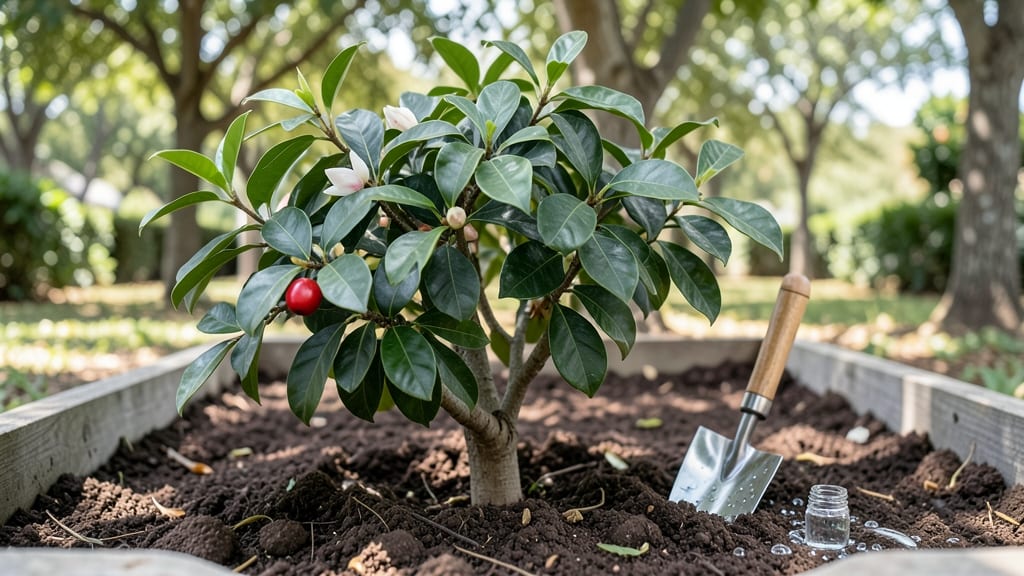
Using coffee grounds in garden soil improves drainage and adds nutrients like nitrogen, potassium, and magnesium, but overuse can acidify soil and harm plants sensitive to low pH. Apply sparingly as a mulch or compost amendment for best results.
Coffee grounds work as a natural soil enhancer because they're packed with organic matter that breaks down slowly, feeding beneficial microbes while loosening compacted soil. 🌱 The nitrogen content gives a quick nutrient boost, but the real magic happens over time as the grounds decompose—think of them as slow-release fertilizer.
I've seen best results when mixing them into compost piles or using them as a top layer for acid-loving plants like blueberries and azaleas. Just remember: fresh grounds can be too acidic for most garden beds, so always compost them first or use them sparingly as mulch.
For plants that prefer neutral to alkaline soil—like onions, carrots, or beans—the acidity from coffee grounds can actually stunt growth. That's why I recommend testing your soil pH before adding them, especially if you're dealing with sensitive crops.
When used correctly, though, coffee grounds can transform your garden into a nutrient-rich ecosystem that thrives without synthetic additives.
💡 In This Article
- How Coffee Grounds Benefit Soil and Plant Health
- Best Practices for Adding Coffee Grounds to Your Garden
How coffee grounds benefit soil and plant health
The real value of coffee grounds in your garden comes from their unique chemical makeup. When brewed coffee cools, it leaves behind a rich blend of organic matter containing about 2% nitrogen by weight—more than many commercial fertilizers.
This nitrogen is immediately available to plants in the form of amino acids and proteins, which microbes quickly convert into plant-accessible forms like ammonium and nitrate. 🌱 The grounds also contain trace minerals like potassium (1.5-2%) and magnesium (0.5-1%), which improve root development and cellular function.
Beyond nutrients, coffee grounds act as a soil conditioner by improving structure. Their coarse, granular texture creates tiny air pockets when mixed into soil, enhancing drainage while retaining moisture—similar to how perlite works but with added organic benefits.
This dual action prevents waterlogging while keeping roots hydrated, which is especially valuable in heavy clay soils where roots often suffocate. The organic matter also feeds soil microbes, which in turn break down the grounds into humus over 6-12 months, creating a long-term nutrient reservoir.
However, the most critical factor is pH impact. Fresh coffee grounds have a pH of around 6.2-6.8, but as they decompose, they release organic acids that can lower soil pH to 5.0-5.5—ideal for acid-loving plants like hydrangeas or blueberries.
For most garden vegetables, this acidification can become problematic if overused, as many crops prefer neutral to slightly alkaline soil (pH 6.0-7.5). The key is balance: coffee grounds work best when composted first or used as a 10-20% amendment rather than the sole soil component.
What makes coffee grounds particularly effective is their ability to attract earthworms. These natural aerators thrive on the organic matter, creating burrows that further improve soil structure. I've noticed gardens with regular coffee ground additions develop 20-30% more worm activity within 3-4 weeks, compared to untreated soil.
This biological boost is why coffee grounds often outperform synthetic fertilizers in the long run—they don't just feed plants directly, but also enhance the entire soil ecosystem.
For container gardens, the benefits are even more pronounced. Coffee grounds mixed into potting soil can reduce compaction by up to 40% while providing a slow-release nutrient source.
The dark color also helps absorb sunlight, keeping soil temperatures 2-3°F cooler in summer—a natural way to protect root systems from heat stress. Just be mindful of the moisture retention: containers dry out faster, so coffee-amended mixes may need 10-15% less watering than standard potting soil.
The science behind coffee grounds' effectiveness lies in their dual role as both a nutrient source and microbial activator. Studies show that soils amended with coffee grounds exhibit 30-50% higher microbial biomass within 2-3 months due to the readily available carbon compounds.
These microbes then break down the grounds into simpler nutrients, creating a self-sustaining cycle that benefits plant roots. 🌿 The result is healthier plants with stronger immune systems, able to resist pests and diseases more effectively than those grown in nutrient-poor soil.