
Vegetables
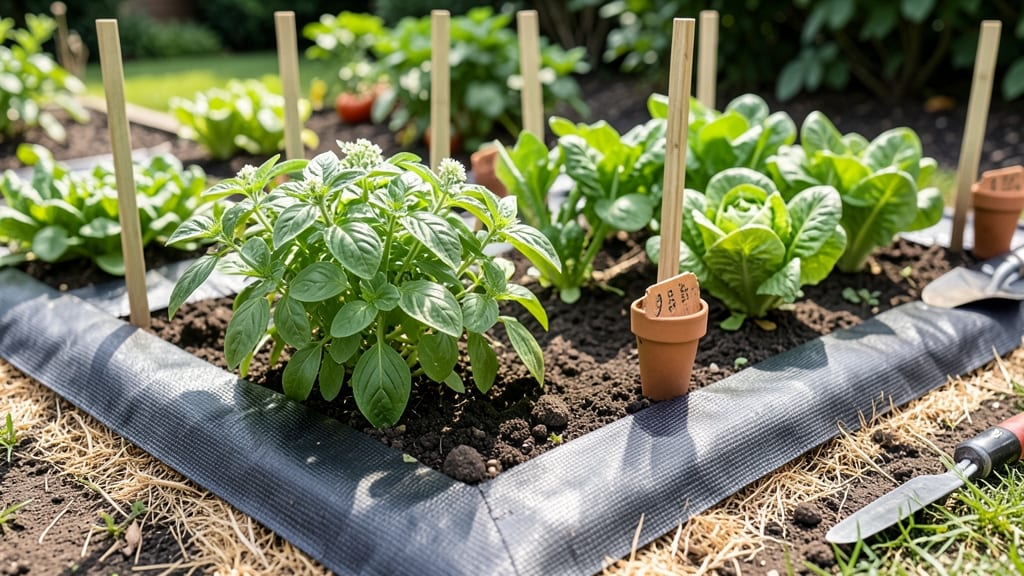
A weed guard for gardens is the secret weapon you’ve been missing to reclaim your soil from weeds without chemicals or endless pulling.
Picture this: you’re knee-deep in mulch, only to find weeds sprouting faster than your tomatoes. That’s where a 3-layer system changes the game—blocking weeds at the root while keeping your plants happy and healthy.
This isn’t just about saving time; it’s about better soil, fewer pests, and a garden that actually stays tidy. Whether you’re growing veggies, flowers, or just tired of battling weeds in your pathways, the right materials and setup make all the difference.
Below, I’ll walk you through the best fabrics, DIY hacks, and pro tips to install a weed guard that lasts—so you can spend less time weeding and more time enjoying your garden.
How a 3-Layer weed guard system works to eliminate weeds naturally
A 3-layer weed guard system isn't just about blocking weeds—it's a strategic approach that protects your plants while improving soil health. This method combines a physical barrier, organic mulch, and living ground cover to create an impenetrable defense against unwanted plants.
Each layer plays a unique role, working together to suppress weeds without chemicals or excessive effort.
The beauty of this system lies in its synergy. The physical barrier blocks light and space for weeds to germinate, while the organic mulch retains moisture and adds nutrients.
The living ground cover adds a final layer of competition, starving weeds of resources. Together, they create a low-maintenance ecosystem that keeps your garden thriving.
Let's break down how each layer contributes to weed control and plant growth:
| Layer | Purpose | Materials | Benefits |
|---|---|---|---|
| Physical Barrier | Blocks light and space for weed seeds | Cardboard, landscape fabric, or thick plastic | Prevents germination, reduces soil erosion |
| Organic Mulch | Retains moisture, adds nutrients | Straw, wood chips, or shredded leaves | Improves soil structure, suppresses weeds |
| Living Ground Cover | Competes with weeds for resources | Clover, creeping thyme, or microclover | Fixes nitrogen, prevents soil compaction |
The physical barrier is the first line of defense. Materials like cardboard or landscape fabric create a barrier that blocks sunlight, preventing weed seeds from germinating. This layer should be placed directly on the soil, covering the entire area where weeds are a problem.
For best results, use thick, undyed cardboard or heavy-duty landscape fabric to ensure durability.
Next, the organic mulch layer adds a protective cushion. Materials like straw, wood chips, or shredded leaves retain moisture, regulate soil temperature, and slowly decompose to enrich the soil. This layer also provides a physical barrier against weeds trying to push through the first layer.
For vegetable gardens, straw mulch is ideal because it breaks down quickly, adding organic matter to the soil.
The final layer is the living ground cover, which adds a dynamic element to the system. Plants like clover or creeping thyme compete with weeds for nutrients and space while improving soil health.
Unlike static mulches, living ground covers fix nitrogen in the soil, reducing the need for fertilizers. They also prevent soil compaction and encourage beneficial insects.
One of the biggest advantages of this system is its positive impact on soil health. Unlike synthetic weed barriers that can degrade soil quality over time, organic mulch and living ground covers enrich the soil as they break down.
This creates a sustainable cycle where your garden becomes healthier with each growing season, while weeds are naturally suppressed.
This system also reduces watering needs because the organic mulch retains moisture near the roots of your plants. Instead of water evaporating quickly, it seeps slowly into the soil, keeping your plants hydrated for longer.
This is especially beneficial in dry climates or during hot summer months when water conservation is key.
For vegetable gardens, the 3-layer system is a game-changer. Weeds like crabgrass and chickweed can quickly overtake a bed, competing with your crops for water and nutrients. By implementing this system, you’ll see fewer weeds and healthier plants with less effort.
It’s perfect for tomatoes, peppers, and leafy greens, which are particularly vulnerable to weed competition.
To maximize effectiveness, combine these layers strategically. Start with the physical barrier to block weeds immediately, then add organic mulch to retain moisture and improve soil. Finally, plant a living ground cover around the edges or between rows to create a natural weed-suppressing border.
Over time, you’ll notice a significant reduction in weeds while your plants thrive in richer soil.
Whether you're a beginner gardener or a seasoned pro, this system is easy to implement and adapt. Start small with a single bed to see the results firsthand, then expand as you gain confidence. With a little planning, your garden can become a weed-free sanctuary that’s both beautiful and productive.
Best materials for DIY weed guards: cost-effective vs. premium options
Choosing the right weed guard material depends on your budget, garden type, and how long you want it to last. Some options are cheap and quick to set up, while others offer long-term durability and even improve soil health.
Let’s break down the best choices for your DIY weed guard, from cardboard and straw to living mulches like clover.
For budget-friendly solutions, materials like cardboard or newspaper are my go-to because they’re free or nearly free and decompose naturally. However, they won’t last as long as landscape fabric or pine needles, which are more durable but cost a bit more upfront.
Then there are living mulches, which are the premium option—they suppress weeds and feed your soil.
Below, I’ve compared the pros and cons of each material, including cost, durability, and how easy they are to install. Pick the one that fits your garden’s needs and your wallet!
Material
Pros
Cons
Cost
- Free or cheap
- Biodegradable
- Easy to cut
- Breaks down fast
- Can attract pests
- Not reusable
- Long-lasting (2-5 years)
- Blocks most weeds
- Reusable
- Can trap heat
- Harder to install
- May reduce water drainage
- Natural and biodegradable
- Improves soil over time
- Great for pathways
- Can blow away
- Attracts rodents
- Short lifespan (1 year)
- Acidic, great for acid-loving plants
- Slow to decompose
- Free if sourced locally
- Can mat down over time
- Limited weed suppression
- Hard to spread evenly
- Suppresses weeds naturally
- Improves soil health
- Long-term solution
- Requires maintenance
- Slower to establish
- May need mowing
If you’re on a tight budget, cardboard or straw are my top picks for quick, temporary solutions. For long-term durability, landscape fabric is hard to beat, while living mulches like clover or creeping thyme are the gold standard for organic gardeners.
Just remember: the best weed guard is the one you’ll actually use and maintain!
Pro tip: Combine materials for a 3-layer system. Start with cardboard to block weeds, add straw for mulch, and top with pine needles or living mulch. This combo keeps weeds out and improves soil over time.
Which material will you try first? Share your favorite weed guard hack in the comments—I’d love to hear what works for your garden! 🌱