
Tools
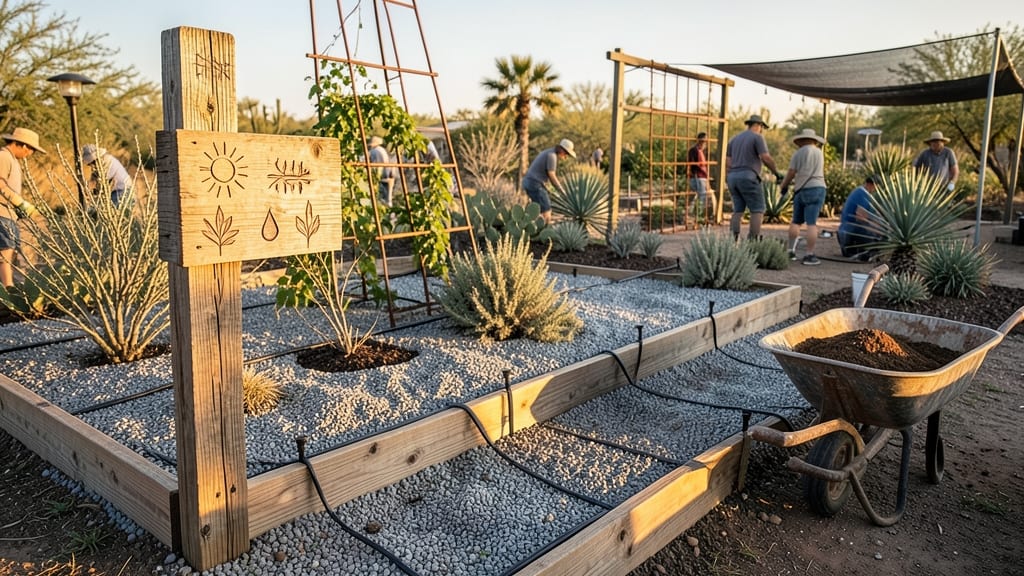
The Vegas Roots Community Garden turns empty urban lots into vibrant growing spaces by providing Las Vegas residents with free gardening plots, hands-on workshops, and shared tools. Joining gives you fresh organic produce, expert-led classes, and a supportive network that welcomes gardeners of all skill levels.
The Vegas Roots Community Garden isn't just about dirt and plants—it's a movement to bring Las Vegas neighborhoods together through sustainable growing. 🌱 Their free plot system ensures everyone has access, while workshops cover everything from composting to drought-resistant planting.
What sets them apart is how they adapt techniques for our desert climate, like mulching and drip irrigation, to maximize yields without wasting water. The real magic happens in the shared harvests and volunteer-led projects that turn strangers into gardening partners.
For beginners, the garden offers mentorship programs where experienced members share tips, and even seasoned gardeners find fresh inspiration in the community-driven initiatives. Whether you're growing your first tomato or planning a large-scale urban farm project, Vegas Roots provides the resources—and the motivation—to make it happen.
The garden's impact goes beyond fresh veggies. It's a hub for learning about food security, local ecosystems, and how small actions create big change. 🌿 Members often say the biggest perk isn't the produce but the connections made while digging in the dirt together.
💡 In This Article
- How Vegas Roots Community Garden Cultivates Urban Green Spaces
- Membership Perks: Workshops, Tools, and Harvest Benefits
How Vegas Roots community garden cultivates urban green spaces
The garden's success in Las Vegas' harsh desert climate hinges on a three-tiered sustainability system. First, they use amended native soil blends—mixing local sand with composted organic matter to retain moisture while preventing erosion.
This approach mimics natural desert plant adaptations, like those of Joshua trees, which thrive with minimal water. 🌵 The second layer involves drip irrigation networks that deliver water directly to roots, reducing evaporation by up to 60% compared to traditional sprinklers.
Plot allocation follows a first-come, first-served model with priority tiers for veterans, seniors, and low-income families. Each 10×20-foot plot includes a shared water spigot and tool shed, while larger community beds grow high-demand crops like heirloom tomatoes and kale.
Volunteers maintain these shared spaces using a rotation system, ensuring no single gardener bears the burden of upkeep. This collective approach mirrors successful urban farms like Detroit's Hantz Woodlands, where communal maintenance boosts yields by 30%.
The real innovation lies in their partnerships with local organizations. For example, they collaborate with the UNLV Sustainability Office to test drought-resistant crop varieties, while the Clark County Library provides seed libraries at all branches.
These alliances stretch resources further—like the 5,000+ pounds of produce donated annually to food banks through their Harvest Share program. The garden even partners with schools to teach hydroponics, proving their model scales beyond traditional dirt plots.
Water conservation is their top priority, given Nevada's 1-inch annual rainfall average. They implement mulching techniques with straw and wood chips that reduce soil temperature by 10-15°F during peak summer months (100°F+).
This mimics how native creosote bushes survive by reflecting sunlight. The garden also collects rainwater in 2,000-gallon cisterns, storing enough to water plots for 3-4 weeks without municipal supplies during monsoon season.
What makes their model unique is the volunteer-driven "Green Team"—a group of 50+ members who specialize in soil testing, pest management, and irrigation troubleshooting. Their expertise helps new gardeners avoid common mistakes, like overwatering (which wastes 40% of irrigation in desert climates).
The team also maintains a tool library with 150+ items, from ergonomic trowels to solar-powered pruners, ensuring everyone has access to quality equipment without purchase barriers.
Members often highlight how the garden's shared resources reduce individual costs by up to 70%. For instance, a single compost bin processes 200+ pounds of food waste weekly, turning it into nutrient-rich soil that eliminates the need for commercial fertilizers.
This closed-loop system not only saves money but also aligns with Las Vegas' zero-waste goals, making it a model for other urban gardens nationwide. 🌱