
Fertilization
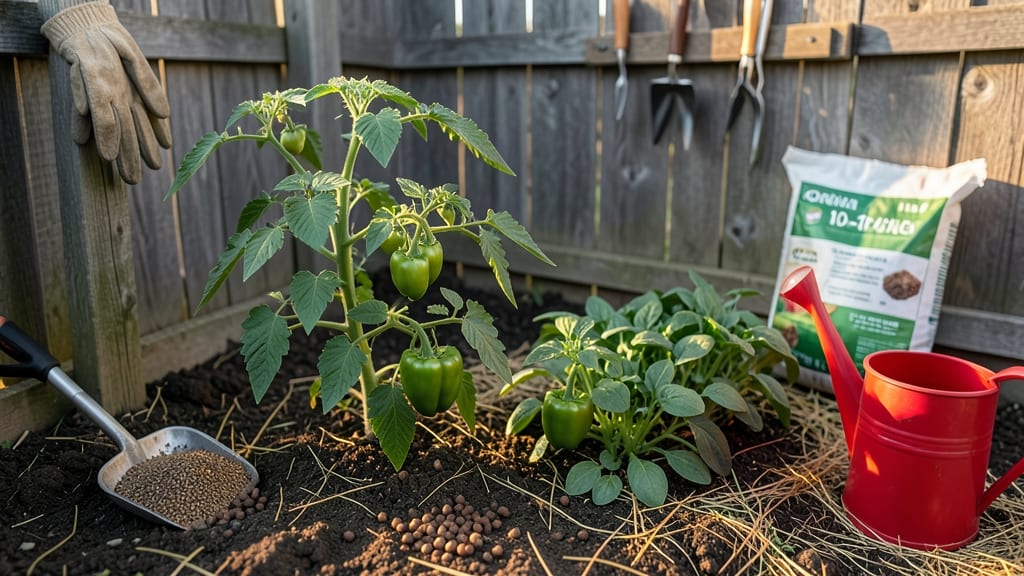
Fertilizing your garden too often or too little can mean the difference between vibrant blooms and struggling plants 🌱—so knowing the right schedule keeps everything thriving.
Over-fertilizing your garden can burn plants and waste money, while under-fertilizing leaves them struggling for nutrients—but getting the timing right is the secret to lush growth and bountiful harvests.
Most gardeners focus on planting and watering, but the fertilizer schedule is just as critical. A balanced approach in spring and summer, with strategic pauses in fall and winter, ensures your General Garden Plants get exactly what they need without overloading the soil.
Below, I break down the perfect feeding plan for vegetables, flowers, and lawns—plus how to spot when your plants are begging for nutrients (or when you’re giving them too much).

Seasonal fertilizing schedule by plant type: when to feed for maximum growth
Fertilizing your garden isn't a one-size-fits-all task—it's a seasonal science that varies by plant type, soil health, and even weather patterns. For example, vegetables like tomatoes thrive with weekly feedings during fruiting, while perennial flowers like lavender prefer minimal spring feeding to avoid leggy growth.
The key is understanding your garden's unique needs and adjusting your schedule accordingly.
Soil type plays a huge role in fertilization timing. Sandy soil drains nutrients quickly, requiring frequent light feedings, while clay soil holds nutrients longer, allowing for less frequent but heavier applications.
Even organic vs. synthetic fertilizers change the game—organic options like compost release nutrients slowly, while synthetics provide an immediate boost but can burn plants if overused.
| Plant Type | Best Fertilizer Type | Spring Feeding | Summer Feeding | Fall Feeding | Winter Feeding | Soil Adjustment Tip |
|---|---|---|---|---|---|---|
| Vegetables (tomatoes, peppers, lettuce) | Balanced (10-10-10) or high-nitrogen (for leafy greens) | Every 2 weeks after transplanting | Weekly during fruiting (reduce nitrogen) | Light feeding for overwintering greens | None | Add compost annually for organic matter |
| Flowers (roses, marigolds, petunias) | Low-nitrogen (5-10-10) or bloom booster | Once at planting, then every 4 weeks | Every 3-4 weeks (skip if wilting) | None (except for perennials with compost) | None | Test pH—most flowers prefer 6.0-7.0 |
| Fruit Trees/Bushes (apples, berries, citrus) | Slow-release organic (e.g., alfalfa pellets) | Early spring (before buds swell) | Mid-summer (if new growth appears) | Fall (for root development) | None | Mulch heavily to retain moisture |
| Lawns (cool-season vs. warm-season grasses) | Slow-release granular or organic (e.g., bone meal) | Early spring + late spring (cool-season) | Early summer (warm-season) | Early fall (cool-season boost) | None | Aerate compacted soil annually |
| Herbs (basil, rosemary, thyme) | Low-nitrogen (5-5-5) or fish emulsion | Once at planting | Every 6-8 weeks (lightly) | None (most go dormant) | None | Use well-draining soil to prevent root rot |
Timing your fertilizations to avoid extreme heat or heavy rains is crucial. For instance, I always feed my tomatoes in the early morning after watering to prevent root burn. Similarly, fall fertilizing should stop by late August in most climates to allow plants to harden off before winter.
This rule applies whether you're using organic compost or synthetic granules.
For organic gardeners, I recommend compost tea every 2-3 weeks during the growing season as a gentle nutrient boost. It's especially effective for container gardens where nutrients leach out quickly.
Pair this with a worm casting top-dressing in spring for a slow-release powerhouse. The key is consistency over intensity—organic matter builds soil health over time.
If you're using synthetic fertilizers, follow the NPK ratio instructions precisely. For example, a 10-10-10 fertilizer provides equal parts nitrogen, phosphorus, and potassium, but vegetables often need more phosphorus (10-20-10) during fruiting. Always water thoroughly after applying synthetics to prevent salt buildup in the root zone.
Don't forget to adjust for soil type. In my sandy soil garden, I fertilize 2 weeks earlier than my neighbor's clay soil because nutrients wash away faster. A simple soil test ($20 at garden centers) reveals your nutrient deficiencies and helps tailor your schedule.
For example, if your test shows low potassium, focus on banana peel tea or greensand applications in late summer.
One common mistake is fertilizing new seedlings—they're not ready for extra nutrients. Instead, wait until they've developed 2-3 true leaves and focus on watering and sunlight.
Similarly, overwintering perennials like hostas only need one light feeding in early spring to kickstart growth without encouraging tender new shoots that might freeze in late frosts.
For container gardens, I fertilize every 3-4 weeks during the growing season because nutrients deplete faster in pots. Use a water-soluble fertilizer diluted to half-strength to avoid chemical burns.
Mulch with coco coir or straw to slow moisture loss and reduce feeding frequency by 25%. This is especially important for herbs like basil, which bolt quickly when stressed.
Remember, the goal isn't just growth—it's sustainable health. Over-fertilizing leads to weak, disease-prone plants,
Signs your garden needs fertilizer (and when to skip it)
Your plants might be whispering for help—literally! Yellowing leaves, stunted growth, or slow blooming are classic signs your garden is hungry for nutrients.
But before you reach for that fertilizer bag, ask yourself: Is it truly a nutrient deficiency, or could something else—like overwatering or poor drainage—be the culprit? Learning to read these signals will save you time, money, and stressed-out plants.
First, check the soil health. Compacted or waterlogged soil can starve roots, mimicking nutrient deficiencies.
A simple soil test kit (available at garden centers for under $20) reveals pH levels and nutrient deficiencies. Organic alternatives like compost tea or worm castings can gently replenish nutrients without the risk of burning plants. These options are perfect for beginners or those with sensitive plants.
🌱
🌱 How Often Should You Fertilize Your Garden?
Spring: Feed every 4-6 weeks to kickstart growth. Use a balanced fertilizer (10-10-10 NPK) for vegetables and phosphorus-rich (5-10-10) for flowers.
Summer: Light feed every 6-8 weeks to maintain growth. Avoid high-nitrogen fertilizers, which promote leafy growth over fruit/flower production.
Fall: Skip fertilization 6-8 weeks before first frost. Let plants focus on storing energy for dormancy.
Winter: Never fertilize dormant plants. Cold soil can’t process nutrients, leading to root burn.
Pro Tip: Always water before and after applying fertilizer to prevent root burn.
Watch for specific deficiency signs. Yellow lower leaves often signal nitrogen deficiency, while purple stems or slow growth may indicate phosphorus shortage. Magnesium deficiency causes yellow patches between leaf veins—this is common in tomatoes and peppers.
If you spot these, a targeted organic boost (like Epsom salt for magnesium) can work wonders without overloading the soil.
But here’s the catch: Over-fertilizing is just as harmful as under-fertilizing. Brown leaf tips, crispy edges, or white crusts on soil mean you’ve overdone it. If this happens, flush the soil with water and hold off on fertilizing for 4-6 weeks.
Your plants will thank you with healthier roots and fewer nutrient burns.
For organic gardeners, compost tea is a game-changer.
Brew it by steeping compost in water for 24-48 hours, then strain and apply as a foliar spray or soil drench. Worm castings (worm poop!) are another powerhouse—mix 1 cup per 10 sq ft into the top 6 inches of soil in spring.
These methods build soil health gradually, reducing the risk of imbalances.
Remember: Healthy soil = happy plants. If your garden’s soil is rich and well-aerated, you might only need to fertilize once or twice a season.
Always start with a soil test and adjust based on what your plants are telling you. Your green thumb will improve with every season! 🌿