
Fertilization
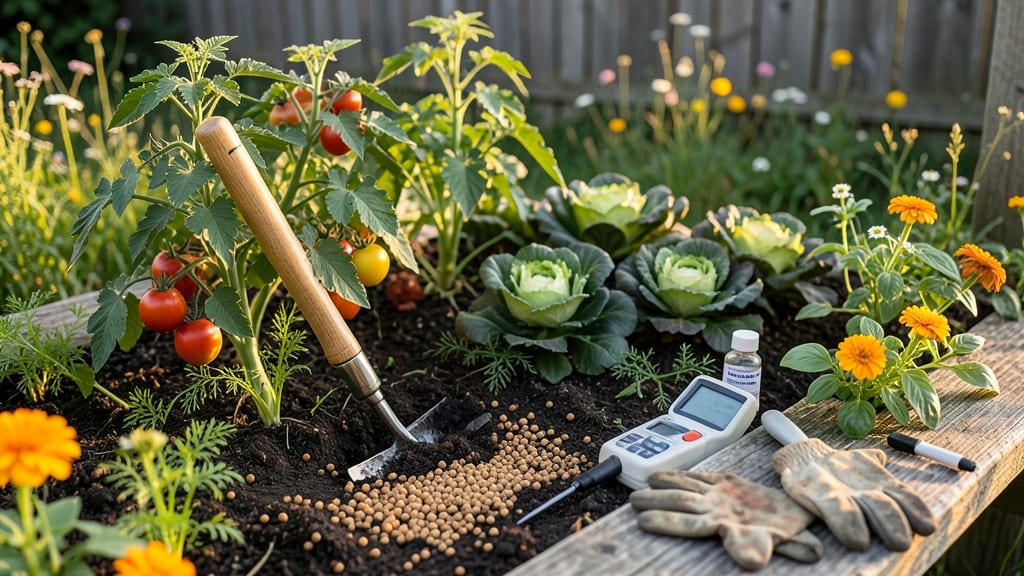
Fertilizing your garden at the right time is the difference between lush, thriving plants and struggling ones that never quite reach their potential.
Timing your garden fertilization isn't just about throwing nutrients at the soil—it’s about syncing with plant growth cycles to maximize yields and plant health. Get the schedule wrong, and you risk burning roots or wasting money on fertilizer that won’t stick around when plants need it most.
In Zone 6a, where cool springs and warm summers shape your growing season, the best times to fertilize are early spring for new growth, mid-summer for flowering plants, and late summer for root development.
But even the best schedule can go wrong if you don’t account for soil type, plant needs, or unexpected weather.
Below, I’ll walk you through the seasonal triggers for fertilizing your 🌱 garden, how to spot when your plants are actually craving nutrients, and the simple adjustments that keep your soil healthy without overdoing it.

Seasonal fertilization schedule for different plant types
Fertilizing your garden at the right time is like giving your plants a perfectly timed meal—they thrive when nutrients align with their natural growth phases. Cool-season plants like lettuce and broccoli need feeding in early spring and fall, while warm-season plants like tomatoes and peppers crave nutrients during their peak summer growth.
Even perennials and lawns have distinct windows where fertilization makes the most impact. Ignore these timelines, and you might end up with nutrient overload or wasted fertilizer that leaches away before plants can use it.
I’ve broken down the best fertilization windows by plant type, so you can sync your feeding schedule with their growth cycles. For example, annuals like marigolds need a boost when they’re establishing roots, while vegetables like cucumbers benefit from mid-season feeding to support heavy fruiting.
Lawns, on the other hand, respond best to a slow-release approach in early spring and late summer. Let’s dive into the specifics so you can fertilize like a pro.
🌱 Pro Tip: Always water your plants 24 hours before and after applying fertilizer to prevent root burn and help nutrients penetrate the soil.
| Plant Type | Best Fertilization Time | Fertilizer Type | Frequency | Notes |
|---|---|---|---|---|
| Annuals (Flowers) | Early Spring (March) & Mid-Summer (July) | Balanced (10-10-10) or Blooming Formula | Every 4-6 weeks | Avoid high nitrogen; focus on phosphorus for blooms. |
| Vegetables (Cool-Season) | Early Spring (March-April) & Fall (September) | High Nitrogen (5-10-10) or Compost | Every 3-4 weeks | Leafy greens need nitrogen; root veggies need phosphorus. |
| Vegetables (Warm-Season) | Late Spring (May) & Mid-Summer (July-August) | Balanced (10-10-10) or Fruit/Vegetable Formula | Every 4-6 weeks | Tomatoes and peppers need potassium for fruit production. |
| Perennials | Early Spring (March) & Late Summer (August) | Slow-Release Granular or Organic Matter | Once in spring, once in summer | Focus on root health; avoid over-fertilizing in fall. |
| Lawns | Early Spring (March) & Late Summer (August-September) | Slow-Release Nitrogen (e.g., 30-0-4) | Every 6-8 weeks | Avoid fall fertilization in cold climates; grass goes dormant. |
For cool-season vegetables, like spinach or kale, the key is to fertilize in early spring when they’re establishing roots and again in fall to bolster their energy reserves for winter. These plants are already stressed by cooler temperatures, so a high-nitrogen fertilizer (like 5-10-10) helps them produce lush foliage.
I’ve seen spinach bolt prematurely when over-fertilized with phosphorus, so always follow the label and adjust based on your soil’s current nutrients.
Warm-season plants, such as tomatoes, peppers, and cucumbers, are the opposite—they need a balanced or potassium-rich fertilizer during their peak growing months of late spring through summer. These plants are heavy feeders, especially when they’re producing fruit. I recommend side-dressing with compost or a slow-release granular fertilizer every 4-6 weeks to keep up with their demands. If you notice your tomatoes developing blossom end rot, it’s a sign they need more calcium and potassium.
Perennials, like daylilies or hostas, are a bit more forgiving,
5 Key signs your garden needs fertilizer (and when to act)
Your garden speaks to you through its leaves, stems, and overall vigor—and sometimes, it’s screaming for nutrients. Yellowing foliage or stunted growth aren’t always signs of poor soil, but they’re often the first clues that your plants are starving for essential nutrients.
Ignoring these signals can lead to weaker harvests or even plant death, but acting too soon with fertilizer can burn roots or disrupt the soil microbiome.
Before reaching for that bag of granular fertilizer, learn to read your garden’s nutrient deficiency symptoms. A soil test can confirm suspicions, but even without one, you can spot common issues like nitrogen deficiency (pale yellow leaves) or potassium deficiency (weak stems and brown leaf edges).
Timing matters too—fertilizing at the wrong stage can waste resources or harm plants.
🌱 When to Act: 5 Clear Signs Your Garden Needs Fertilizer
-
1. Yellowing Leaves (Chlorosis)
Pale or yellow leaves (especially older ones) signal nitrogen deficiency. Act by applying a balanced fertilizer (like 10-10-10) or compost tea in early spring for leafy greens. -
2. Stunted or Slow Growth
Plants growing slower than usual or staying small may lack phosphorus or nitrogen. Feed with a high-phosphorus fertilizer (e.g., 5-10-10) when seedlings emerge or before flowering. -
3. Weak Stems or Purple Undersides
Purple-tinged leaves or floppy stems often mean phosphorus or potassium deficiency. Apply a bone meal or potash fertilizer in late spring or early summer for fruiting plants. -
4. Poor Flowering or Fruit Set
Few blooms or small fruits? Your plants may need potassium or phosphorus. Use a bloom-boosting fertilizer (like 5-10-10) when flowers appear, typically mid-summer. -
5. Soil Test Results Show Low Nutrients
If your soil pH is off or nutrients like nitrogen or magnesium are low, act immediately. Amend soil in early spring or fall with compost or organic fertilizer.
⏰ Best Time to Act: Spring (for new growth), summer (for flowering), or fall (for root development).
Not all yellow leaves mean nutrient deficiency—overwatering or pests can cause similar symptoms. Rule out other issues first: Check for aphids on undersides of leaves or fungal spots before fertilizing. If the problem persists after addressing pests or watering, it’s time to feed your plants.
Post-harvest is another critical time to fertilize. After heavy harvesting (like tomatoes or peppers), soil nutrients deplete quickly. Replenish with a light fertilizer or compost 2-3 weeks after harvest to support recovery. For perennials, a fall application of compost builds roots for next year’s growth.
Remember: Timing is everything. Fertilizing dormant plants in winter wastes nutrients, while feeding stressed plants (like those recovering from drought) can shock them. Always water thoroughly before and after applying fertilizer to prevent root burn.